Varieties tag
Bourbon, Pache, Caturra, Catimor
1 page on this site carry this tag — reviews, profiles, answers and stories. Tags are derived from our documented data, never invented.
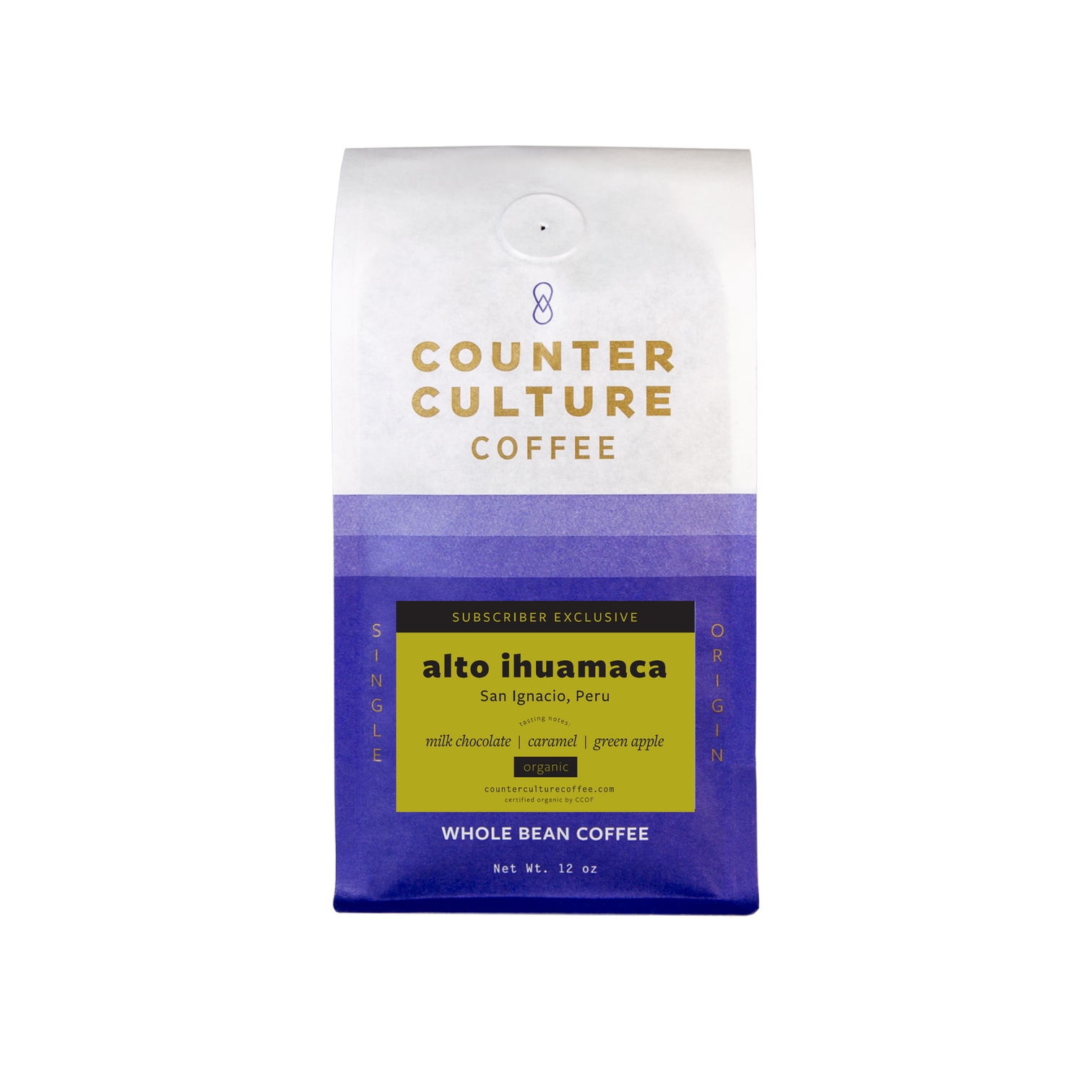
Nearby tagsArabicacaramelFive Alto Ihuamaca producers through CENFROCAFEgreen grapeLightmilk chocolateSan IgnacioSingle originSpecialty
Quick answer — what is Bourbon, Pache, Caturra, Catimor?
Bourbon, Pache, Caturra, and Catimor represent a critical lineage of Arabica coffee, ranging from foundational heirloom varieties to dwarf mutations and disease-resistant hybrids. Understanding these cultivars is essential for coffee professionals, as they dictate farm management practices, yield potential, and the sensory profiles found in the final cup.
The real story
The story of these varieties begins with the Bourbon cultivar, a natural mutation of the original Typica variety that emerged on the island of Bourbon (now Réunion). Bourbon is widely celebrated for its superior cup quality and has served as the genetic foundation for many of the world's most significant coffee cultivars. Over time, as coffee spread globally, natural mutations occurred, leading to the development of dwarf varieties like Caturra and Pache. Caturra, first identified in Brazil in 1937, is a single-gene mutation of Bourbon that results in a compact plant stature, allowing for higher planting densities and easier harvesting. Similarly, Pache is a Bourbon mutation first documented in Guatemala in 1949, sharing the characteristic dwarf growth habit that has become a staple in many Latin American coffee-growing regions.
While these Bourbon-derived mutations offered practical benefits for farmers, they remained highly susceptible to diseases like coffee leaf rust. This vulnerability necessitated the development of hybrids, most notably the Catimor group. Catimor is a cross between the dwarf Caturra variety and the Timor Hybrid. The Timor Hybrid itself is a natural cross between Coffea arabica and the disease-resistant Coffea canephora (Robusta), which appeared on the island of Timor around 1920. By crossing the high-yielding, compact Caturra with the robust genetics of the Timor Hybrid, breeders created a plant capable of surviving in environments where traditional Arabica varieties would succumb to fungal pathogens.
In the field, the physical differences between these plants are significant. Bourbon is a tall, vigorous plant that requires careful management and pruning. In contrast, Caturra and Pache are compact, making them easier to manage in intensive farming systems. Catimor varieties, while also compact, are often described as 'superhero' plants due to their remarkable resilience against leaf rust and other environmental stressors. This durability has made them a vital tool for producers in regions where climate change and disease pressure threaten the viability of more delicate heirloom varieties.
From a production standpoint, the choice of variety is a balancing act between yield, disease resistance, and cup quality. Bourbon is frequently prized for its complex, sweet, and balanced flavor profile, often commanding higher prices in specialty markets. Caturra and Pache are generally considered to have good cup quality, though they are often viewed as slightly less nuanced than the original Bourbon. Catimor, while providing essential security for the farmer through its disease resistance, is sometimes criticized for having a less complex flavor profile due to its Robusta genetic heritage, though modern breeding programs continue to improve its sensory characteristics.
For the roaster and the consumer, these varieties represent the intersection of agricultural science and sensory experience. A roaster must understand the density and size of the beans—which vary between these cultivars—to develop an appropriate roast profile. The drinker, meanwhile, experiences the legacy of these plants in the cup, whether it is the classic sweetness of a high-altitude Bourbon or the reliable, consistent profile of a well-grown Caturra or Catimor.
Today, these varieties remain central to the global coffee industry. While newer, disease-resistant hybrids and F1 hybrids are gaining traction, the Bourbon lineage continues to define the standard for quality, while the Caturra and Catimor groups provide the necessary framework for sustainable production in the face of evolving agricultural challenges. The ongoing research by organizations like World Coffee Research ensures that these varieties are better understood, allowing farmers to make informed decisions that protect both their livelihoods and the quality of the coffee they produce.
Sources behind this explanation
- https://varieties.worldcoffeeresearch.org/arabica/varieties
- https://ucanr.edu/sites/default/files/2020-07/330168.pdf
- https://xliiicoffee.com/en/journal/about-the-catimor-coffee-variety
- https://royalcoffee.com/the-coffee-roasters-complete-guide-to-coffee-varieties-and-cultivars
- https://sandboxcoffee.de/blogs/learn/caturra-coffee
- https://sagebrushcoffee.com/pages/caturra-coffee-variety
Coffee reviews & profiles
1 page