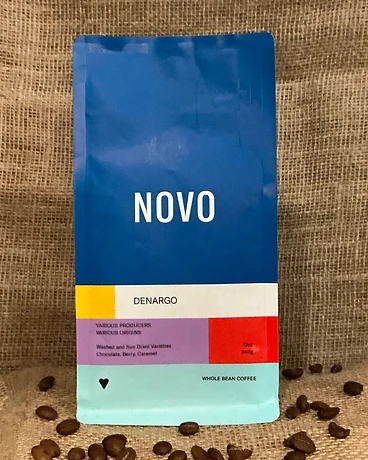
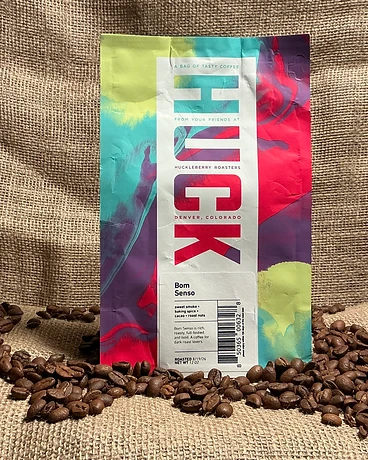
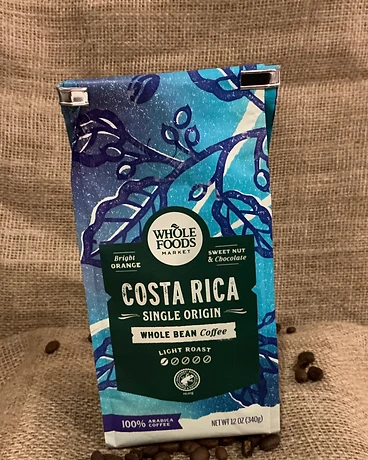
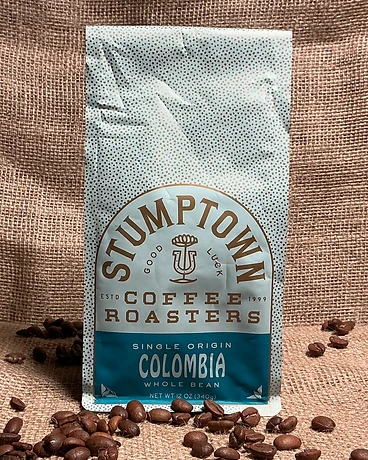
Coffee identity, farm traceability and tasting quality are different questions. The answers below explain what the catalog does — and what it cannot establish.
Does being in the Coffee Index mean a coffee has been reviewed?
No. A coffee profile documents an identifiable coffee and the information we can verify about it. An original tasting review is a separate record of a coffee we actually obtained, brewed and evaluated. No house score is assigned to an untested coffee.
Read our review and sourcing standards
What makes one coffee more traceable than another?
A country or region establishes a geographic origin, but it does not identify a specific farm, producer or lot. Farm, producer, variety and processing details must be supported by evidence for that particular coffee. Unknown information remains undisclosed, never guessed.
Explore documented farms and farmers
How should I compare tasting notes and scores?
Keep the roaster's tasting suggestions, independent outside commentary and our own brewed tasting observations distinct. The Specialty Coffee Association's Coffee Value Assessment separates descriptive sensory attributes, an evaluator's affective impressions, physical attributes and extrinsic information. One number cannot replace these different kinds of evidence.
Compare documented coffee profiles
Reference: Specialty Coffee Association — Coffee Value Assessment
Do variety and processing labels predict a coffee's flavor?
They offer useful context, not a guaranteed flavor profile. A variety identifies plant material; a processing label describes a family of post-harvest practices. Harvest decisions, growing conditions, roast and brewing also matter. Compare the documented details of the specific coffee rather than assuming all coffees with the same label taste alike.
Learn about coffee processing and varieties
Reference: National Coffee Association — Processing methods
These references explain coffee science and assessment standards. They do not independently verify any individual farm, coffee lot, tasting score or current availability.