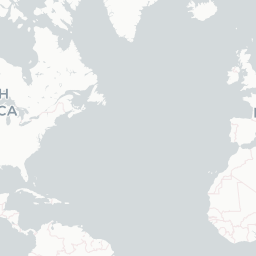
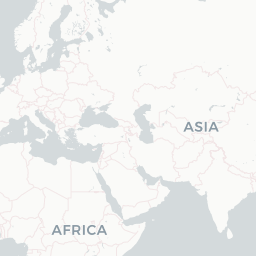
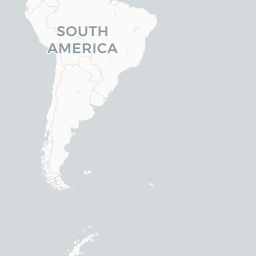
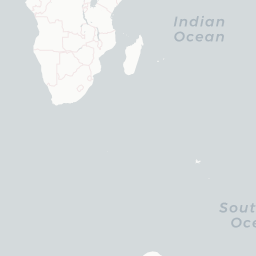
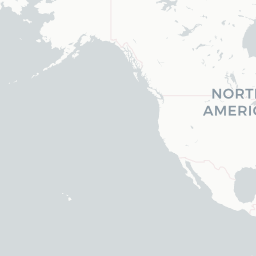
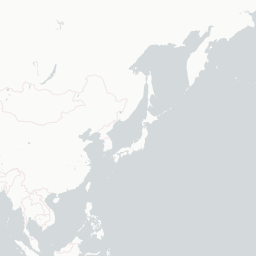
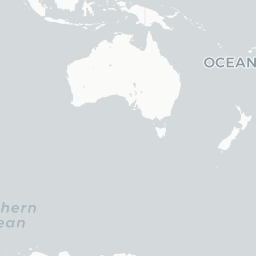
The traditional coffee belt sits roughly between 23.5° north and 23.5° south. Climate, not a hard latitude line, determines where coffee thrives. Explore selected producing origins, approximate growing locations and their harvest seasons.
Original artwork — sacred geometry. Never reused.
What is the Coffee Belt?
The main coffee-growing zone, not a hard boundary.
Quick answer: the coffee belt is the tropical region roughly between 23.5° north and 23.5° south, where most coffee is grown. It is a useful geographic description, not an absolute growing boundary. Frost risk, temperature, rainfall, elevation and local microclimates matter more than latitude alone.
·Can coffee grow outside the tropics? Yes. Frost sensitivity limits where coffee can grow, but suitable coastal and subtropical sites outside the traditional belt support documented production.
·How to read this map: The shaded area marks the traditional tropics. Points represent selected growing areas, not individual farms, an exhaustive producer census or precise farm GPS locations.
The belt in one picture: the shaded tropical band wrapping the Earth's middle, with coffee cherries on the growing lands.
Beyond the traditional latitude band
Two documented exceptions, not a new global boundary.
The Tropics of Cancer and Capricorn remain a helpful shorthand for where most coffee grows, but they do not mark an absolute limit. These two independently sourced examples are shown as gold, dashed-outline regional markers on the interactive world map. Their approximate positions are not farm coordinates, and the sources do not establish that all nearby land is suitable or that harvest seasons and varieties apply to an entire region.
Northern New South Wales / southeast Queensland
The Australian Grown Coffee Association identifies a subtropical coffee-growing region from Noosa to Coffs Harbour. This is evidence of cultivation in a particular area, not proof of a major producing origin.
Approximate coastal regional reference, not an individual farm; plotted for regional context only.
The CCOF organic directory identifies Valley Heart Ranch as a Montecito-based certified coffee grower. This is evidence of cultivation in a particular area, not proof of a major producing origin.
Approximate county-area reference, not a farm address or GPS position; plotted for regional context only.
The shaded band shows the tropics; the red dashed line shows the equator. Blue, teal and red dots are selected country-level growing areas; gold dashed-outline dots mark the two separately sourced subtropical examples. No marker represents verified farm GPS coordinates. Select a country dot to inspect an illustrative origin profile, or use the linked evidence cards above to investigate the exceptions.
Dots represent approximate growing areas; they are not individual farm locations. This is an editorial selection, not a complete list of producing countries or farms.
Mapped origin directory
Selected origins, with context.
Geography shapes coffee through many interacting conditions — altitude, latitude, rainfall pattern, temperature swings, soil, shade and the culture of the farm. No entire country shares one flavor profile; profiles are built farm by farm, lot by lot.
Go deeper than the map
Published coffee origin guides.
These origin pages have been verified in our directory. Open any guide directly without interacting with a map or waiting for a database lookup. A published country guide is a starting point for research, not proof that every farm or lot described on this map has been independently verified.
When is Australian coffee harvested? It depends on the region.
Australia has two very different coffee-growing climates. The 2024 Australian Coffee Growers' Manual reports separate peak harvest periods; these should not be mistaken for one national picking season.
Tropical far north Queensland
Reported peak: June–July
Subtropical northern New South Wales and southeast Queensland
Reported peak: September–November
These are regional peak harvest months, not verified dates for every farm. The June–November Australia row combines separate growing climates, not one uninterrupted national peak.
When is Indonesian coffee harvested? It depends on the island.
There is no single Indonesian main harvest season. A specialty importer documents substantially different picking windows in Sumatra, Java, Bali, Flores, Sulawesi and Papua. The blue-green markers in our global calendar identify regional examples, not a country-wide main or fly crop.
Sumatra
Importer-reported window: April–June and November–January; smaller picking may occur outside these windows
Java
Importer-reported window: April–August
Bali
Importer-reported window: April–July
Flores
Importer-reported window: May–September
Sulawesi
Importer-reported window: May–October
Papua
Importer-reported window: May–October
These windows are indicative importer-reported regional seasons, not a national main-crop calendar. Sucafina also notes smaller Sumatra picking outside the named windows; another importer reports different dates. An unmarked month does not mean coffee cannot be harvested. Verify a specific lot's picking dates with its producer or exporter.
When is Indian coffee harvested? Arabica and Robusta differ.
India does not have one identical harvest window for both species. The Coffee Board of India gives two overlapping periods. Our global calendar shows the months documented for either species as a species-specific window, not as a national main crop or a fly crop.
Arabica
Coffee Board harvest window: November–January
Robusta (Coffea canephora)
Coffee Board harvest window: December–February
These are indicative species-level harvest windows published by India's national Coffee Board, not dates confirmed for every farm, district or year. The overlap in December–January does not imply one species is a secondary or fly crop. Local weather and altitude can shift picking dates.
Historic regional seasons · Evidence and limitations
When is Ugandan coffee harvested? The regions differ.
Uganda does not have one nationwide main and fly crop calendar. In the International Coffee Organization's 2019 Uganda profile, a table credited to Uganda Coffee Development Authority shows different main and secondary seasons for Robusta-growing regions and Mount Elgon's Arabica. For example, western Robusta and Masaka have mid-year main seasons, while the central Robusta region has its main harvest around November–February.
Central Uganda — Robusta
Historic main season: November–February
Historic fly season: May–August
Masaka — Robusta
Historic main season: May–July
Historic fly season: October–December
Eastern Uganda — Robusta
Historic main season: November–January
Historic fly season: May–August
Bugisu / Sebei — Arabica
Historic main season: November–January
Historic fly season: May–July
Western Uganda — Robusta
Historic main season: April–July
Historic fly season: November–February
This table records a 2019 publication's historic regional harvest patterns sourced to Uganda Coffee Development Authority. It is not a 2026 forecast. Months are approximate, harvests change with rainfall and locality, and this does not verify any farm's actual picking dates. 'Main' and 'fly' mean the two seasons within each named region, not for the whole country.
Real harvest reports beat a one-size-fits-all calendar.
A country harvest range is a starting point, not a picking appointment for a farm. These two 2026 primary-source examples illustrate how a national crop progress report differs from a local harvest plan. Neither verifies all month-by-country estimates in our calendar.
Dated field report ·
Brazil — national crop progress
On September 24, 2026, Conab reported that 99% of Brazil's coffee-growing area had been harvested.
What it cannot prove: A dated nationwide progress report, not a permanent harvest calendar or proof that every farm had finished picking.
Source: Federación Nacional de Cafeteros — Caldas harvest plan, 2026
Sources, evidence & further reading
These sources support specific parts of this guide; they do not individually verify every mapped country estimate. Harvest windows, elevation ranges and cultivar examples are approximate, region-dependent editorial summaries, not certified farm data.
·Coffee Board of India — Arabica and Robusta harvest windows ↗National coffee institution: Arabica harvested November–January, Robusta December–February; indicative species-level periods, not evidence of individual farm picking dates or a fly crop.
·Supremo — Indonesia crop periods ↗An independent importer's alternative regional harvest estimates. Variation between trade calendars underscores why a country-wide main crop designation is inappropriate.