Varieties tag
Bourbon, Typica, and Caturra
1 page on this site carry this tag — reviews, profiles, answers and stories. Tags are derived from our documented data, never invented.
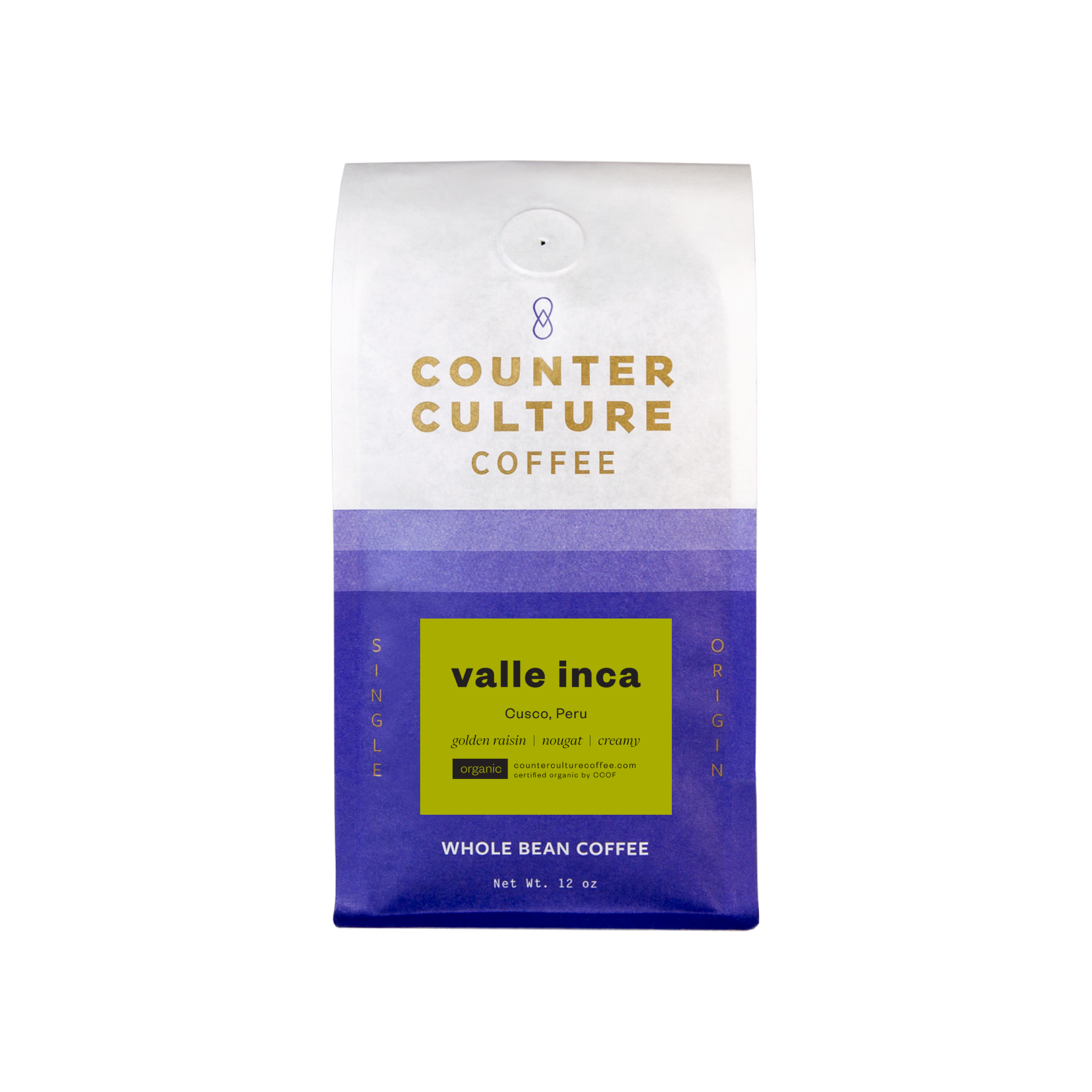
Nearby tagsArabicaCAC Valle Incacreamygolden raisinLightnougatSingle originSpecialtyYanatile and Lares
Quick answer — what is Bourbon, Typica, and Caturra?
Bourbon, Typica, and Caturra represent the foundational genetic lineage of modern Arabica coffee, tracing back to early migrations from Yemen. These varieties are prized for their exceptional cup quality and complex flavor profiles, serving as the primary ancestors for most of the world's specialty coffee production today.
The real story
The Bourbon and Typica genetic groups form the bedrock of global Arabica production. Their story begins with a small number of coffee trees exported from Yemen in the late 17th century. These plants were transported to India and subsequently to the island of Bourbon (now Réunion), where the Bourbon variety emerged. Typica, meanwhile, became the progenitor of many other lineages as it spread across the globe. These two groups are considered the primary parents of most modern coffee varieties, having traveled through Brazil and Africa in the 19th century to become the dominant cultivars in Latin America and beyond.
Typica is widely regarded as the original Arabica variety. It is characterized by its tall stature and high cup quality, though it is notoriously susceptible to major coffee diseases, including coffee leaf rust. Because of its genetic vulnerability and lower yields compared to modern hybrids, it requires careful management in the field. Despite these challenges, its historical significance and the high quality of its cup keep it relevant in specialty coffee circles, where it is often sought after for its clean, sweet, and balanced profile.
Bourbon, a natural mutation of Typica, was discovered on Réunion Island and quickly gained favor among producers for being more productive than its predecessor. It typically offers 30% higher yields and is celebrated for a complex, sweet cup profile often described as having chocolate and caramel notes. Its success as a cultivar led to further natural mutations, which have been instrumental in the development of the specialty coffee industry. Producers often choose Bourbon for its reliable quality, even though it remains susceptible to common pests and diseases.
Caturra is a significant dwarf mutation of the Bourbon variety. By adopting a compact growth habit, Caturra allows for higher planting densities, which translates to increased yields for the farmer. This mutation represents a pivotal moment in coffee breeding, as it successfully combined the high cup quality associated with the Bourbon lineage with the practical, space-saving benefits of a dwarf plant. It has become a staple in many coffee-producing regions, particularly in Latin America, where it serves as a workhorse for high-quality production.
In the field, these varieties require specific environmental conditions to thrive. While they are capable of producing world-class coffee, their susceptibility to diseases like coffee leaf rust and Ojo de Gallo necessitates intensive management, including fertilization and disease control. Farmers must balance the economic benefits of their high cup quality against the risks of crop loss. This trade-off is a central theme in the cultivation of these traditional varieties, as they lack the robust disease resistance found in newer, introgressed hybrids.
For the roaster and the consumer, these varieties are the gold standard for flavor. They are frequently associated with the nuanced, bright, and sweet characteristics that define specialty coffee. Because they are not as hardy as modern, disease-resistant varieties, they are often grown at higher altitudes where the cooler climate can help mitigate some disease pressure while simultaneously enhancing the development of complex sugars and acids in the coffee cherry.
Today, the legacy of Bourbon, Typica, and Caturra continues to influence coffee research and production. While newer varieties are being developed to address the threats of climate change and disease, the genetic fingerprint of these three varieties remains the benchmark for quality. They are not just historical artifacts; they are the living, breathing foundation upon which the modern specialty coffee market is built, continuing to provide the sensory experiences that define the industry.
Sources behind this explanation
- https://varieties.worldcoffeeresearch.org/arabica/varieties
- https://worldcoffeeresearch.org/resources/coffee-varieties-catalog
- https://cdn2.assets-servd.host/worldcoffee-research/production/pdf/catalogEnglish/Combined/complete-1769602232.pdf?dm=1769602232
- https://sagebrushcoffee.com/pages/typica-coffee-variety
Coffee reviews & profiles
1 page