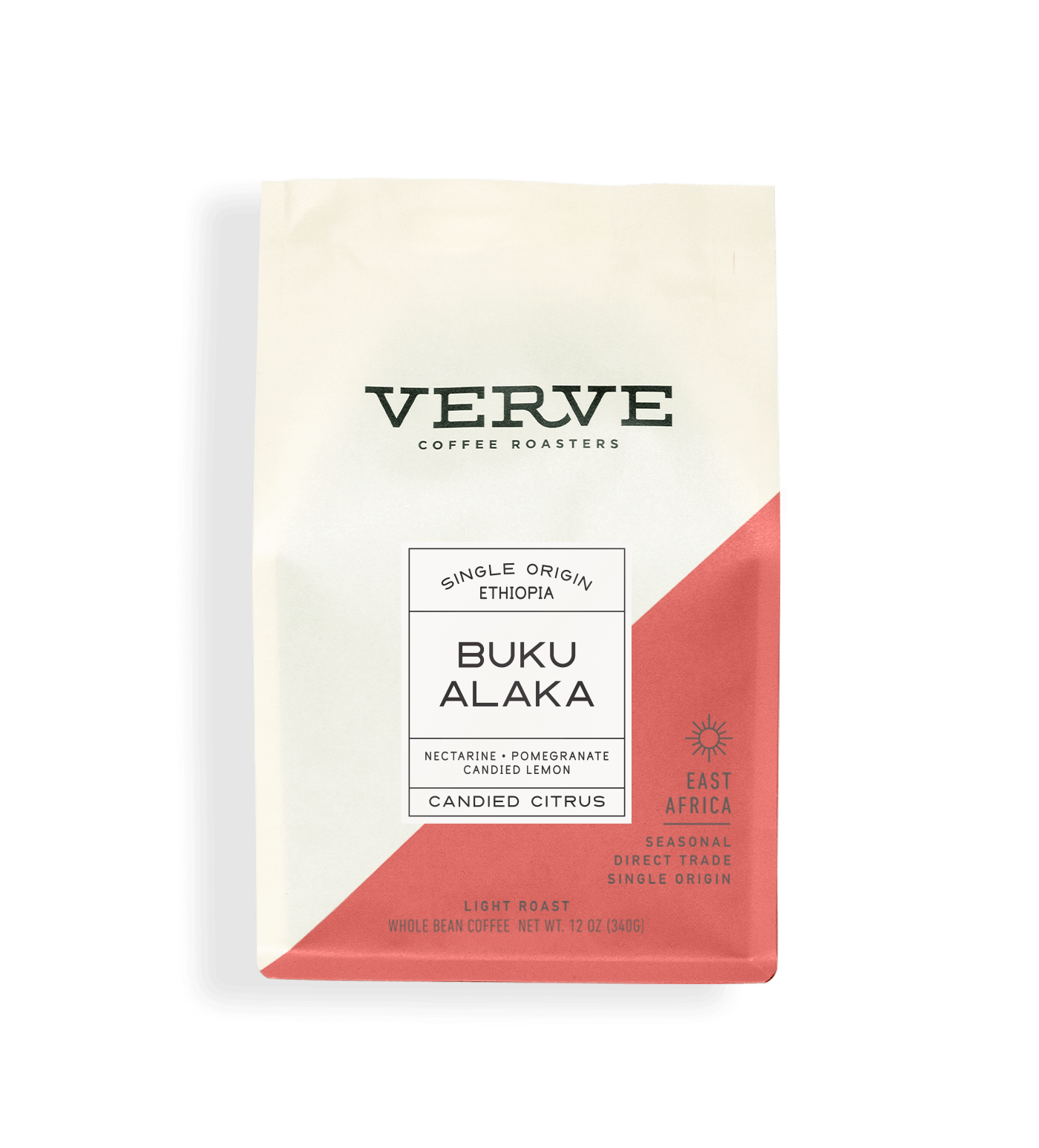
Farms & farmers tag
Buku Alaka Cooperative
2 pages on this site carry this tag — reviews, profiles, answers and stories. Tags are derived from our documented data, never invented.
Nearby tagsArabicaBuku Washing StationBuku Washing Station (Buku Alaka)candied lemonEthiopiaEthiopian LandracesEthiopian Landraces (roaster wording: Ethiopian Heirloom)Hambela Wamena, Guji ZoneLightnectarinepomegranateSingle originSpecialty
Quick answer — what is Buku Alaka Cooperative?
Buku Alaka is a specific coffee-producing village and washing station located in the Hambela Wamena district of the Guji Zone in Ethiopia. It is highly regarded in specialty coffee for producing high-altitude, heirloom-variety coffees that are frequently processed using natural or anaerobic methods to highlight distinct fruit-forward and floral flavor profiles.
The real story
The Buku Alaka cooperative and its associated washing station are situated in the Hambela Wamena district within the Guji Zone of Ethiopia. This region is part of the broader Oromia region, which is globally recognized for its high-altitude coffee forests. The area is characterized by its rugged, mountainous terrain, with coffee farms often situated at elevations ranging from 1,500 to 2,300 meters above sea level. This extreme altitude is a critical factor in the quality of the coffee, as the cooler temperatures slow the maturation of the coffee cherries, allowing for a more complex development of sugars and acids.
Buku Alaka is often discussed in the context of the village of Buku, a small community deeply dedicated to coffee cultivation. The local infrastructure, including the washing station managed by individuals like Delnessaw, serves as a central hub for local smallholder farmers. These farmers typically cultivate indigenous heirloom coffee varieties, which are genetically diverse and adapted to the specific microclimates of the Guji highlands. The relationship between the village, the washing station, and the international specialty coffee market is a primary example of the decentralized nature of Ethiopian coffee production.
In practice, the processing at Buku Alaka is noted for its precision and innovation. While traditional washed processing remains common in Ethiopia, Buku Alaka has gained recognition for its natural and anaerobic natural processes. In the natural process, the coffee cherries are dried in their entirety, which imparts intense fruit notes such as nectarine, pomegranate, and candied citrus to the final cup. The adoption of mechanical dryers at the station has allowed for more consistent moisture control, which is essential for maintaining quality during the drying phase of the harvest.
For the roaster and the consumer, the Buku Alaka tag represents a specific terroir that bridges the gap between traditional Ethiopian coffee profiles and modern processing techniques. The coffee is frequently sought after for its vibrant acidity and deep, jammy sweetness. Because the region is composed of many smallholder farmers, the 'Buku Alaka' designation often functions as a traceability marker, ensuring that the specific lot can be traced back to the collective efforts of the farmers delivering their cherries to the local station.
Technological advancements at the station, such as the installation of mechanical dryers, reflect a broader trend in the Ethiopian coffee sector toward improving post-harvest infrastructure. These investments are intended to mitigate the risks associated with unpredictable weather patterns during the harvest season, ensuring that the high-quality potential of the heirloom cherries is preserved from the tree to the export bag. This focus on infrastructure is a key component of the economic sustainability of the farmers in the Hambela region.
While the name is sometimes associated with the nearby Buku Sayisa area, Buku Alaka remains a distinct point of origin for many specialty roasters. The recognition of these specific micro-regions within Guji has been instrumental in the rise of 'single-origin' marketing, which emphasizes the unique characteristics of small, geographically defined areas over broader regional labels. Today, Buku Alaka stands as a testament to the high-quality output of the Guji Zone and the ongoing evolution of Ethiopian coffee processing.
Sources behind this explanation
Coffee reviews & profiles
1 page