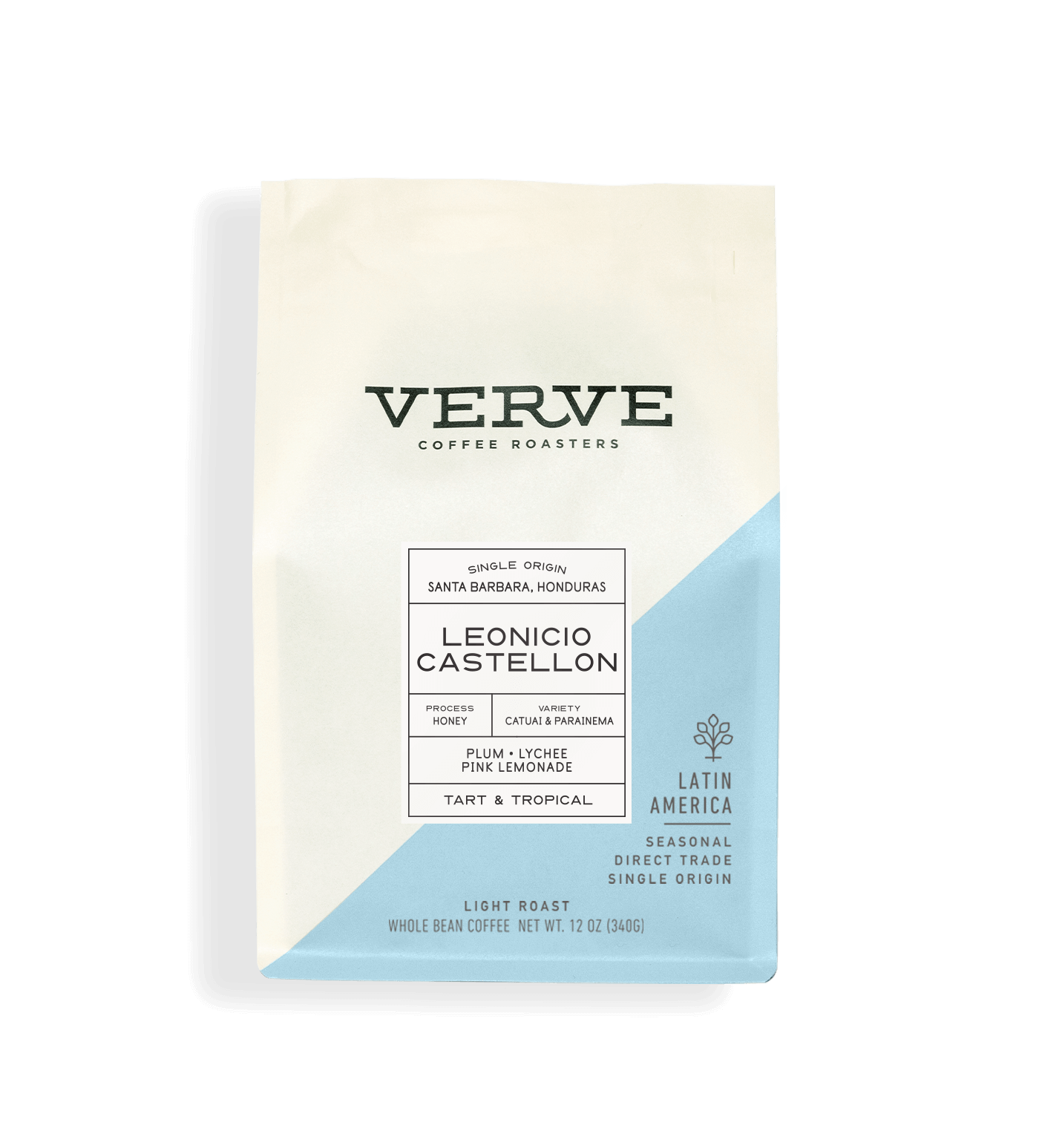
Varieties tag
Catuaí, Parainema
1 page on this site carry this tag — reviews, profiles, answers and stories. Tags are derived from our documented data, never invented.
Nearby tagsArabicaFinca La TigraLeonicio CastellonLightLycheePink LemonadePlumSanta BárbaraSingle originSpecialty
Quick answer — what is Catuaí, Parainema?
Catuaí is a high-yielding, compact Arabica variety developed in Brazil from Mundo Novo and Caturra, widely valued for its vigor despite its susceptibility to coffee leaf rust. Parainema is a distinct, rust-resistant hybrid developed in Honduras, specifically bred for adaptation to medium altitudes and resilience against pests like nematodes. Both varieties represent critical, though genetically different, tools for producers managing productivity and disease pressure in modern coffee cultivation.
The real story
Catuaí, whose name derives from the Guarani term for 'very good,' is a cornerstone of modern coffee production. Developed by the Instituto Agronômico (IAC) in Brazil in 1949 and released in 1972, it is a cross between Mundo Novo and Yellow Caturra. The plant is characterized by its low height and high vegetative vigor, which makes it easier for farmers to manage and apply pest treatments. While it is highly productive, it is also notoriously susceptible to coffee leaf rust, a factor that has influenced its management in diverse climates.
In contrast, Parainema is a hybrid developed in Honduras by the Instituto Hondureño del Café (IHCAFE). It is genetically related to the Sarchimor family, which typically incorporates Timor Hybrid lineage to provide robust disease resistance. Parainema was specifically engineered to thrive at medium altitudes, offering producers a reliable option that combines high yields with resistance to coffee leaf rust and certain types of nematodes, addressing the specific environmental challenges faced by Central American farmers.
From a field perspective, the two varieties serve different strategic needs. Catuaí is prized for its compact structure and responsiveness to intensive farming practices, though its lack of rust resistance requires consistent chemical or biological intervention. Parainema, conversely, is valued for its resilience, allowing farmers to maintain productivity in regions where rust pressure is high and traditional varieties might fail. Both varieties are widely recognized in the World Coffee Research variety catalog as essential cultivars for global coffee agriculture.
For the roaster and the consumer, these varieties offer distinct profiles. Catuaí is often described as having good, though not exceptional, cup quality, serving as a reliable workhorse in many blends and single-origin offerings. Parainema, having been bred for specific regional adaptation, is often highlighted for its performance in the cup when grown under the conditions for which it was designed. The choice between them often comes down to the specific microclimate of the farm and the producer's ability to manage disease.
Genetic lineage remains the primary differentiator between these two. Catuaí represents the classic pedigree selection of the mid-20th century, focusing on plant architecture and yield. Parainema represents a later generation of breeding, where the primary objective shifted toward incorporating genetic resistance to combat the evolving threats of climate change and plant pathogens. This evolution in breeding reflects the broader history of coffee, moving from simple selection to complex hybridization.
Today, both varieties remain in active cultivation. Catuaí continues to dominate large-scale production in Brazil, while Parainema has become a significant variety for farmers in Honduras and beyond who require disease-resistant options. As the industry continues to face pressure from climate change, the documented performance of these varieties in international trials provides a vital baseline for future breeding programs and agricultural decision-making.
Sources behind this explanation
- https://varieties.worldcoffeeresearch.org/varieties/catuai
- https://varieties.worldcoffeeresearch.org/varieties/parainema
- https://library.sweetmarias.com/glossary/parainema
- https://us.theroasterspack.com/blogs/news/varietal-deep-dive-parainema
- https://cordigreen-english.jimdofree.com/2019/09/05/result-of-the-coffee-cultivars-by-wcr-world-coffee-research
Coffee reviews & profiles
1 page