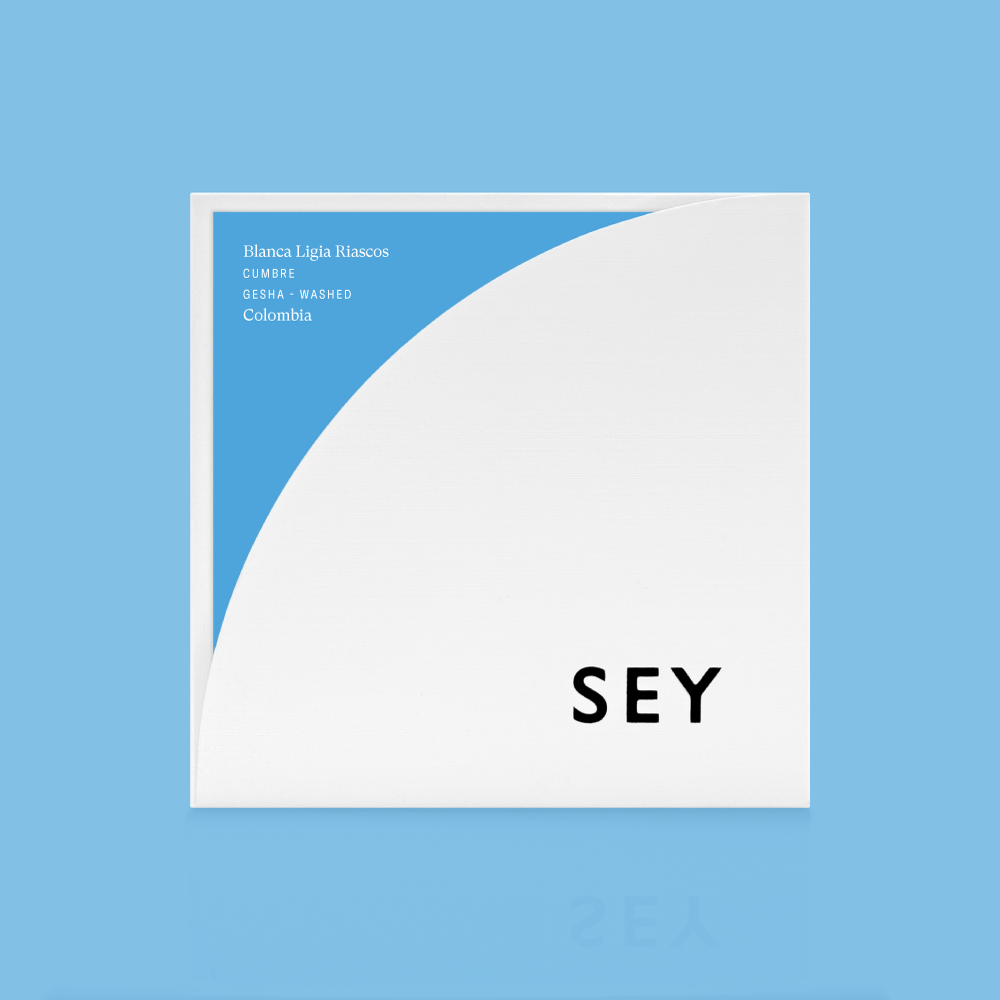
Farms & farmers tag
Cumbre
2 pages on this site carry this tag — reviews, profiles, answers and stories. Tags are derived from our documented data, never invented.
Quick answer — what is Cumbre?
In the context of coffee, 'Cumbre'—Spanish for 'summit'—frequently refers to high-altitude coffee production, representing the peak elevations where coffee cherries mature slowly to develop complex flavor profiles. It is also used as a specific identifier for award-winning farms, such as the renowned La Cumbre in El Salvador, and as a brand name for specialty roasters focused on traceable, high-elevation sourcing.
The real story
The term 'Cumbre' carries significant weight in the specialty coffee industry, primarily serving as a descriptor for the extreme, high-altitude environments where the finest Arabica beans are cultivated. In Spanish, the word translates to 'summit' or 'ridge,' marking the boundary where coffee cultivation meets the cloud forest. At these elevations, typically exceeding 1,400 meters, the cooler temperatures and thinner air force the coffee cherry to mature at a slower, more deliberate pace. This extended maturation period is essential for the development of the dense, sugar-rich beans that define the specialty market, contrasting sharply with the softer, less complex profiles often found in lower-grown crops.
Beyond its geographical significance, 'Cumbre' is a name associated with elite-level coffee production. Most notably, 'La Cumbre' in El Salvador has been recognized on the global stage for its exceptional quality. In the 2018 El Salvador Cup of Excellence, the farm achieved a historic first-place ranking with a score of 91.80. This recognition, under the stewardship of the founding family, solidified the name's reputation as a benchmark for excellence in the specialty sector, proving that the specific terroir of these high-altitude slopes can produce world-class results.
For the consumer and the roaster, the 'Cumbre' tag often signals a commitment to traceability and quality. Because these high-altitude lots are frequently limited in volume, they are often handled as micro-lots. This allows for a direct connection between the producer and the roaster, ensuring that the unique characteristics of the farm—such as the volcanic soil or specific micro-climate—are preserved through the roasting process. Specialty roasters often favor light or medium roasts for these beans to highlight the inherent acidity and floral or fruit-forward notes that are characteristic of high-elevation harvests.
In the United States, the name has also been adopted by specialty coffee roasters, such as Cumbre Coffee based in Tomball, Texas. These businesses utilize the name to emphasize their focus on sourcing ethically produced, traceable harvests from small-holder farms and families. By aligning their brand with the concept of the 'summit,' these roasters communicate a dedication to the highest standards of the supply chain, from the initial harvest at the mountain's peak to the final cup served to the customer.
Understanding 'Cumbre' requires looking at the intersection of agricultural science and market prestige. World Coffee Research and other industry bodies emphasize that climate resilience and variety selection are critical at these high altitudes, where environmental pressures are intense. When a farm or a lot carries this name, it implies that the coffee has survived the challenges of its environment to deliver a superior sensory experience, making it a sought-after designation for those who prioritize quality and transparency.
Ultimately, whether appearing as a farm name in a competition register or as a brand identity for a roaster, 'Cumbre' represents the pinnacle of the coffee value chain. It serves as a reminder of the labor-intensive nature of specialty coffee, where the pride of the farm worker and the expertise of the producer converge. For the drinker, it is a promise of a product that has been carefully nurtured at the limits of where coffee can grow, resulting in a cup that reflects the true potential of its origin.
Coffee reviews & profiles
1 page