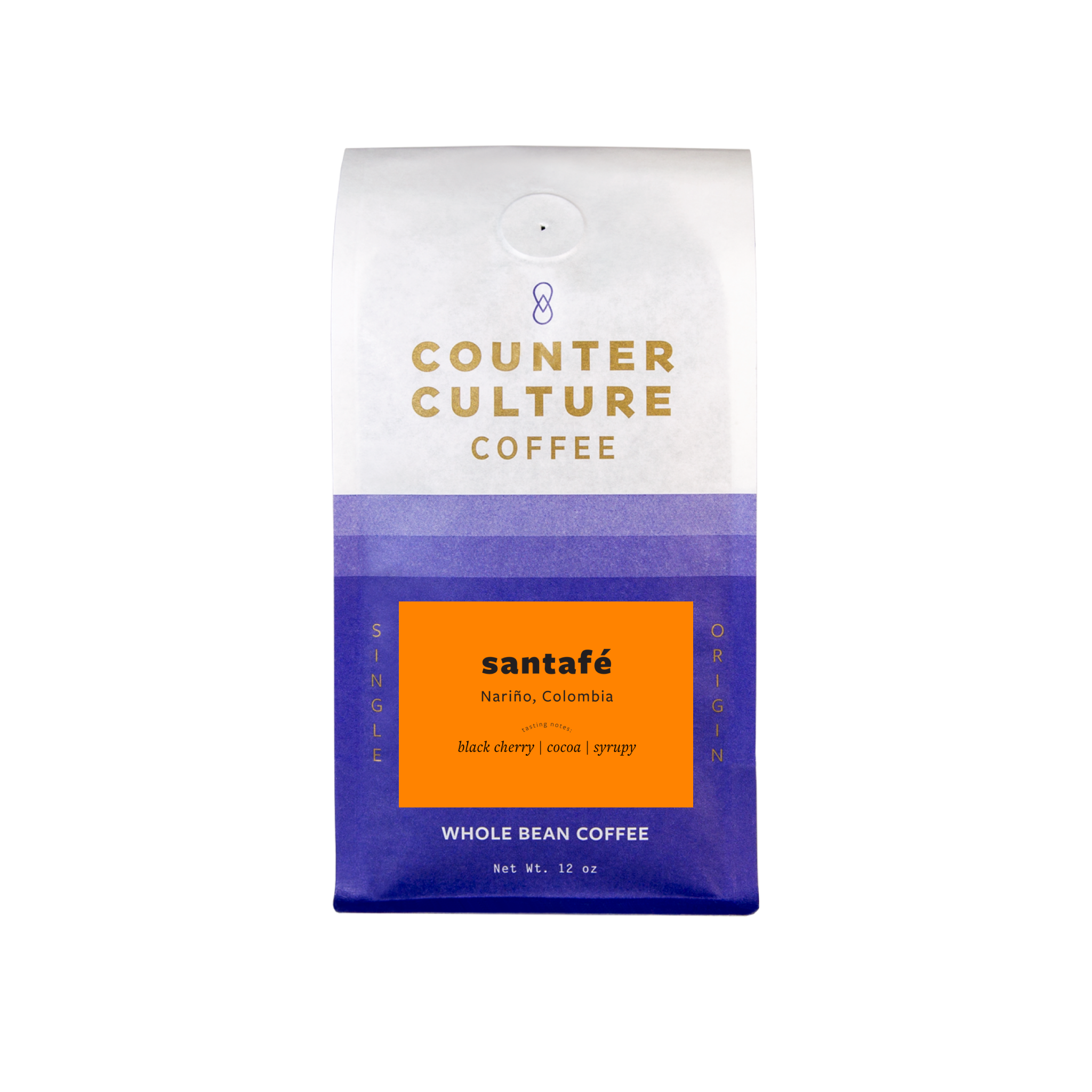
Origins tag
Eastern Nariño
1 page on this site carry this tag — reviews, profiles, answers and stories. Tags are derived from our documented data, never invented.
Nearby tagsArabicablack cherryCaturra, Castillo and ColombiacocoaLightSantafé community growersSingle originSpecialtysyrupy
Quick answer — what is Eastern Nariño?
Eastern Nariño refers to the high-altitude, volcanic coffee-growing areas within the Nariño department of southwestern Colombia. It is globally significant for producing some of the world's highest-grown commercial coffee, characterized by intense tropical fruit acidity, deep caramel sweetness, and a syrupy body that distinguishes it from the more traditional, chocolate-forward profiles found in central Colombia.
The real story
Nariño, located in the southwestern corner of Colombia bordering Ecuador, represents one of the most distinct coffee-producing regions in the world. While the broader department is defined by its dramatic Andean topography, the eastern and central slopes are particularly renowned for their extreme elevations. Coffee here is frequently cultivated at altitudes between 1,500 and 2,300 meters, a range that would typically be too cold for coffee production at this latitude. The region remains viable due to unique microclimates created by warm air currents rising from the deep Patía valley, which moderate nighttime temperatures and prevent frost, allowing cherries to ripen slowly over an extended period.
The terroir of Nariño is fundamentally shaped by its volcanic history. The soil is rich in volcanic ash, providing a mineral-dense foundation that, when combined with significant diurnal temperature fluctuations, forces the coffee plant to focus energy on fruit development. This slow maturation process is the primary driver of the region's signature cup profile: a complex, high-intensity acidity often described as lime or tropical fruit, balanced by a profound, syrupy sweetness reminiscent of caramel or brown sugar. Unlike the more uniform, nutty, and chocolate-heavy profiles associated with the central Coffee Triangle, Nariño coffees are prized for their brightness and structural complexity.
Coffee production in Nariño is characterized by small-scale, family-run operations. The average farm size is often less than one hectare, situated on extremely steep, rugged terrain that necessitates manual labor for almost every stage of cultivation and harvesting. Because of the challenging landscape, much of the processing is handled at the household level before being aggregated through local cooperatives. This decentralized model has fostered a culture of meticulous quality control, with specific municipalities like Buesaco and La Unión gaining international recognition for their high-end micro-lots.
Varietal selection in the region typically leans toward reliable, high-yielding cultivars such as Caturra, Castillo, and Colombia. While these are standard across the country, the extreme altitude of Nariño elevates their performance, resulting in a cleaner, more vibrant cup than is often achieved at lower elevations. In recent years, the region has also seen an increase in the cultivation of specialty varieties like Geisha, which thrive in the high-altitude, volcanic environment, further cementing Nariño's reputation as a source for premium, competition-grade coffee.
The harvest calendar in Nariño is influenced by the region's proximity to the equator and its diverse altitude bands. The main harvest typically occurs between April and August. This timing is critical for roasters and importers, as it provides a fresh-crop supply that complements the harvest cycles of other Colombian departments. The consistency of this supply, paired with the region's unique sensory profile, has made Nariño a fixture on the menus of specialty roasters worldwide who seek to showcase the diversity of Colombian coffee beyond the traditional 'mild' stereotype.
For the producer, the region's success is a testament to the resilience of smallholder farmers who have adapted to some of the most difficult growing conditions in the coffee world. The reliance on manual processing and the focus on quality over volume have allowed Nariño to command premium prices in the specialty market. For the drinker, Nariño offers a window into the potential of high-altitude terroir, providing a cup that is both intellectually engaging and deeply satisfying, bridging the gap between the classic, balanced Colombian profile and the more exotic, fruit-forward expressions found in other high-altitude origins.
Coffee reviews & profiles
1 page