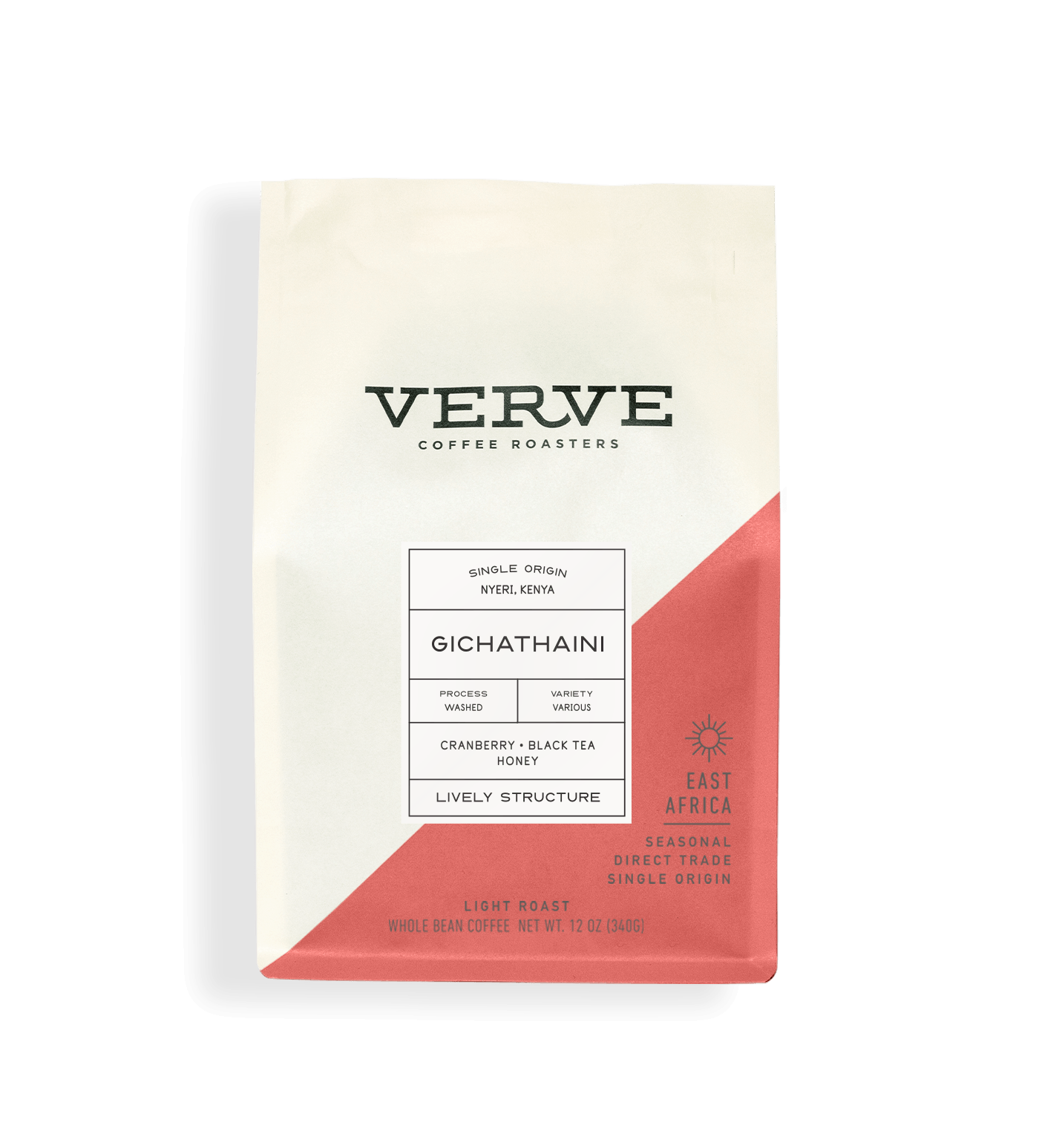
Farms & farmers tag
Gichathaini factory
1 page on this site carry this tag — reviews, profiles, answers and stories. Tags are derived from our documented data, never invented.
Nearby tagsArabicaBlack teaCranberryHoneyLightNyeri CountySingle originSL28, SL34, Ruiru 11, BatianSpecialty
Quick answer — what is Gichathaini factory?
Gichathaini Factory is a prominent wet mill located in Nyeri, Kenya, serving as a vital processing hub for over 800 smallholder farmers. It is a key component of the Gikanda Farmers’ Cooperative Society and is internationally recognized for producing high-quality, fully washed Kenyan coffees characterized by vibrant acidity, complex fruit notes, and exceptional clarity.
The real story
The Gichathaini Factory is a cornerstone of the Gikanda Farmers’ Cooperative Society, a collective that also includes the Kangocho and Ndaroini factories. The name 'Gikanda' is derived from the first letters of these three constituent stations. Located in the Karatina area of Nyeri County, the factory serves as a central processing point for over 800 smallholder farmers, most of whom cultivate coffee on plots of land measuring less than one hectare. These farmers rely on the factory to process their hand-picked cherries into the high-grade green coffee that has earned Nyeri its reputation as a premier coffee-producing region.
Situated at altitudes ranging from 1,600 to 1,900 meters above sea level, the factory benefits from the region's deep, red volcanic soils and favorable climate. The farmers delivering to Gichathaini typically grow a mix of traditional and modern coffee varieties, including SL-28, SL-34, Ruiru 11, and Batian. This diversity of cultivars, combined with the meticulous agricultural practices of the smallholders, provides the raw material necessary for the factory's renowned output.
Processing at Gichathaini follows the traditional, rigorous Kenyan 'fully washed' method. Upon delivery, cherries undergo strict visual sorting and floating to ensure only the densest, ripest fruit is accepted. The coffee is then pulped, fermented, and washed in clean water before being dried on raised beds. This process is designed to maximize the inherent brightness and structural elegance of the coffee, resulting in the characteristic cup profile that features notes of blackcurrant, blackberry, dark chocolate, and black tea.
Environmental stewardship is a documented priority at the facility. To mitigate the impact of processing on the local ecosystem, the factory utilizes gravity-fed channels to transport water from the nearby Ragati River. Furthermore, the facility employs water recirculation systems during the processing stages to prevent over-extraction from the river and to manage waste effectively, reflecting a commitment to sustainable production practices.
Governance at Gichathaini is structured to ensure that the needs of the producers are met. A representative from the factory serves on the Gikanda Management Committee, participating in decision-making processes regarding production standards, processing techniques, and the overall economic wellbeing of the cooperative members. This representative structure helps maintain the quality control standards that allow Gichathaini to consistently produce auction-quality lots.
For roasters and consumers, the Gichathaini tag represents a high standard of traceability and quality. Because the factory maintains strict intake protocols and consistent processing methods, it has become a sought-after source for specialty coffee importers and roasters worldwide. The coffee is frequently graded as AA or AB, reflecting the screen size and quality of the beans, and is celebrated for its vibrant acidity and complex, fruit-driven flavor profiles that define the classic Nyeri experience.
Sources behind this explanation
- https://www.sweetmarias.com/products/kenya-nyeri-gichathaini-ab-8386
- https://coffeehunter.com/coffee/gichathaini-aa
- https://whomakesthebestcoffee.com/reviews/kenya-gichathaini
- https://www.thecoffeequest.com/gichathaini-natural-gikanda-nyeri-kenya
- https://www.sweetmarias.com/products/kenya-nyeri-gichathaini-aa-8629
- https://sucafina.com/apac/offerings/gichathaini-nyeri-aa
Coffee reviews & profiles
1 page