Farms & farmers tag
La Perla and Río Verde community lots
1 page on this site carry this tag — reviews, profiles, answers and stories. Tags are derived from our documented data, never invented.
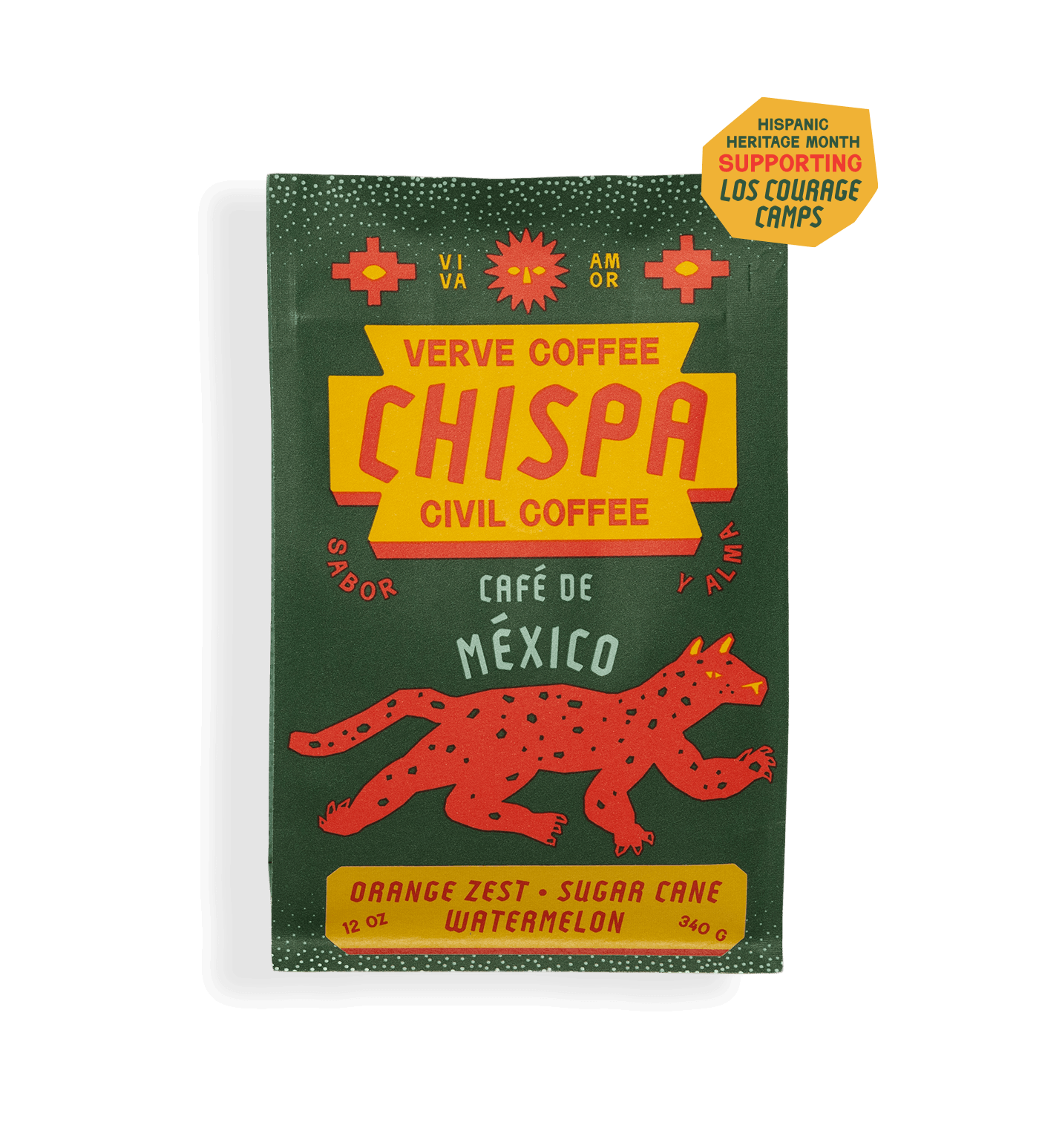
Nearby tagsArabicaBlendLightNot specifiedOrange ZestSugar CaneVarious producers in Veracruz, Puebla, and GuerreroWatermelon
Quick answer — what is La Perla and Río Verde community lots?
The "La Perla and Río Verde community lots" tag identifies specific, high-quality coffee production sources, often associated with award-winning farms like Mexico's La Perla and Brazil's Fazenda Rio Verde. These lots represent a commitment to traceability and specialty-grade standards, allowing roasters and consumers to connect directly with the unique terroir and rigorous processing methods of these distinct agricultural estates.
The real story
The "La Perla and Río Verde" tag refers to two distinct, high-prestige coffee origins that have gained recognition within the specialty coffee market for their commitment to quality and traceability. La Perla, located in Mexico, is a family-owned estate managed by the Perez family. It is widely noted in industry circles for its immediate success, having achieved recognition in the Cup of Excellence competition with its very first harvest, a rare feat that established the farm's reputation for excellence from its inception. The farm represents the high-altitude, specialty-focused production characteristic of Mexico's renowned coffee-growing regions.
Fazenda Rio Verde, conversely, is a large-scale, historically significant estate situated in the Mantiqueira de Minas region of Brazil, near the city of Conceição do Rio Verde. The farm spans over 1,200 hectares, with a substantial portion dedicated to the protection of forests, springs, and waterfalls, reflecting a deep commitment to ecosystem conservation. The farm's history is deeply intertwined with the legacy of the Fernandes family, who managed the property for decades before it was acquired by Ipanema Coffees in 2008. This transition integrated the farm into a larger, highly professionalized agricultural operation while maintaining the site's historical identity.
In practice, these community lots function as a bridge between the farm's specific agricultural output and the specialty market. For Fazenda Rio Verde, this has included participation in prestigious programs such as the Brazil Pulped Naturals Cup of Excellence, where the farm has been ranked among the top producers. These lots are defined by their specific altitude—often near 1,000 meters above sea level for Rio Verde—and the meticulous processing methods, such as pulped natural, which are designed to highlight the inherent sweetness and body of the Brazilian harvest.
For the roaster and the drinker, these tags signify a departure from commodity-grade coffee. Specialty coffee, as understood by the industry, is defined by the pursuit of quality that commands a significant premium over the commodity market. By sourcing from specific lots like La Perla or Rio Verde, roasters are participating in a supply chain that prioritizes the farmer's labor and the unique environmental conditions of the farm. This traceability is essential for maintaining the integrity of the specialty coffee sector, as it ensures that the value generated by high-quality production is transparently linked to the source.
These farms also serve as examples of how agricultural management impacts the broader coffee community. Whether through the Perez family's focus on competition-grade quality in Mexico or Ipanema Agrícola's large-scale environmental stewardship in Brazil, these producers demonstrate that profitability and sustainability are linked. The use of such tags on a publication's site helps educate consumers on the importance of origin, variety, and the specific human effort required to produce a cup that meets the rigorous standards of the specialty market.
Ultimately, the "La Perla and Río Verde" tag serves as a marker of quality and historical provenance. It highlights the importance of recognizing individual farms that have proven their ability to consistently produce exceptional coffee. As the industry continues to evolve, the focus on such specific, verified lots remains a cornerstone of the specialty coffee movement, ensuring that the stories of the farmers and the unique characteristics of their land are preserved and celebrated in every cup.
Coffee reviews & profiles
1 page