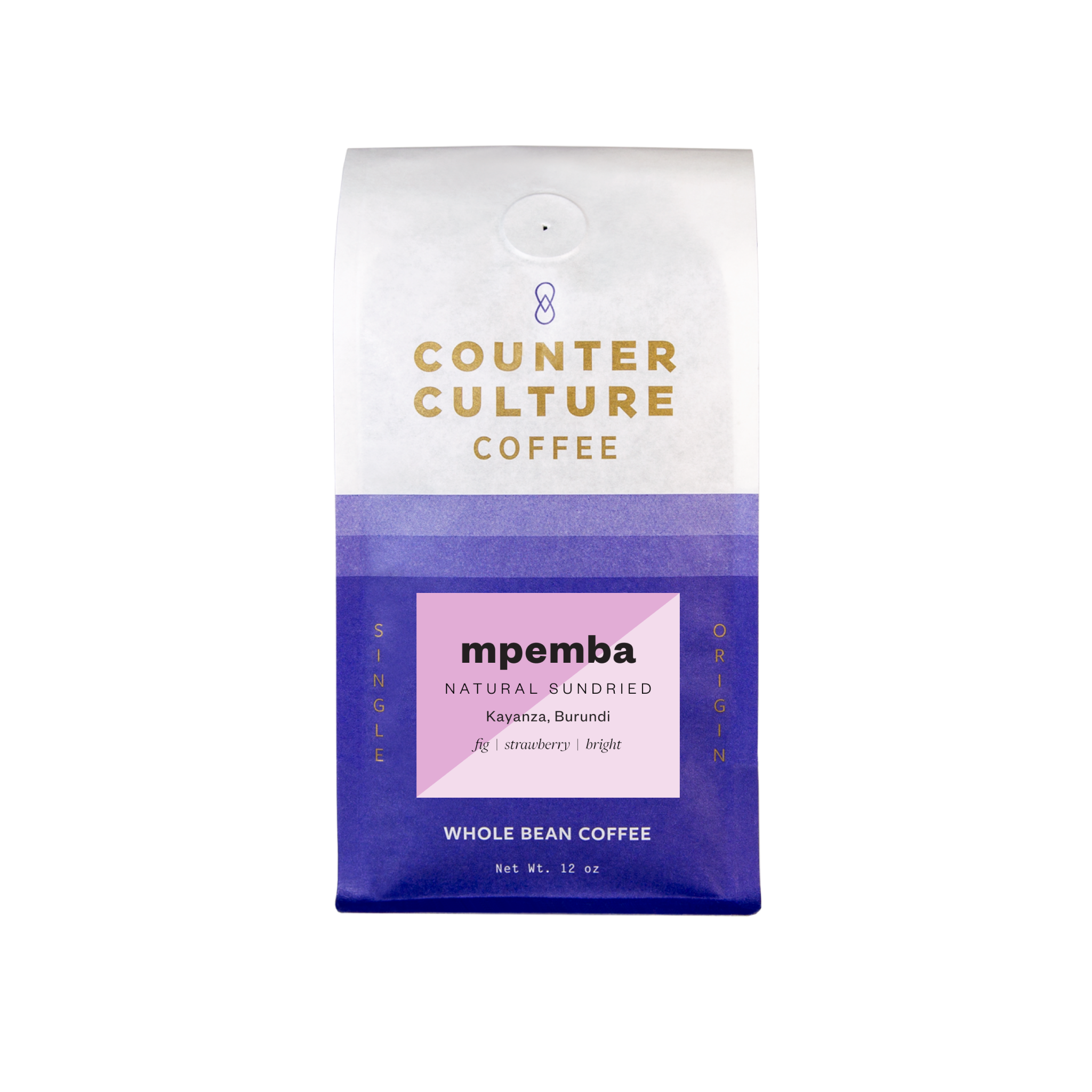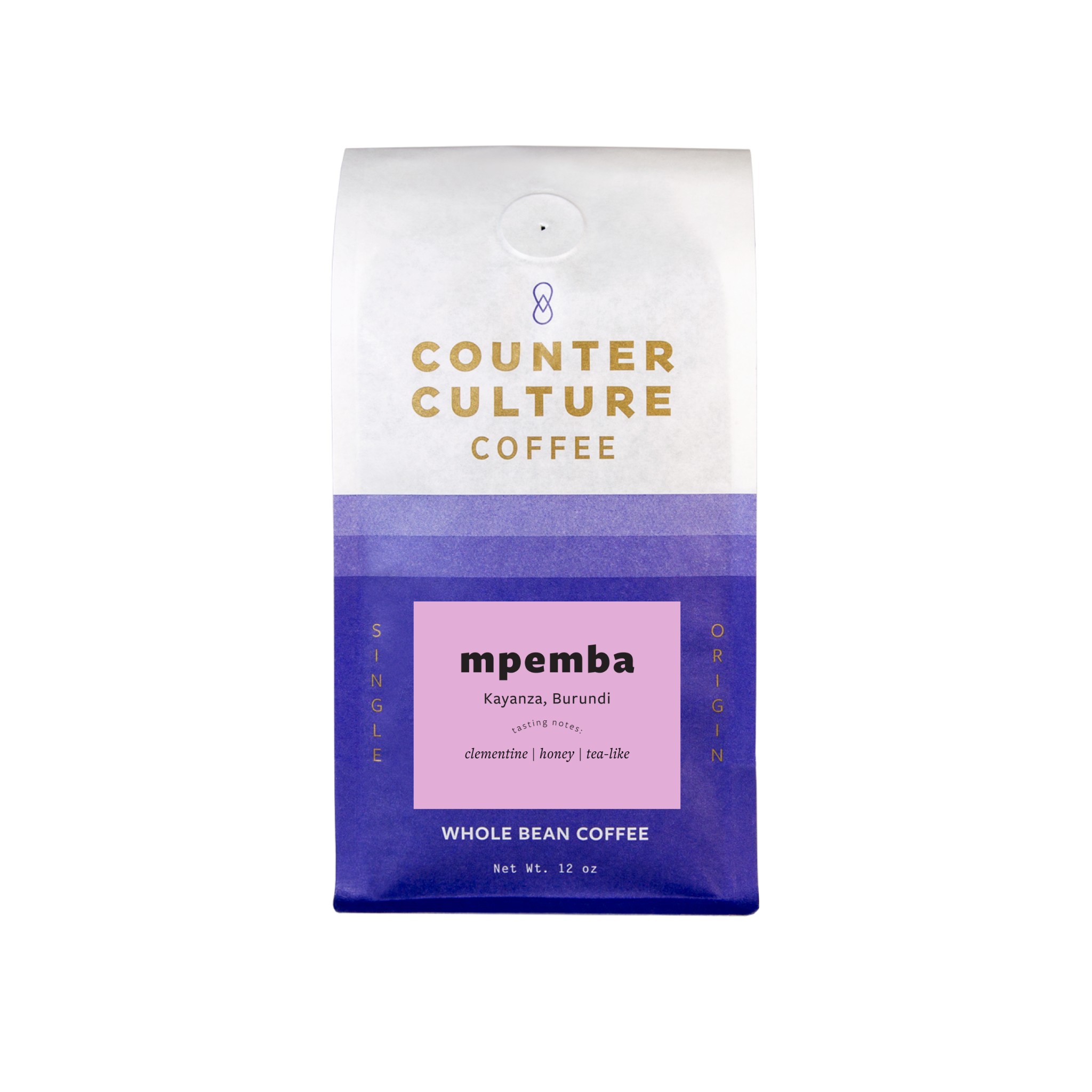
Farms & farmers tag
Mpemba washing station
4 pages on this site carry this tag — reviews, profiles, answers and stories. Tags are derived from our documented data, never invented.
Nearby tagsKazoza N’Ikawa cooperativeArabicaBourbon, Mbirizi, JacksonBurundiKayanzaLightSingle originSpecialtyBourbonbrightclementinefighoneyJackson
Quick answer — what is Mpemba washing station?
The Mpemba washing station is a critical processing facility located in the Kayanza province of Burundi, serving the Kazoza N’Ikawa cooperative. It is essential for maintaining high quality in Burundian coffee by providing the infrastructure for meticulous hand-sorting, fermentation, and drying of cherries delivered by local smallholder farmers.
The real story
The Mpemba washing station is situated in the village of Mpemba, a small, tranquil hamlet nestled within the rolling hills of Burundi’s Kayanza province. This region is widely recognized for its favorable climate for both tea and coffee production. The station serves as the central processing hub for the Kazoza N’Ikawa cooperative, whose name translates from Kirundi to 'the future is coffee,' reflecting the members' dedication to long-term quality and agricultural development.
Most farmers associated with the Kazoza N’Ikawa cooperative operate on a small scale, typically managing farms of less than one hectare with only a few hundred coffee trees. These farms are characterized by traditional intercropping practices, where coffee trees are grown alongside fruits, vegetables, and potatoes, often utilizing eucalyptus trees for shade. This smallholder model is typical of the Burundian coffee landscape, where the washing station acts as the vital link between individual harvests and the international specialty market.
When coffee cherries reach peak ripeness, producers deliver them to the Mpemba washing station. The facility is equipped to handle the rigorous demands of the washed processing method. Upon arrival, the cherries undergo a strict quality control process that includes manual hand-sorting and flotation in water to remove low-density or defective cherries. This initial sorting is a cornerstone of the station's ability to produce high-quality, consistent lots.
Following the sorting process, the cherries are eco-pulped to remove the outer skin. The beans are then placed into plastic barrels for a controlled fermentation period lasting between 12 and 18 hours. This stage is critical for developing the flavor profile of the coffee. After fermentation, the beans are thoroughly washed to remove residual mucilage before being moved to raised drying beds, where they are carefully monitored until they reach the appropriate moisture content for export.
The relationship between the Mpemba washing station and international roasters has been long-standing, with documented purchasing partnerships dating back to 2012. These partnerships are often facilitated through COCOCA, a cooperative union that supports member organizations like Kazoza N’Ikawa. The establishment of the washing station in 2012 marked a significant milestone for the cooperative, allowing them to transition into producing high-quality washed coffees that meet the standards of the specialty coffee industry.
For the drinker, the Mpemba washing station represents the intersection of local agricultural tradition and precise post-harvest processing. By centralizing the washing and drying stages, the station ensures that the hard work of the smallholder farmers is preserved through the supply chain. This infrastructure is what allows the unique terroir of the Kayanza province to be expressed clearly in the final cup, providing a consistent and high-quality experience that has sustained market interest for over a decade.