Farms & farmers tag
Rita and Patrick Mukundi
3 pages on this site carry this tag — reviews, profiles, answers and stories. Tags are derived from our documented data, never invented.
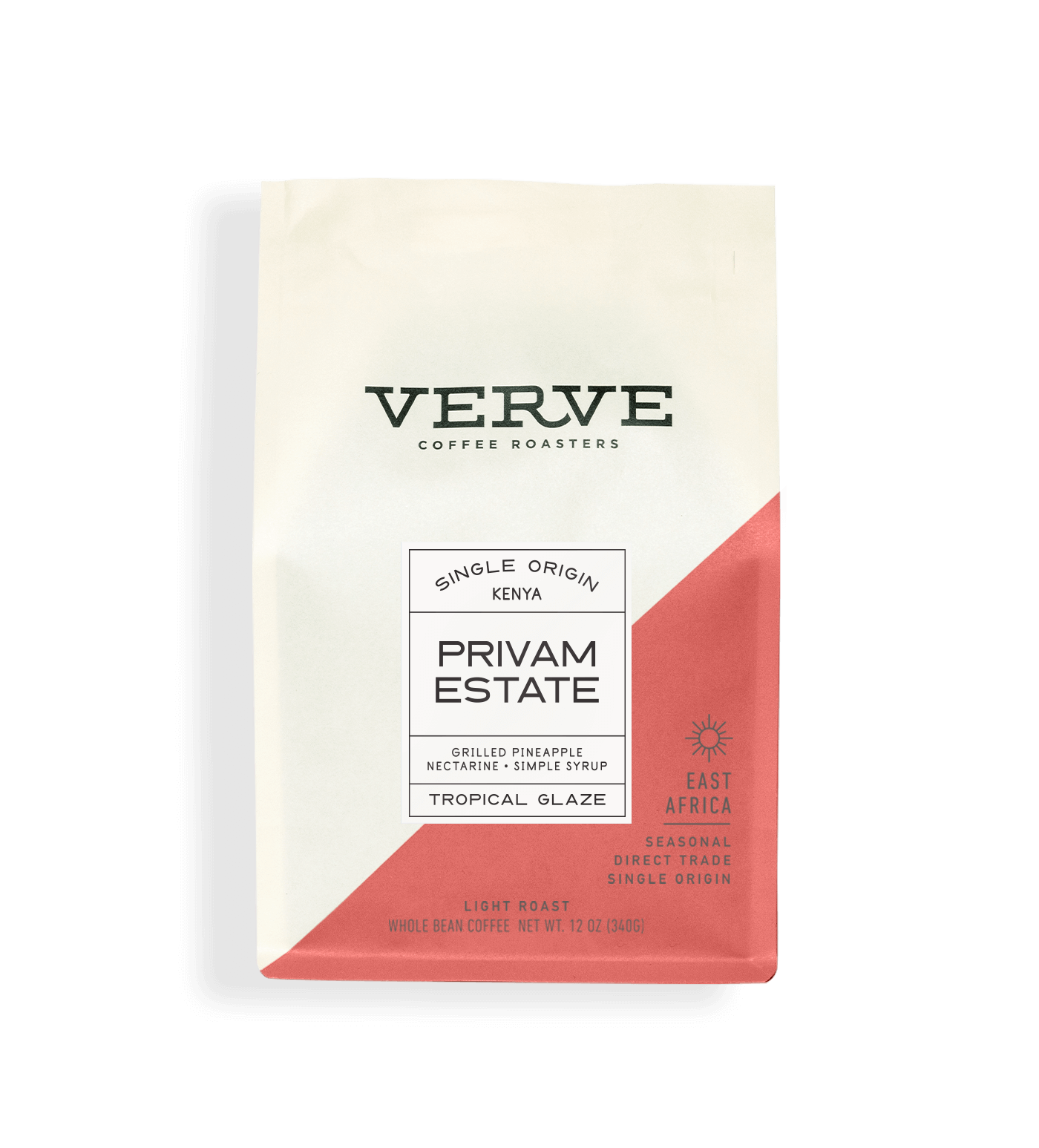
Nearby tagsPrivam EstateBatianKenyaRuiru 11SL28ArabicaDouble washedEmbu County, eastern slopes of Mount KenyaGrilled PineappleLightNectarineSimple SyrupSingle originSL28, SL34, Ruiru 11 and Batian
Quick answer — what is Rita and Patrick Mukundi?
Rita and Patrick Mukundi are the founders and operators of Privam Estate in Embu County, Kenya. Their work is notable for its commitment to high-quality, estate-grown coffee through sustainable polyculture farming and rigorous, independent double-wash processing, challenging the traditional cooperative-dominant model of Kenyan coffee production.
The real story
Rita and Patrick Mukundi founded Privam Estate in 2012, establishing a family-run operation on the eastern slopes of Mount Kenya in Embu County. While the region is historically dominated by smallholder cooperatives, the Mukundis have focused on developing their 23-acre estate, aiming to demonstrate that high-quality, specialty-grade coffee can be achieved at scale through direct control of the entire production cycle. Their journey represents a shift toward independent estate management, allowing them to oversee quality from the tree to the final parchment.
The estate is situated at an elevation of 1,700 meters, where the plants benefit from nutrient-rich volcanic soils. To maintain soil health and provide a balanced microclimate, the Mukundis employ a polyculture system. Coffee plants—including SL-28, SL-34, Batian, and Ruiru 11 varieties—are grown alongside companion crops such as macadamia, corn, bananas, and avocados. The foliage from these trees provides vital shade, allowing the coffee cherries to mature slowly, which is essential for developing the complex, fruity profiles characteristic of high-quality Kenyan coffee.
A cornerstone of their operation is a commitment to sustainable land stewardship. The family avoids the use of herbicides to preserve the integrity of the soil microbiology. This dedication to ecosystem health is complemented by the inclusion of professional agronomists, who help manage tree health and ensure the estate remains productive and resilient against the challenges that have caused national coffee production volumes in the region to decline.
The Mukundis distinguish themselves from many local producers by eschewing the traditional route of selling cherry to centralized cooperatives. Instead, they operate their own processing facilities, enabling them to utilize the labor-intensive double-wash method. This technique, while logistically complex, is highly prized for its ability to produce an exceptionally clean and vibrant cup. The resulting parchment is meticulously dried on raised beds, ensuring consistency in the final product.
For roasters and consumers, the name Rita and Patrick Mukundi has become synonymous with a specific style of Kenyan coffee that balances brightness with structural integrity. Their coffees are often noted for tasting notes such as clementine, cantaloupe, and honey, often characterized by a syrupy texture and classic Kenyan acidity. This direct-trade transparency allows roasters to highlight the specific impact of the Mukundi family’s farming decisions on the sensory profile of the cup.
Today, the Mukundis are recognized for successfully navigating the complexities of Kenyan coffee production while maintaining a focus on quality and family-led innovation. By building their estate for over a decade, they have secured a reputation as producers who prioritize long-term land health and precision processing. Their work stands as a testament to the viability of independent estate operations in a region that has long relied on collective milling, offering a unique example of how individual vision can shape the quality of coffee.
Sources behind this explanation
Coffee reviews & profiles
1 page