Farms & farmers tag
Salazar family
3 pages on this site carry this tag — reviews, profiles, answers and stories. Tags are derived from our documented data, never invented.
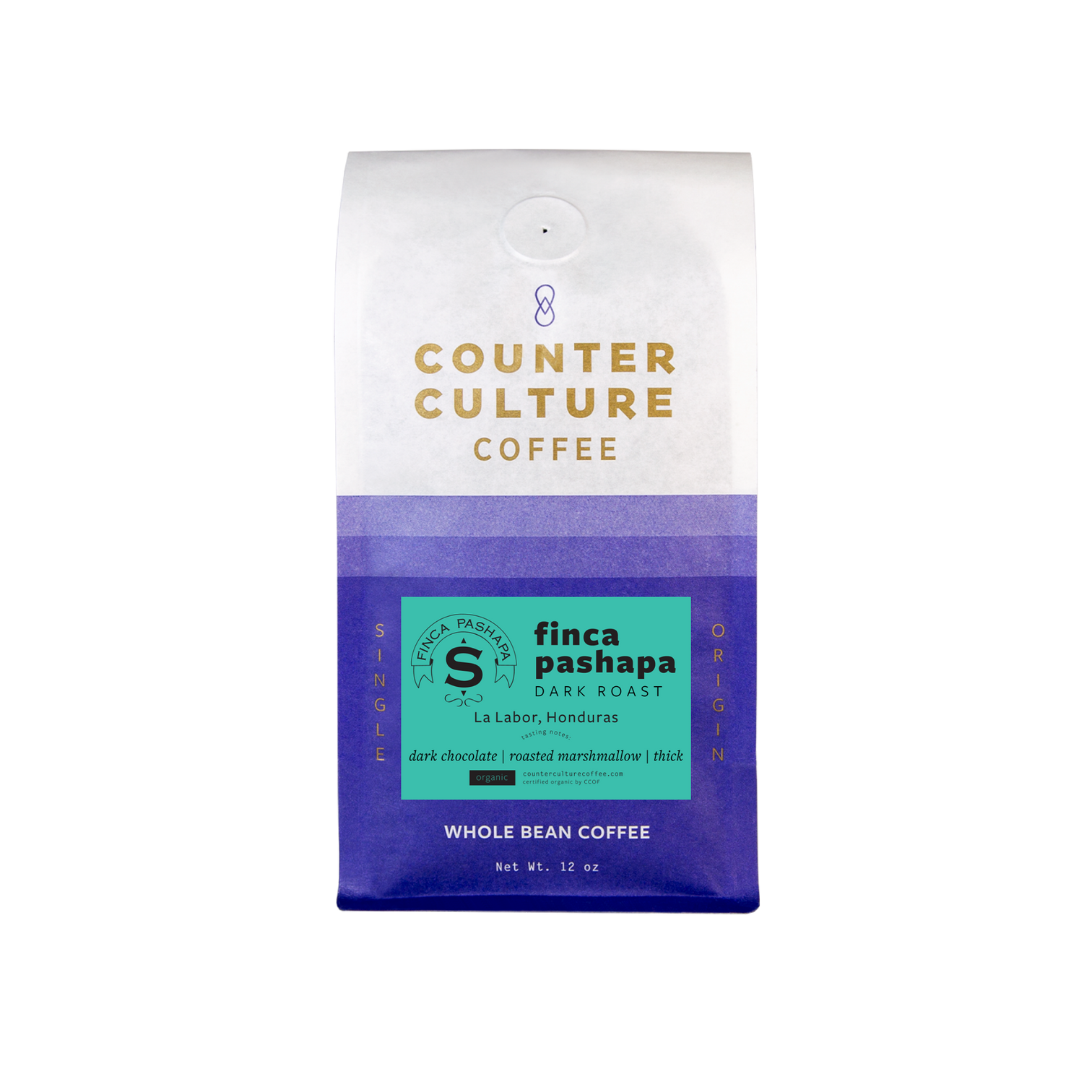
Nearby tagsFinca PashapaBourbonCatuaíHondurasArabicaBourbon, CatuaíDarkdark chocolateOcotepequeroasted marshmallowSingle originSpecialtythickWashed
Quick answer — what is Salazar family?
The Salazar family tag refers to multi-generational coffee-producing lineages, most notably the Salazar family of Zarcero, Costa Rica, and the Salazar family of Pashapa. These producers are recognized for their commitment to vertical integration, quality-focused processing, and the preservation of family-owned land through specialized micromills and sustainable farming practices.
The real story
The Salazar family name in specialty coffee is most prominently associated with a multi-generational project in the West Valley of Costa Rica, specifically in Zarcero, Alajuela. The family's history in the region traces back to the 1950s with Cristóbal Salazar, who first began cultivating coffee. This legacy was carried forward by his descendants, Claudio and Danilo Salazar, who eventually provided the foundational support for their sons—Max, Cristian, and Greivin—to establish the Salazar micromill in 2016. This transition marked a strategic shift toward greater control over the coffee value chain, allowing the family to process their own harvests and maximize quality through precise, modern techniques.
The Salazar micromill in Zarcero serves as a hub for the family's collective efforts. By managing their own milling operations, the cousins are able to experiment with diverse processing methods, such as anaerobic natural processes, which have gained significant attention in the specialty market. The project is defined by a collaborative structure where individual family members manage specific farm plots, ensuring that the unique terroir of each site is preserved and reflected in the final cup. This hands-on approach to production, from seedling to drying, is a hallmark of their commitment to specialty-grade output.
Beyond the Costa Rican operations, the Salazar name is also established in other coffee-growing regions, such as the Pashapa area. In this context, the family history is equally deep, with records indicating that the Salazar family were among the first to cultivate coffee in the region. Mauricio Salazar, the current steward of Finca Meson, inherited his land from his father, Jorge Salazar, continuing a tradition that dates back to his mother, Socorro Salazar, who began farming the land in 1965. This lineage highlights the enduring nature of family-run coffee production, where knowledge and land are passed down through generations.
The structure of these family operations often involves multiple siblings or cousins working adjacent plots, which collectively form larger estates. For instance, in Pashapa, Mauricio and his five brothers manage individual plots that comprise the larger Finca Pashapa, totaling 32 hectares. This model of cooperative family farming allows for shared resources and a unified approach to agricultural standards, such as organic practices and the cultivation of specific varieties like Parainema, while maintaining the autonomy of individual family plots.
For the roaster and the consumer, the Salazar tag represents a guarantee of traceability and intentionality. Because these families manage their own production chains, they are able to provide detailed information regarding the varieties grown, the specific drying techniques employed, and the environmental stewardship practiced on their farms. This transparency is a critical component of the specialty coffee movement, as it connects the drinker directly to the specific history and labor of the producers.
Ultimately, the story of the Salazar family is one of adaptation and continuity. Whether through the establishment of modern micromills in Costa Rica or the maintenance of historic family plots in other regions, the family's focus remains on excellence and the long-term viability of their land. By integrating traditional farming wisdom with modern processing innovations, the Salazar family continues to shape the specialty coffee landscape, ensuring that their generational experience remains relevant in an evolving global market.
Coffee reviews & profiles
1 page