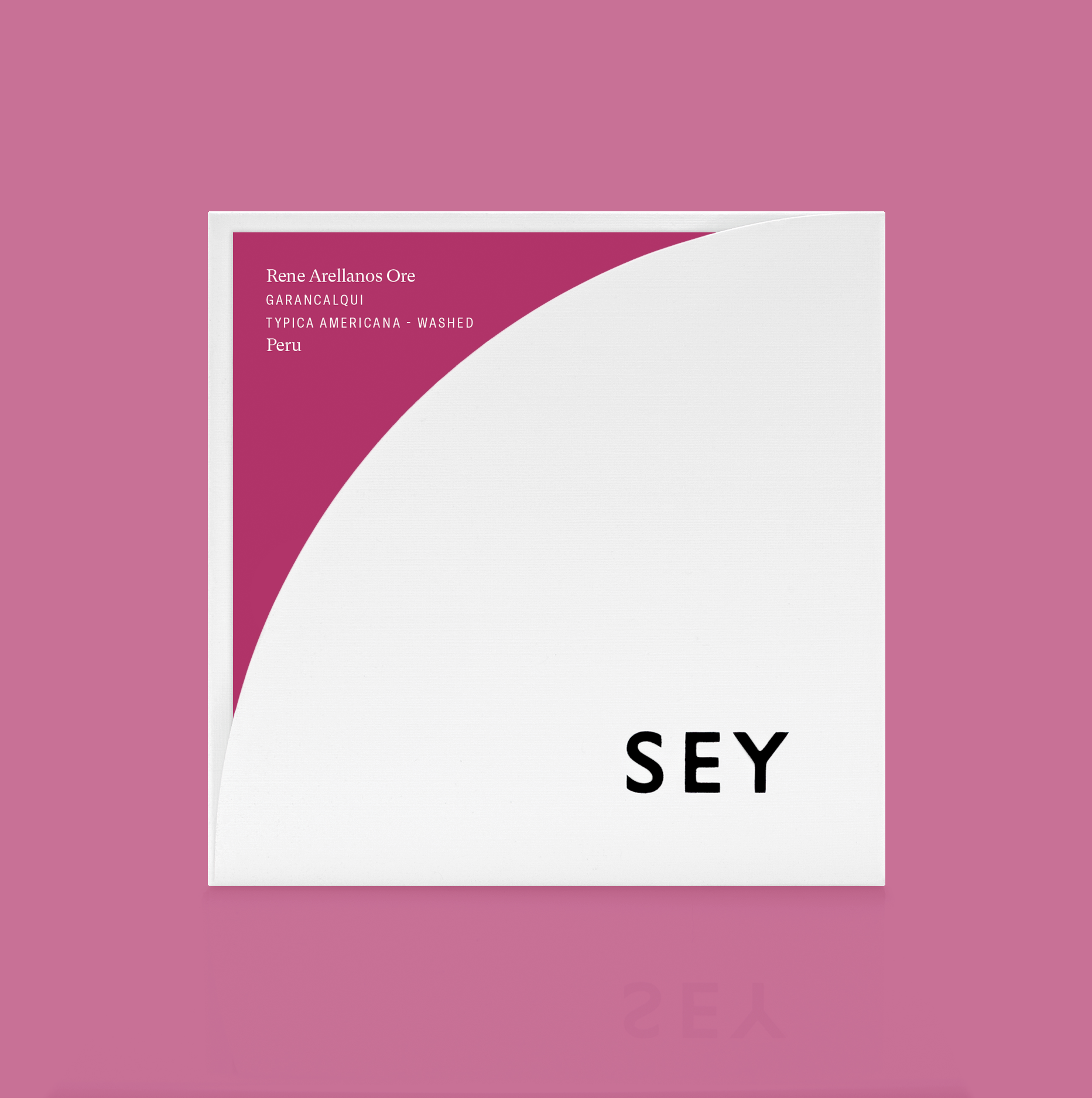
Tasting notes tag
salted plum
1 page on this site carry this tag — reviews, profiles, answers and stories. Tags are derived from our documented data, never invented.
Nearby tagsapricotArabicaIncahuasijam-like sweetnessRene Arellanos OreSingle originSpecialtyTypica Americana
Quick answer — what is salted plum?
Salted plum is a sophisticated sensory descriptor used to identify a specific combination of savory salinity and stone-fruit acidity in coffee. It typically signals a complex, high-quality cup where fermentation-derived acids and terroir-driven mineral notes intersect, often found in high-altitude, meticulously processed lots.
The real story
The descriptor 'salted plum' represents a nuanced intersection of sensory perception, where the taster identifies both the tart, fleshy sweetness of stone fruit and a distinct, savory saline quality. In the context of the Specialty Coffee Association (SCA) Flavor Wheel, this falls under the 'fruity' and 'other' categories, often bridging the gap between bright acidity and savory complexity. It is rarely a primary note but rather a sophisticated secondary characteristic that elevates a coffee's profile beyond simple sweetness.
At the chemical level, this flavor is a product of the coffee's inherent phenolic compounds and organic acids. Stone fruit notes, such as plum, are often linked to the presence of specific esters and lactones that develop during the maturation of the coffee cherry. When these compounds are preserved through careful processing, they provide the 'plum' foundation. The 'salted' component is more elusive, often attributed to the presence of specific minerals in the soil—terroir—or the result of controlled fermentation processes that concentrate organic acids and salts within the bean.
Processing methods play a critical role in the emergence of this note. Experimental fermentation techniques, such as anaerobic or carbonic maceration, can significantly alter the precursor compounds in the mucilage. By controlling the microbial environment, producers can influence the development of lactic and acetic acids, which, when balanced against the natural sugars of the bean, create a savory-sweet tension that tasters frequently identify as salted plum or preserved fruit.
Roast profile is equally vital to the expression of this note. Because salted plum relies on the preservation of delicate, volatile aromatic compounds and specific organic acids, it is most commonly found in light-to-medium roasts. Excessive heat during the Maillard reaction or caramelization phases can easily mask these subtle fruit notes with heavier, roasty flavors. A light roast allows the original acids—such as malic or citric acid—to remain prominent, providing the necessary structure for the plum-like acidity to shine.
Geographically, this note is frequently associated with high-altitude origins where slow maturation allows for a higher concentration of sugars and acids. Coffees from regions like Kenya or specific high-elevation micro-lots in Ethiopia and Colombia are often cited for their complex, fruit-forward profiles that can exhibit these savory-sweet characteristics. The presence of this note often indicates a high level of agricultural and processing precision, as it requires a delicate balance to avoid the coffee becoming overly sour or excessively fermented.
For the drinker, identifying salted plum requires an appreciation for the 'finish' of the cup. While the initial aroma may be floral or sweet, the salted plum note often reveals itself in the mid-palate and aftertaste, where the acidity lingers and the savory quality provides a mouth-watering sensation. It is a hallmark of a 'complex' coffee, suggesting that the producer has successfully managed the fermentation and drying stages to highlight the bean's inherent chemical potential.
Ultimately, the salted plum descriptor serves as a testament to the evolution of specialty coffee. As our understanding of coffee chemistry and sensory science deepens, we move away from broad categories toward more precise, evocative language. This tag represents the industry's commitment to documenting the intricate, multi-layered experiences that occur when terroir, variety, and human intervention align perfectly in the cup.
Sources behind this explanation
- https://coffeeannan.com/en/blogs/blog/geschmacksprofile-von-kaffee-herkunft-aromen-amp-einflussfaktoren
- https://mandarin-mandarin-krab.squarespace.com/s/SCA_Sensory-Cupping_Handbook_Digital_secure_21_09.pdf
- https://en.gafei.com/coffee136068.html
- https://www.e-cafebank.com/blogs/coffee-origins/fruit-fermentation-processing-method-in-coffee
- https://darkmatterroasters.com/blogs/dark-matter-roasters-education/the-science-of-light-roasting-chemical-changes-and-flavour-development
Coffee reviews & profiles
1 page