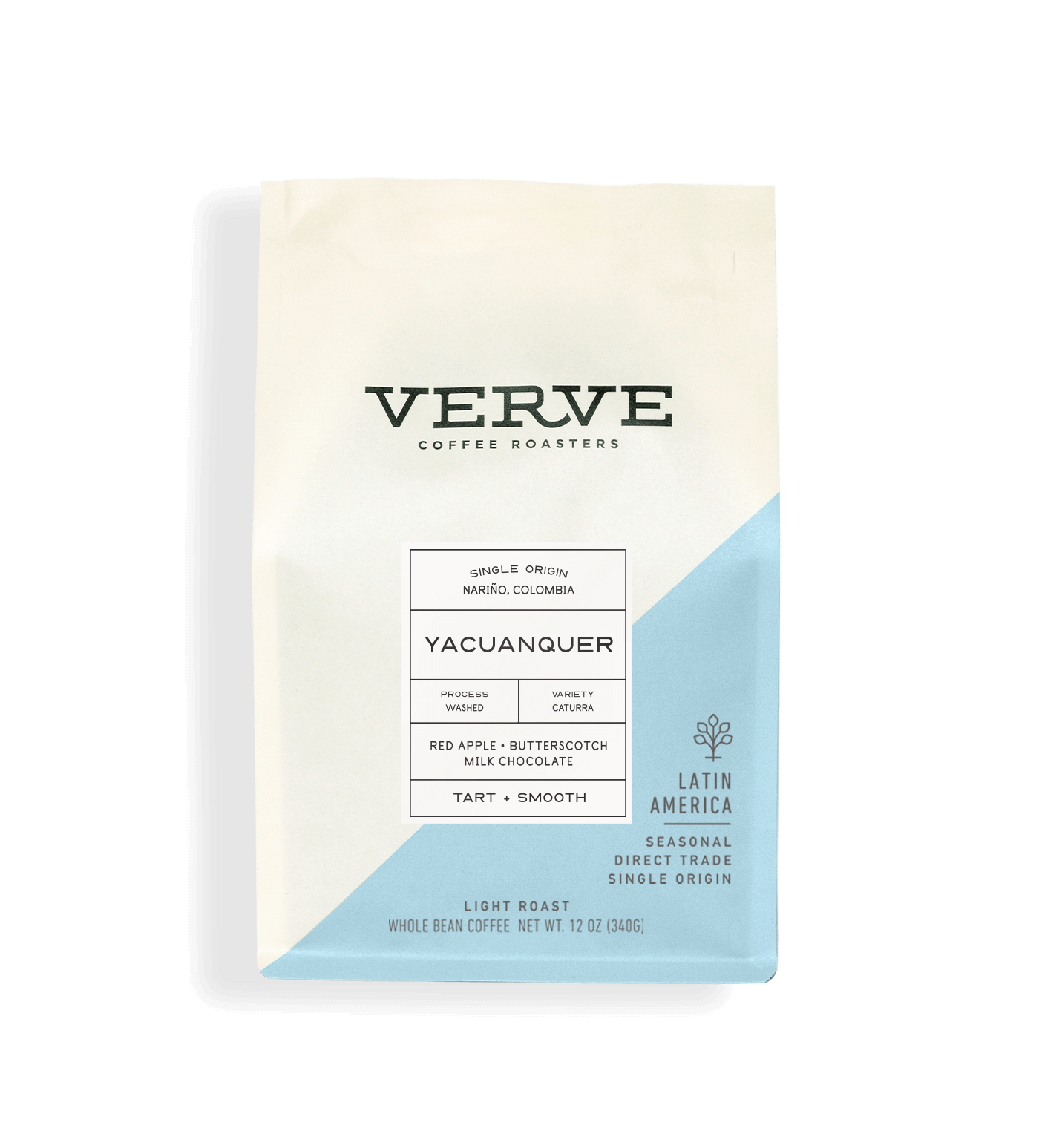
Farms & farmers tag
Smallholding producers across Yacuanquer municipality
1 page on this site carry this tag — reviews, profiles, answers and stories. Tags are derived from our documented data, never invented.
Nearby tagsArabicaButterscotchCaturraLightMilk ChocolateRed AppleSingle originSpecialtyYacuanquer, Nariño
Quick answer — what is Smallholding producers across Yacuanquer municipality?
Smallholding producers in Yacuanquer, Nariño, represent the backbone of high-altitude Colombian specialty coffee production. These farmers leverage the region's unique volcanic soils and extreme elevations to produce coffees characterized by vibrant acidity, red fruit sweetness, and a creamy body, often through collaborative social programs that emphasize quality-focused harvesting.
The real story
Yacuanquer is a municipality located in the Nariño Department of Colombia, a region globally recognized for its exceptional coffee-growing conditions. Coffee production here is defined by the smallholder model, where families have cultivated coffee for generations on steep, high-altitude terrain. These farms typically operate at elevations ranging from 1,800 to 2,200 meters above sea level, placing them among the highest coffee-producing areas in the world. This extreme altitude, combined with the region's volcanic soil and cool, misty Andean climate, creates a distinct terroir that slows the maturation of the coffee cherry, allowing for the development of complex sugars and acids.
The coffee produced by these smallholders is frequently celebrated for its sensory profile, which often includes notes of red fruit, plum, cherry, and chocolate, balanced by a characteristic creamy body. Because the majority of coffee in Nariño is grown on small plots, the industry relies heavily on the expertise of these individual families who manage every stage of the process, from selective hand-harvesting to on-farm wet milling. This intimate connection between the producer and the land is a hallmark of the Nariño coffee identity.
In recent years, Yacuanquer has become a focal point for initiatives aimed at improving the economic and qualitative outcomes for smallholders. Some producers participate in specialized social programs, such as the 'Picker's Project,' which seeks to optimize harvesting practices by integrating farm labor into the formal economy. By incentivizing the picking of only perfectly ripe cherries, these programs directly influence the quality of the final cup, ensuring that the inherent potential of the high-altitude terroir is fully realized.
Processing in Yacuanquer typically follows the traditional washed method, though producers often employ specific techniques to enhance the cup's sweetness. A common practice involves a 'rolling mucilage' fermentation, where the coffee is fermented for 18 to 22 hours. This controlled fermentation process is designed to highlight the natural sweetness of the bean while maintaining the vibrant, clean acidity that has made Nariño coffee a staple in the specialty market.
Research into the region's agroecology highlights that cup quality in Nariño is not merely a product of variety, but a complex interaction between altitude, microclimate, and post-harvest processing. Studies conducted in the department have analyzed how different altitudinal ranges—specifically those above 1,700 meters—impact the chemical composition of varieties like Castillo. These findings underscore why Yacuanquer’s specific geography is so highly valued by roasters and consumers seeking high-quality, single-origin lots.
For the drinker, coffee from Yacuanquer represents the intersection of traditional agricultural heritage and modern specialty standards. For the roaster, it offers a consistent, high-scoring product that reflects the dedication of small-scale farmers. As the global coffee industry continues to prioritize traceability and sustainability, the smallholders of Yacuanquer stand as a vital example of how localized, high-altitude farming can produce world-class coffee while supporting the livelihoods of the families who steward the land.
Sources behind this explanation
- https://dialnet.unirioja.es/descarga/articulo/8248088.pdf
- https://en.wikipedia.org/wiki/Yacuanquer
- https://www.gocoffeego.com/products/roseline-coffee-colombia-yacuanquer
- https://coffeegreenbeans.com/blogs/forest-blog/narino-discover-the-journey-of-this-amazing-region-in-colombia
- https://worldcoffeeresearch.org/es
Coffee reviews & profiles
1 page