Origins tag
Uraga, Guji Zone
1 page on this site carry this tag — reviews, profiles, answers and stories. Tags are derived from our documented data, never invented.
Quick answer — what is Uraga, Guji Zone?
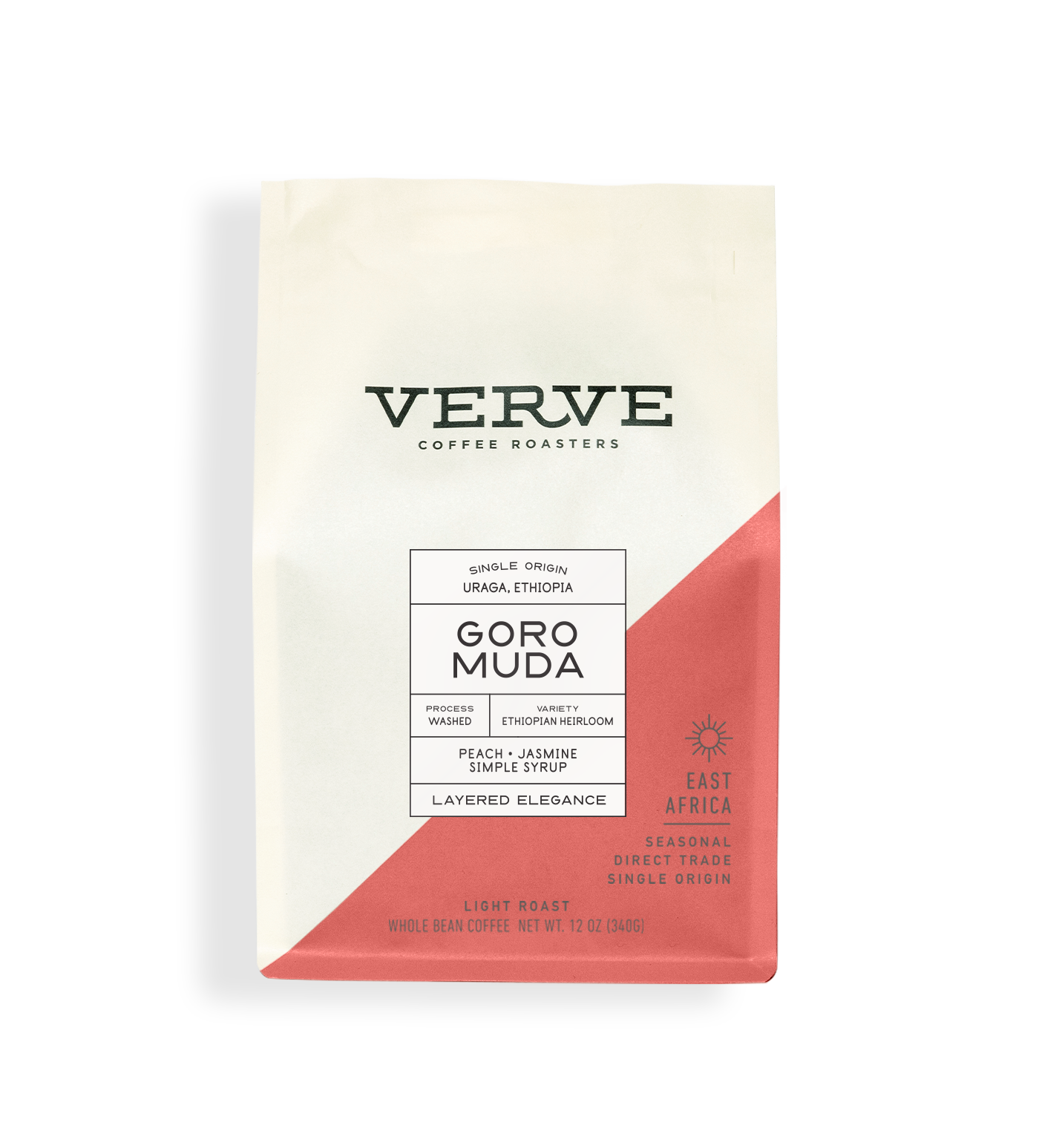
Uraga is a high-altitude woreda within Ethiopia's Guji Zone, renowned for producing some of the country's most refined and complex specialty Arabica coffees. It is highly valued by roasters for its ability to yield elegant, floral, and intensely aromatic cup profiles, often reaching elevations above 2,300 meters.
The real story
Uraga is a distinguished coffee-growing woreda located within the Guji Zone of Ethiopia’s Oromia Region. While the broader Guji Zone was historically categorized under the Sidamo umbrella, it gained formal recognition as an independent coffee-producing origin in 2010. Uraga, alongside neighboring areas like Hambela and Shakiso, has since emerged as a premier sub-region, celebrated for its exceptional high-altitude conditions that distinguish it from other Ethiopian origins.
The coffee landscape in Uraga is defined by its extreme elevation, with many farms and washing stations situated at or above 2,300 meters above sea level. This high-altitude environment, combined with nutrient-rich volcanic soils and a temperate climate, forces coffee cherries to mature slowly. This extended maturation period is critical for the development of dense, sugar-rich beans, which ultimately translate into the clarity, sweetness, and layered complexity that specialty buyers seek.
Cultivation in Uraga relies heavily on traditional smallholder practices. Most producers manage plots of less than two hectares, where coffee is grown under a canopy of indigenous forest trees without the use of synthetic fertilizers or pesticides. The genetic diversity of the region is significant, featuring a mix of indigenous heirloom landraces that have evolved in the area for generations, alongside specific disease-resistant selections developed by the Jimma Agricultural Research Center (JARC), such as 74110 and 74112.
Processing in Uraga is as diverse as the region's microclimates. While traditional washed and natural processes remain the standard, the region has become a hub for experimental techniques, including anaerobic fermentation and carbonic maceration. These methods are often employed to highlight the inherent floral and stone-fruit characteristics of the local varieties, resulting in cups that exhibit intense aromatics, crisp acidity, and a syrupy, refined mouthfeel.
The harvest calendar in Uraga follows the broader Ethiopian cycle, typically occurring in the latter half of the year. Because the region is characterized by smallholder production, the infrastructure is centered around local washing stations where farmers deliver their hand-picked cherries. These stations play a vital role in maintaining quality, as they manage the meticulous sorting, fermentation, and drying processes required to meet the high standards of the specialty export market.
For the specialty coffee industry, Uraga represents a shift toward greater traceability and regional specificity. Since the liberalization of Ethiopia's coffee trade, roasters have been able to source directly from specific washing stations or cooperatives in Uraga, moving away from the anonymous blending that once defined Ethiopian exports. This transparency allows for a deeper appreciation of the terroir, as the distinct, elegant profiles of Uraga coffee are no longer masked by broader regional labels.
Today, Uraga stands as a benchmark for quality within the Guji Zone. Its reputation is built on a foundation of high-altitude excellence and a commitment to traditional, manual cultivation methods. As the global demand for high-scoring, unique Ethiopian coffees continues to grow, Uraga remains a focal point for roasters looking to offer their customers a sophisticated, terroir-driven experience that reflects the rich coffee heritage of the Oromia highlands.
Sources behind this explanation
- https://hambelacoffees.com/about-guji-coffee
- https://guji-coffee.com/blog/guji-coffee-beans-what-to-know
- https://www.coffeereview.com/review/ethiopia-guji-uraga-anaerobic-washed
- https://guji-coffee.com/profiles
- https://www.coffee-origins.com/product-page/uraga-guji
- https://sucafina.com/emea/offerings/uraga-guji-carbonic-maceration
- https://guji-coffee.com/
- http://synamera.eu/News/Guji-Coffee-The-High-Altitude-Ethiopian-Arabica-Origin-Behind-Sweet-Complex-Specialty-Cups.html
- https://www.coffeester.com/knowledge/geography/regions/ethiopia-guji
- https://en.gafei.com/coffee138444.html
Coffee reviews & profiles
1 page