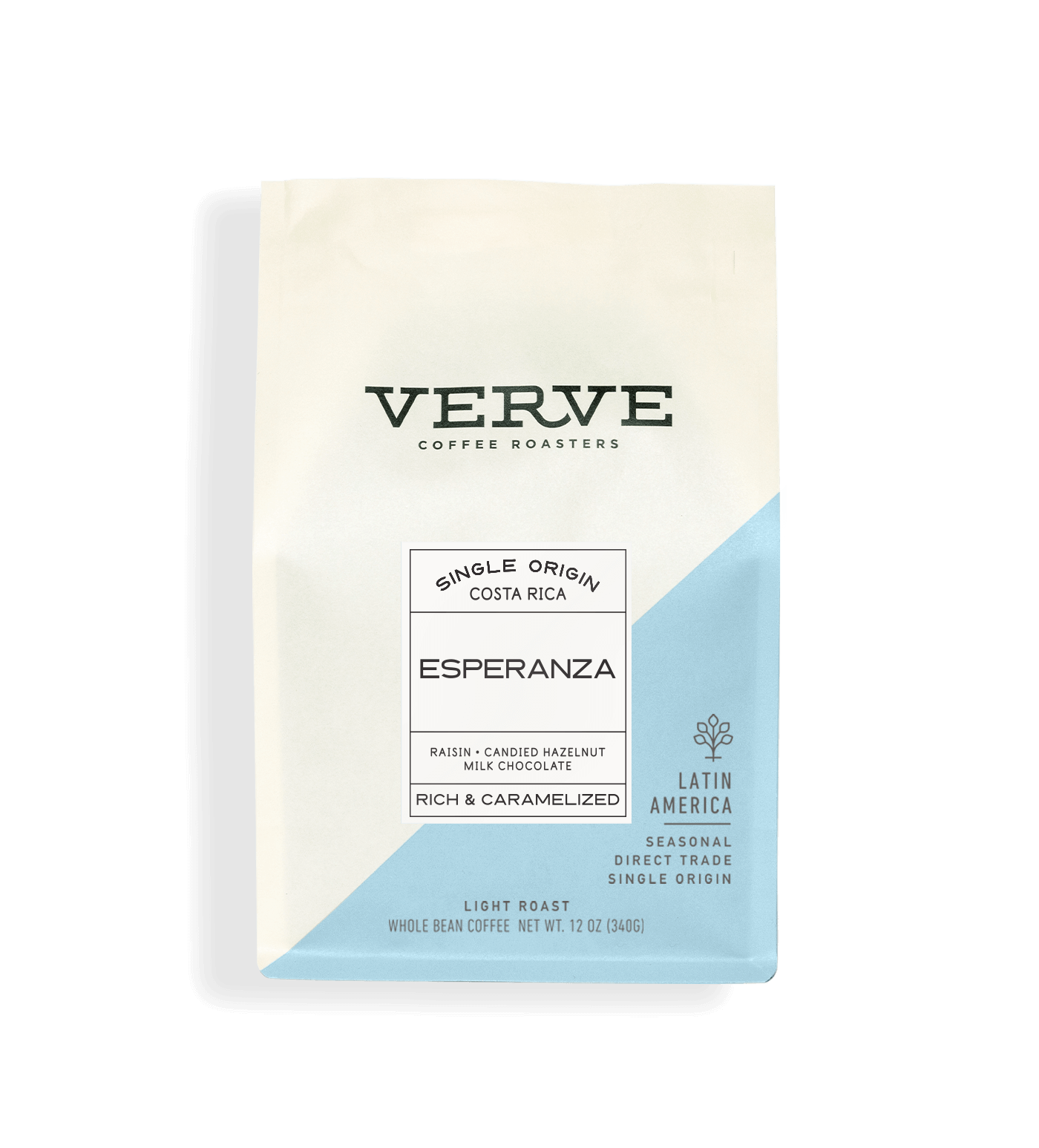
Varieties tag
Various cultivars
1 page on this site carry this tag — reviews, profiles, answers and stories. Tags are derived from our documented data, never invented.
Nearby tagsArabicaCandied HazelnutCOOPELDOS R.L.LightMilk ChocolateNot specifiedRaisinSingle originTilarán, Abangares, and Monteverde highlands
Quick answer — what is Various cultivars?
The term 'various cultivars' refers to the diverse range of distinct coffee varieties—such as Typica, Bourbon, or modern hybrids—grown globally. Understanding these cultivars is essential because each possesses unique genetic traits that dictate a plant's disease resistance, yield potential, environmental adaptability, and final cup quality, directly influencing both farm profitability and sensory experience.
The real story
In the context of coffee production, a cultivar is a specific plant variety selected for desirable characteristics, such as flavor profile, yield, or resilience to environmental stressors. While the species Coffea arabica originated in Ethiopia, centuries of human cultivation and natural mutation have resulted in a vast array of distinct cultivars. These range from ancient landraces, which evolved naturally in their native environments, to modern hybrids developed through intentional breeding programs to combat specific threats like coffee leaf rust or coffee berry disease.
The genetic lineage of these plants is often complex. Many traditional varieties, such as Typica and Bourbon, form the foundation of global coffee production. However, as the industry faced increasing pressure from pests and climate change, breeders began 'introgressing' genes from other sources. For example, the IPR 103 cultivar was developed by crossing Catuaí Vermelho with Dwarf Icatu—the latter being a hybrid of Arabica and Robusta—to create a plant capable of thriving in poor soils and hot climates. This illustrates how modern breeding seeks to combine the high quality of Arabica with the hardiness of other genetic lines.
In the field, the physical characteristics of a cultivar are critical to a farmer's success. Some varieties, like the tall SL14, are prized for their drought tolerance, while others are bred for compact stature to allow for high-density planting. A cultivar's 'rusticity'—its ability to withstand harsh conditions—determines whether it can survive in a specific microclimate. Producers must carefully weigh these agronomic traits against the potential market value of the coffee, as some high-quality varieties are notoriously fragile and require significant inputs to remain productive.
Disease resistance is perhaps the most significant driver of modern cultivar selection. Varieties like Java, which is a selection from an Ethiopian landrace, were specifically identified and promoted for their partial tolerance to coffee berry disease. By providing farmers with varieties that require fewer chemical inputs, research organizations like World Coffee Research aim to improve the livelihoods of smallholders while ensuring the long-term sustainability of the global coffee supply.
For the roaster and the consumer, the cultivar is a primary determinant of the cup profile. While terroir and processing play significant roles, the genetic potential of the coffee cherry sets the baseline for acidity, body, and flavor complexity. For instance, Bourbon-type cultivars are frequently celebrated for their sweetness and balanced acidity, whereas other varieties may be selected specifically for their large bean size or unique aromatic compounds. This genetic diversity is what allows for the wide spectrum of flavors found in specialty coffee today.
Ultimately, the study of various cultivars is an ongoing effort to balance the needs of the plant, the farmer, and the market. As climate change alters traditional growing regions, the industry is increasingly turning to genetically diverse F1 hybrids and resilient selections to maintain production. By documenting these varieties, researchers provide the data necessary for farmers to make informed decisions, ensuring that the coffee industry can continue to provide high-quality products while adapting to an unpredictable future.
Sources behind this explanation
- https://varieties.worldcoffeeresearch.org/varieties/ipr-103
- https://varieties.worldcoffeeresearch.org/varieties/sl14
- https://varieties.worldcoffeeresearch.org/varieties/java
- https://sca.coffee/research/coffee-plants-of-the-world
- https://varieties.worldcoffeeresearch.org/arabica
- https://cdn2.assets-servd.host/worldcoffee-research/production/pdf/catalogEnglish/Combined/complete-1769602232.pdf?dm=1769602232
Coffee reviews & profiles
1 page