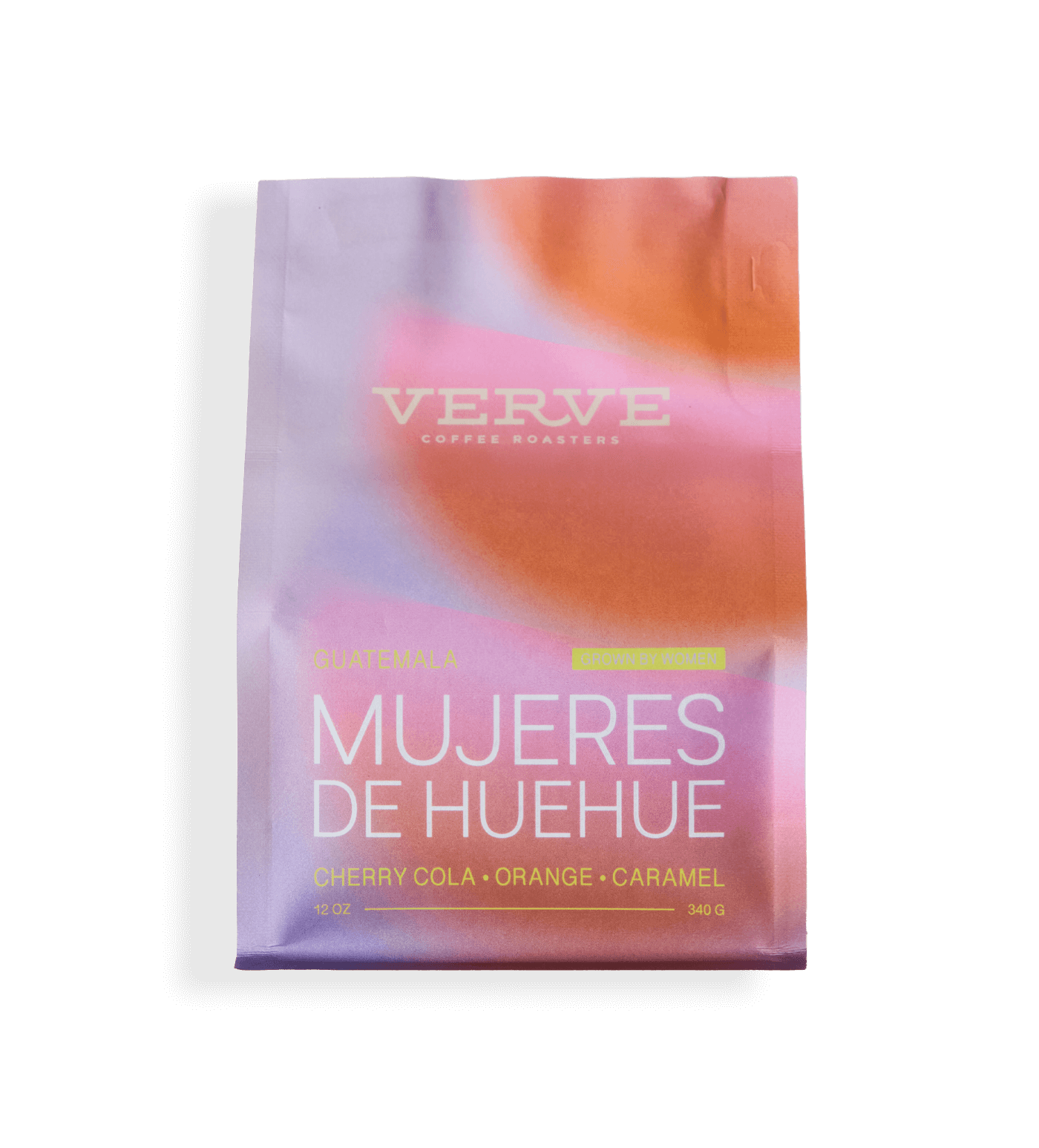
Farms & farmers tag
Various women in Huehuetenango
1 page on this site carry this tag — reviews, profiles, answers and stories. Tags are derived from our documented data, never invented.
Nearby tagsArabicaCaramelCaturra, Catuaí, and BourbonCherry ColaHuehuetenangoLightOrangeSingle originSpecialty
Quick answer — what is Various women in Huehuetenango?
The tag 'Various women in Huehuetenango' refers to the significant population of female coffee producers in this high-altitude Guatemalan region who manage farms and cooperatives. These women are central to the local economy, often assuming full responsibility for land management and processing due to high rates of male migration, and are increasingly recognized through specialized certifications and gender-equity initiatives that promote their leadership and economic independence.
The real story
Huehuetenango, located in the western highlands of Guatemala, is a renowned coffee-growing region characterized by its mountainous terrain and high altitudes. Within this landscape, women play a critical role in the coffee sector, often serving as the primary stewards of the land. This demographic shift is largely attributed to the migration of men to the United States, which has left women to manage both their households and the complex demands of coffee cultivation, from harvesting to processing.
Organizations such as ACODIHUE, founded in 1996, have been instrumental in formalizing the contributions of these producers. Approximately 80% of the coffee produced by ACODIHUE is grown by indigenous women in the Cuchumatanes mountains. To recognize their labor and economic impact, the cooperative established the 'Manos de Mujer' (Women’s Hands) certification. This designation represents a refined, limited selection of the cooperative's annual yield, highlighting the specific lots managed by women who participate in leadership and self-esteem development programs.
Similarly, the Union of Small Scale Producers, formed in 1998, features a dedicated women’s group established in 2000. This group is notable for its comprehensive approach to the coffee value chain, as its members manage the entire process from picking and processing to roasting, packing, and exporting. With over 60 members, this group serves as a model for gender equality, providing training that extends beyond agricultural techniques to include legal and social services, thereby fostering greater autonomy for its participants.
For the coffee industry, these initiatives represent a shift toward greater traceability and social equity. By separating lots produced by women, cooperatives and roasters can provide consumers with a direct connection to the producers. This practice not only highlights the unique entrepreneurial skills of these women but also ensures that the economic benefits of specialty coffee are more equitably distributed within the community.
In practice, the work performed by these women is highly technical. In addition to traditional cultivation, women in the region are frequently involved in precision agricultural techniques such as root grafting, which has become a vital response to the challenges posed by climate change. This manual, skilled labor is essential for maintaining the health and productivity of coffee plants in the volatile climate of the Guatemalan highlands.
Ultimately, the 'Various women in Huehuetenango' tag serves as a marker of resilience and professional advancement. It signifies a departure from traditional, male-dominated structures in the Guatemalan coffee sector. For the drinker, it represents a commitment to supporting gender equality and sustainable rural development, ensuring that the individuals who perform the arduous work of coffee production are recognized, empowered, and fairly compensated for their expertise.
Sources behind this explanation
Coffee reviews & profiles
1 page