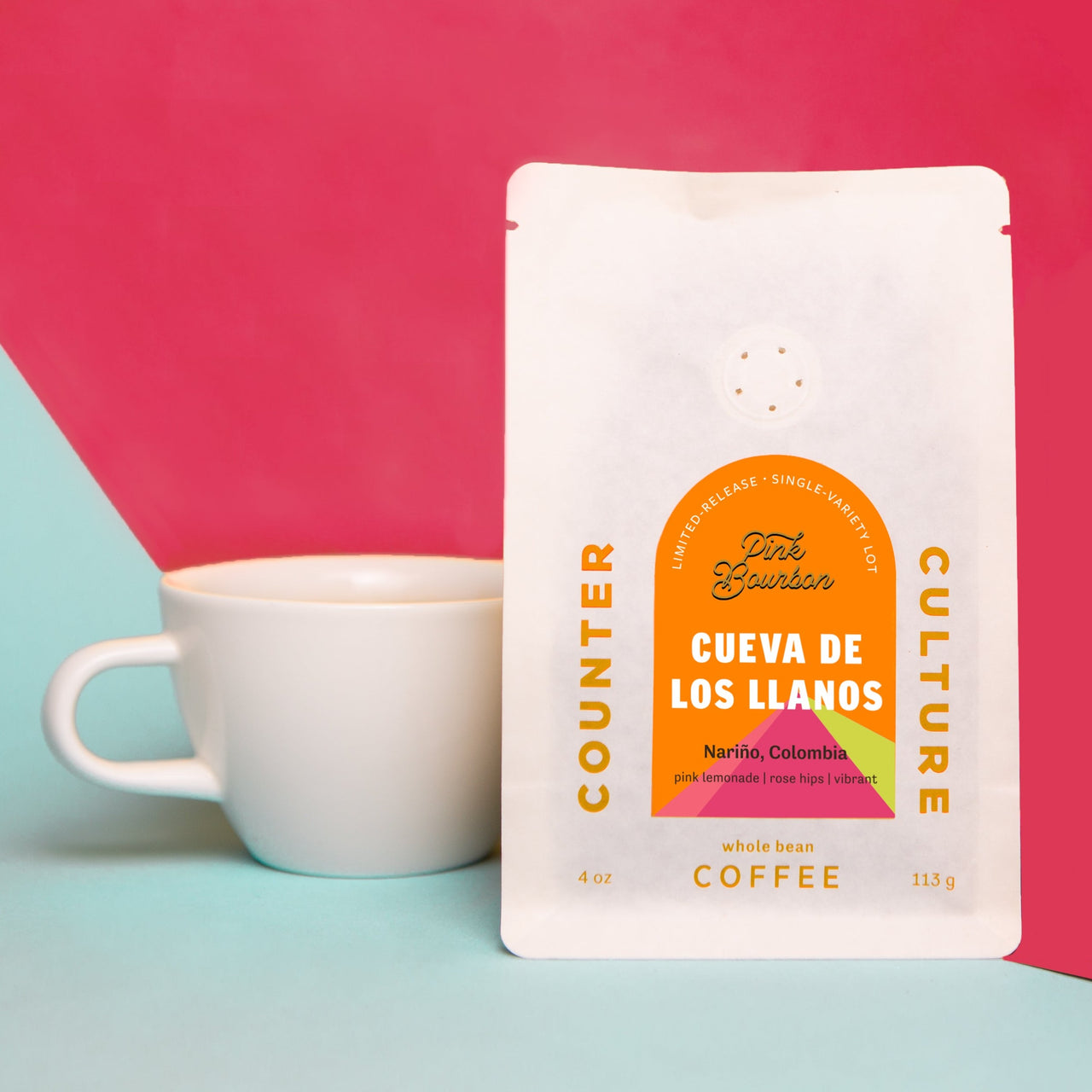
Tasting notes tag
vibrant
1 page on this site carry this tag — reviews, profiles, answers and stories. Tags are derived from our documented data, never invented.
Quick answer — what is vibrant?
In specialty coffee, the term 'vibrant' is a qualitative descriptor used to characterize a coffee with high, lively, and well-defined acidity. It signifies a cup that is bright, energetic, and structurally complex, distinguishing it from coffees that are flat, dull, or dominated by bitterness.
The real story
The term 'vibrant' serves as a sensory shorthand in the specialty coffee industry to describe a specific, positive expression of acidity. While not a chemical compound itself, 'vibrant' acts as a descriptor for the perceived intensity and quality of organic acids—such as citric, malic, and acetic acids—present in the brewed cup. When a taster labels a coffee as vibrant, they are identifying a lively, sparkling, or 'bright' sensation on the palate that provides structure and brilliance to the coffee's overall flavor profile.
At the chemical level, this vibrancy is rooted in the presence of non-volatile organic acids that survive the roasting process. These acids are inherent to the coffee bean, influenced heavily by the variety, the terroir in which the coffee was grown, and the specific processing methods employed at the farm. High-altitude cultivation, for instance, often slows the maturation of the coffee cherry, allowing for a higher concentration of these acids, which contributes to the perceived 'vibrancy' in the final brew.
Processing plays a critical role in how these acids are expressed. Washed coffees, which are stripped of their fruit pulp before drying, often highlight the clean, crisp, and vibrant qualities of the bean's internal chemistry. Conversely, natural or honey-processed coffees may mask these vibrant notes with heavier, fruit-forward, or fermented characteristics. The roaster’s role is to preserve these delicate compounds; if a roast is too dark, the Maillard reactions and subsequent caramelization will overwhelm the organic acids, effectively muting the vibrancy and replacing it with deeper, bitter, or carbonized notes.
In the context of professional sensory evaluation, 'vibrant' is often associated with the positive scoring of acidity within the Specialty Coffee Association (SCA) grading protocols. Unlike 'sourness,' which can imply an unpleasant or unbalanced experience, 'vibrant acidity' is a sought-after attribute that adds a refreshing, wine-like quality to the cup. It is a hallmark of high-quality specialty coffee, signaling that the bean has been cultivated, processed, and roasted with the intent to showcase its inherent, complex character.
For the drinker, recognizing vibrancy requires focusing on the tactile and gustatory sensations on the sides of the tongue. A vibrant coffee often feels 'snappy' or 'clean,' leaving a lingering, pleasant brightness rather than a heavy or flat finish. It is frequently found in coffees from regions known for high-acidity profiles, such as East Africa, where the combination of specific cultivars and high-elevation growing conditions naturally promotes the development of these bright, energetic flavor compounds.
Ultimately, the use of 'vibrant' as a descriptor helps bridge the gap between the producer and the consumer. By using standardized terminology—often aligned with the WCR Sensory Lexicon and the SCA Coffee Taster’s Flavor Wheel—professionals can communicate the specific character of a coffee across the supply chain. It transforms the abstract experience of tasting into a precise, shared language, ensuring that the nuance of a vibrant cup is recognized and valued by everyone from the farmer to the final drinker.
Sources behind this explanation
- https://www.peets.com/blogs/peets/the-terminology-of-coffee-tasting-notes
- https://library.sweetmarias.com/tasteterms
- https://ora.ox.ac.uk/objects/uuid:517c3980-7e53-462b-a6f0-a92d6131142f/files/m82a82373a69c00fbb51e8be69563fcec
- https://worldcoffeeresearch.org/resources/sensory-lexicon
- https://japanesecoffeeco.com/blogs/japanese-coffee-blog/coffee-flavor-terminology-everything-you-need-to-know
Coffee reviews & profiles
1 page