Origins tag
Argelia, Cauca
1 page on this site carry this tag — reviews, profiles, answers and stories. Tags are derived from our documented data, never invented.
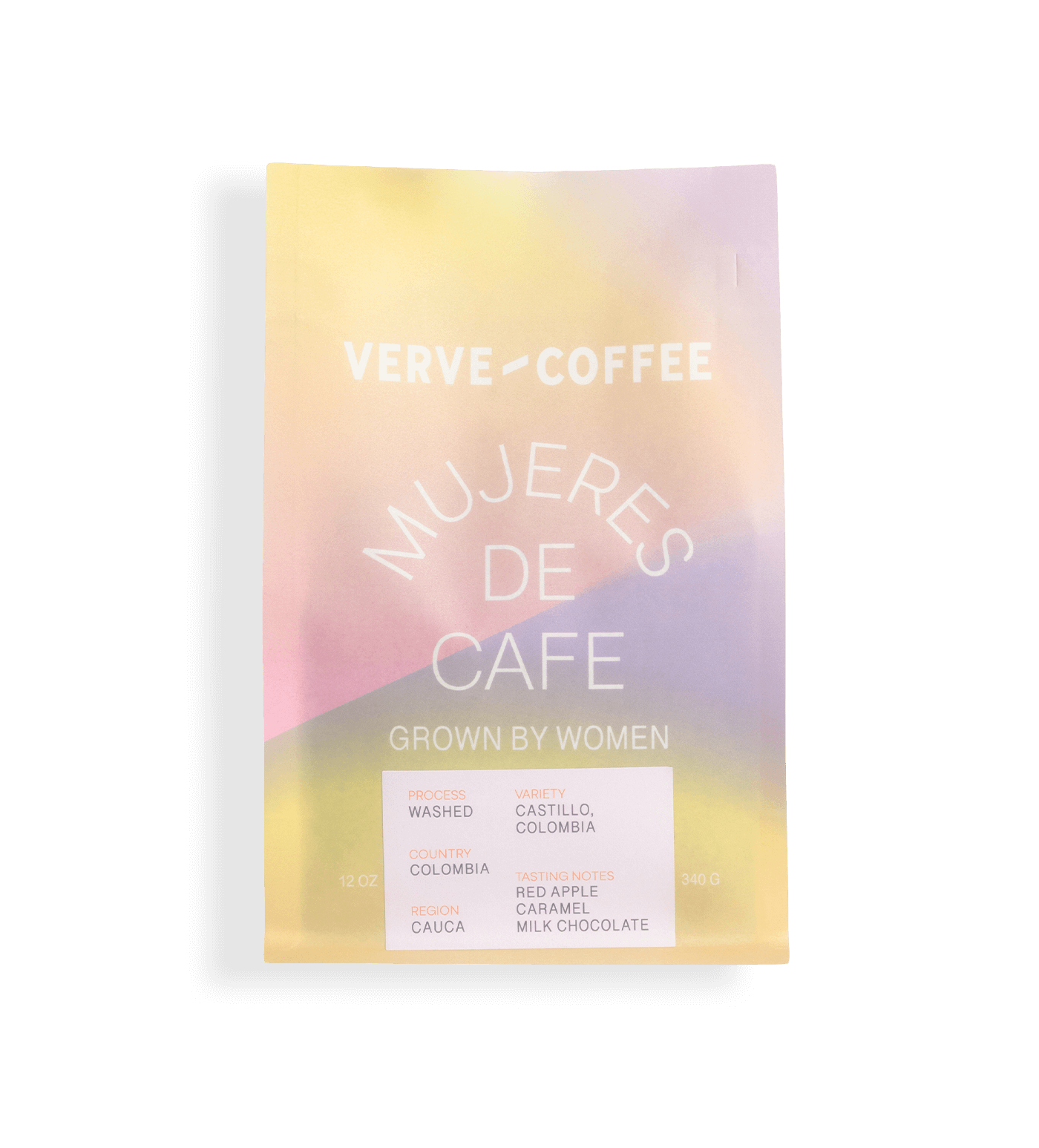
Nearby tagsArabicaArgelia Women's Coca Substitution Program, ARGCAFEECaramelCastillo and ColombiaMediumMilk ChocolateRed AppleSingle originSpecialty
Quick answer — what is Argelia, Cauca?
Argelia is a municipality within the Cauca department of Colombia, a region globally recognized for high-altitude, smallholder-grown Arabica coffee. It matters to the specialty coffee industry because its unique microclimates and volcanic soils produce cups characterized by bright, structured acidity, syrupy sweetness, and distinct floral notes, often cultivated by indigenous and local farming communities.
The real story
Argelia sits within the department of Cauca, a pivotal region in the Colombian coffee landscape located in the country's southwest. Cauca is defined by its rugged, mountainous terrain and high-altitude plateaus, which provide the ideal conditions for slow-maturing coffee cherries. Within this department, municipalities like Argelia benefit from the influence of the nearby Puracé volcano, which contributes to the nutrient-rich volcanic soils that underpin the region's reputation for high-quality production.
Coffee cultivation in this area is predominantly the domain of smallholder farmers, many of whom belong to indigenous communities such as the Nasa and Misak. These producers manage small plots of land, often at elevations ranging from 1,500 to 2,100 meters above sea level. This high-altitude environment is critical to the region's success, as the cooler temperatures at these elevations extend the maturation period of the coffee fruit, allowing for a more complex development of sugars and acids within the bean.
The harvest calendar in Cauca is dictated by the region's bimodal rainfall patterns. The main harvest, or 'cosecha principal,' typically occurs between October and December, while a secondary, smaller harvest known as the 'mitaca' takes place from March to June. This year-round potential for production, combined with the meticulous washed processing methods traditionally employed by local associations, ensures a consistent supply of clean, articulate, and high-scoring specialty coffee for the global market.
In terms of sensory profile, coffee from Argelia and the broader Cauca region is celebrated for its balance and clarity. Drinkers can expect a cup that features bright, structured acidity—often described as citrusy or malic—complemented by a syrupy, caramelized sweetness. Floral aromatics and notes of cocoa or nuts are frequently cited as hallmarks of the region, resulting in a profile that is both sophisticated and approachable, making it a staple for roasters seeking high-quality relationship coffees.
Historically, the development of coffee in Cauca has been tied to the broader expansion of the Colombian coffee industry, which saw significant growth in the 19th century following its introduction by Jesuit priests. Today, the region is recognized under a protected denomination of origin, which highlights the specific terroir and traditional farming practices that distinguish Cauca coffee from other Colombian origins like Huila or Nariño. This designation serves as a testament to the region's commitment to quality and its unique environmental identity.
For the farmer, the focus remains on maintaining the integrity of the crop through sustainable, small-scale agricultural practices. The reliance on manual harvesting and traditional wet-milling processes allows for rigorous quality control at the farm level. As the industry continues to evolve, the producers in Argelia and Cauca are increasingly leveraging their reputation for excellence to secure better market access and foster direct trade relationships, ensuring that the social and economic benefits of their labor are realized within their communities.
Sources behind this explanation
- https://sucafina.com/na/origins/colombia
- https://volcanacoffee.com/regions/cauca
- https://sucafina.com/apac/offerings/cauca-fw-ep
- https://coffeesofcolombia.com/product/cauca
- https://www.blackoutcoffee.com/blogs/the-reading-room/colombian-coffee-an-interview-with-the-pros
- https://bridgecoffeeroasters.com/en/blog/popayan-colombia-origin-story
Coffee reviews & profiles
1 page