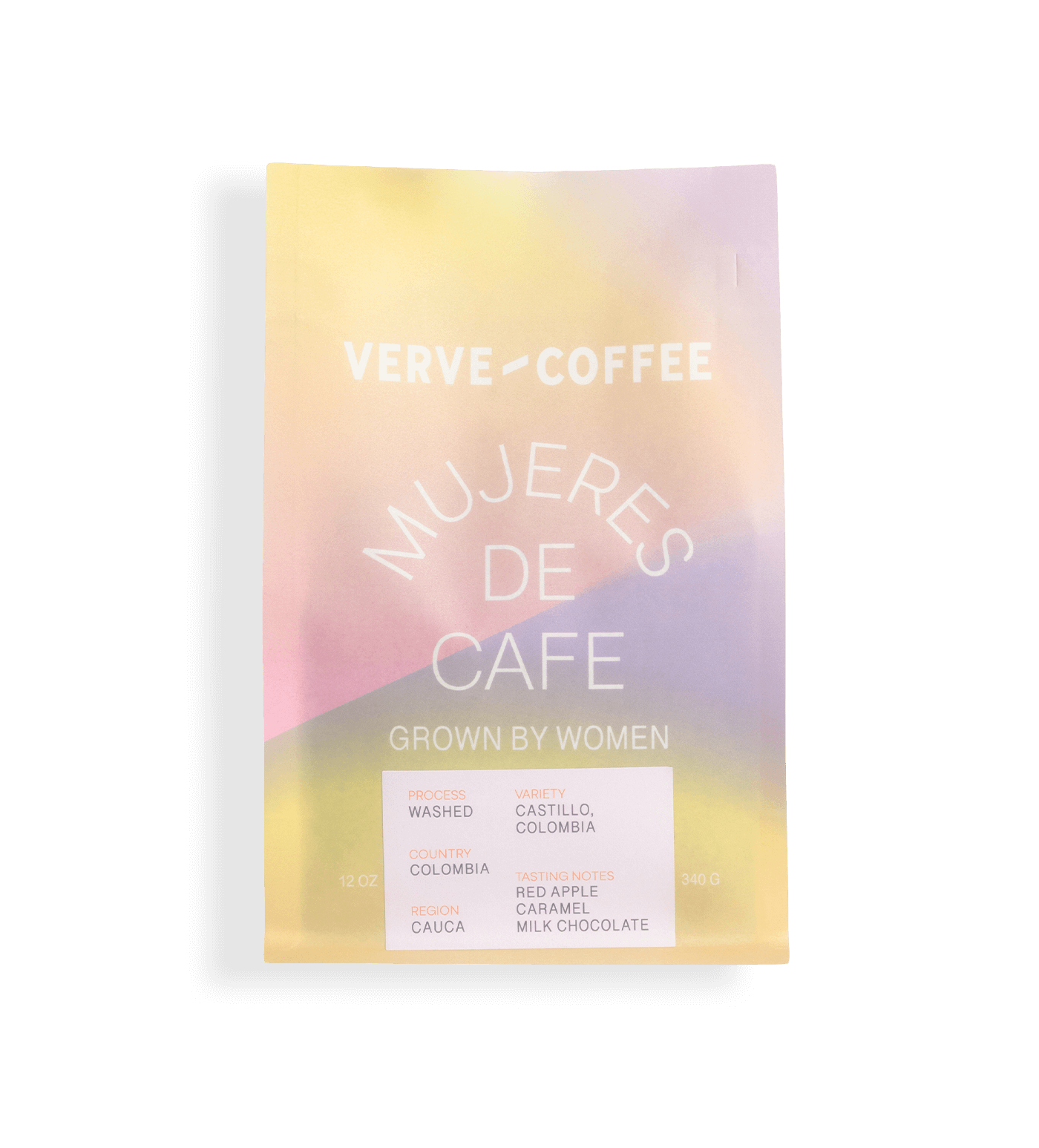
Varieties tag
Castillo and Colombia
1 page on this site carry this tag — reviews, profiles, answers and stories. Tags are derived from our documented data, never invented.
Nearby tagsArabicaArgelia Women's Coca Substitution Program, ARGCAFEEArgelia, CaucaCaramelMediumMilk ChocolateRed AppleSingle originSpecialty
Quick answer — what is Castillo and Colombia?
Castillo is a high-yielding, rust-resistant coffee cultivar developed by Colombia’s national research center, Cenicafé, and released in 2005. It serves as the backbone of modern Colombian coffee production, providing farmers with a resilient alternative to disease-prone traditional varieties while maintaining specialty-grade cup quality.
The real story
Castillo represents the culmination of over two decades of intensive genetic research by Cenicafé, the research arm of the Colombian Coffee Growers Federation. Its development was a direct response to the devastating outbreaks of coffee leaf rust that crippled Latin American production in the late 20th and early 21st centuries. By crossing the compact, high-yielding Caturra variety with the Timor Hybrid—a natural Arabica-Robusta cross known for its robust disease resistance—researchers sought to create a plant that could survive environmental pressures while preserving the sensory characteristics expected of Colombian coffee. Named after Colombian agronomist Jaime Castillo Zapata, the variety was officially released to farmers in 2005.
In the field, Castillo is prized for its agronomic efficiency. Like its Caturra parent, it features a compact stature, allowing for higher planting densities that maximize land productivity. This structural advantage, combined with its inherent resistance to coffee leaf rust and coffee berry disease, made it an essential tool for farmers facing the economic instability caused by crop failure. Because it was bred through five generations of selection, it offers a level of consistency and hardiness that traditional, more fragile varieties like Typica or Caturra often lack in modern, high-pressure growing environments.
Despite its widespread adoption, Castillo has historically faced scrutiny regarding its cup quality. Because the Timor Hybrid contains Robusta genetics, some early critics argued that the variety lacked the complexity of traditional Arabica cultivars. However, extensive blind cupping trials and ongoing research have largely debunked these claims, demonstrating that Castillo is capable of producing a clean, balanced cup with notes of citrus, caramel, and natural sweetness. Its reputation has shifted from a 'necessary evil' for survival to a reliable, high-quality option for specialty producers.
Producers choose to plant Castillo primarily for its economic stability. In a changing climate where disease pressure is constant, the variety offers a predictable yield that protects the livelihoods of smallholder farmers. By replacing older, vulnerable trees with Castillo, growers can reduce their reliance on chemical fungicides, lowering production costs and improving the long-term sustainability of their farms. This transition has been so successful that Castillo is now the most widely planted coffee variety across Colombia.
Beyond its immediate utility, Castillo serves as a testament to the importance of institutional coffee research. It is not a single, static plant but a series of regional selections tailored to specific microclimates, ensuring that the variety performs well across the diverse topography of the Colombian Andes. This adaptability is a key reason why it has successfully superseded the earlier 'Colombia' variety, which was a composite of various lines that proved less stable over time.
Today, the story of Castillo stands at the intersection of agricultural science and specialty coffee culture. While some roasters and consumers continue to prioritize heirloom varieties, the reality of modern coffee farming necessitates the use of resilient cultivars. Castillo has proven that it is possible to balance the competing demands of disease resistance, high yield, and cup quality, securing its place as the workhorse of the Colombian coffee industry for the foreseeable future.
Sources behind this explanation
- https://coffeedex-teal.vercel.app/beans/castillo
- https://fivesenses.com.au/blogs/news/the-cultivars-that-have-shaped-colombian-coffee
- https://sca.coffee/research/coffee-plants-of-the-world
- https://perfectdailygrind.com/2017/06/coffee-varieties-debunking-the-myths-around-castillo
- https://brew-verdict.com/coffees/castillo
- https://volcanacoffee.com/varieties/colombia
Coffee reviews & profiles
1 page