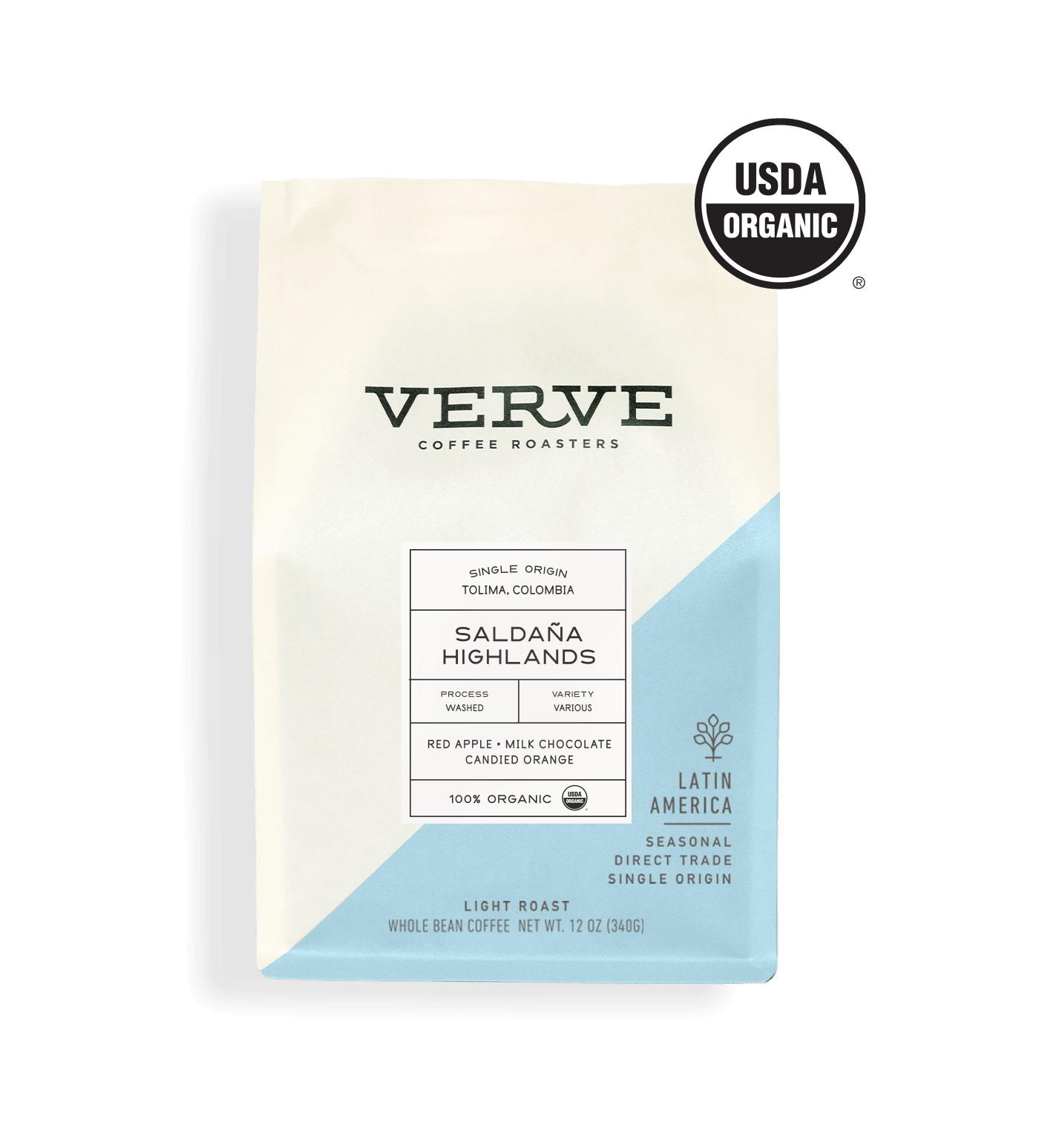
Farms & farmers tag
Asprasar member farms; individual farms not disclosed
1 page on this site carry this tag — reviews, profiles, answers and stories. Tags are derived from our documented data, never invented.
Nearby tagsArabicaAsprasar CooperativeCandied OrangeCastillo and CaturraLightMilk ChocolateRed AppleSingle originSouthern Tolima, Saldaña highlandsSpecialty
Quick answer — what is Asprasar member farms; individual farms not disclosed?
ASPRASAR (Asociación de Productores Agropecuarios de Santa Rosa) is a cooperative of smallholder coffee farmers based in the Saldana highlands of southern Tolima, Colombia. This tag indicates that the coffee originates from the collective output of these member farms, where individual farm identities are often consolidated to facilitate market access, technical support, and shared certifications like Regenerative Organic.
The real story
The Asociación de Productores Agropecuarios de Santa Rosa, commonly known as ASPRASAR, was founded on March 11, 2016, in the remote coffee-growing regions of southern Tolima, Colombia. The organization was established with the primary objective of creating economic opportunities for smallholder coffee families who had historically been overlooked by traditional supply chains. By forming a cooperative, these producers gained the collective leverage necessary to access specialty markets and secure technical assistance that would be difficult to obtain as isolated farmers.
Geographically, the cooperative operates in the Saldana highlands, where members cultivate coffee at altitudes exceeding 1,700 meters. The membership consists of approximately 79 farmers, with an average farm size of roughly 2.5 hectares (6 acres). This small-scale, family-oriented production model is central to the cooperative's identity, emphasizing a deep connection to the land and a focus on high-quality, detail-oriented processing methods.
In practice, ASPRASAR functions as a vital support system for its members. The cooperative provides essential training on harvesting at optimal ripeness and offers guidance on infrastructure for fermentation and drying. Each producer typically manages their own micro-mill, where they perform the initial processing steps—depulping, fermenting for 36 to 48 hours, washing, and drying the parchment on raised beds—before the coffee is aggregated for export.
One of the most significant developments for the cooperative has been its pursuit of Regenerative Organic Certification (ROC). This certification builds upon USDA Organic standards by establishing rigorous benchmarks for soil health, animal welfare, and social fairness. By adopting these regenerative practices, ASPRASAR members aim to restore the full farm ecosystem, ensuring the long-term viability of their land while producing coffee that meets the high standards of the global specialty market.
Gender equity and leadership also play a prominent role in the cooperative's story. Observers have noted that women producers within the group are often particularly dedicated to meticulous production practices, which frequently translates into superior cup quality. The organization actively works to strengthen the role of women in coffee production, viewing their leadership as a key driver for the community's future success and organizational stability.
For the roaster and the consumer, the 'ASPRASAR member farms' designation represents a commitment to traceability and ethical sourcing. Because the cooperative aggregates coffee from many smallholders, individual farm names are often not disclosed on final packaging. Instead, the label highlights the collective effort of the association, ensuring that the premiums paid for the coffee directly support the cooperative's infrastructure, technical training programs, and community projects, such as home gardens.
Today, ASPRASAR stands as a model for how smallholder cooperatives can navigate the complexities of the specialty coffee industry. By focusing on regenerative agriculture, quality control, and social cohesion, the association has successfully connected remote Tolima farmers to international roasters. Their work continues to be a subject of interest for those studying how value chain structures can improve livelihoods for small-scale producers in Colombia.
Sources behind this explanation
- https://www.covoyacoffee.com/p612828-7-colombia-tolima-roc-asprasar-ca.html
- https://www.sustainableharvest.com/blog/asprasar-and-the-women-leading-coffee-production-in-southern-tolima
- https://sucafina.com/na/offerings/asprasar-tolima-fw-roc
- https://elevator.coffee/tolimaasprasar
- https://atelerietheshop.com/products/coldbrewedcoffeeclassic
Coffee reviews & profiles
1 page