Origins tag
Southern Tolima, Saldaña highlands
1 page on this site carry this tag — reviews, profiles, answers and stories. Tags are derived from our documented data, never invented.
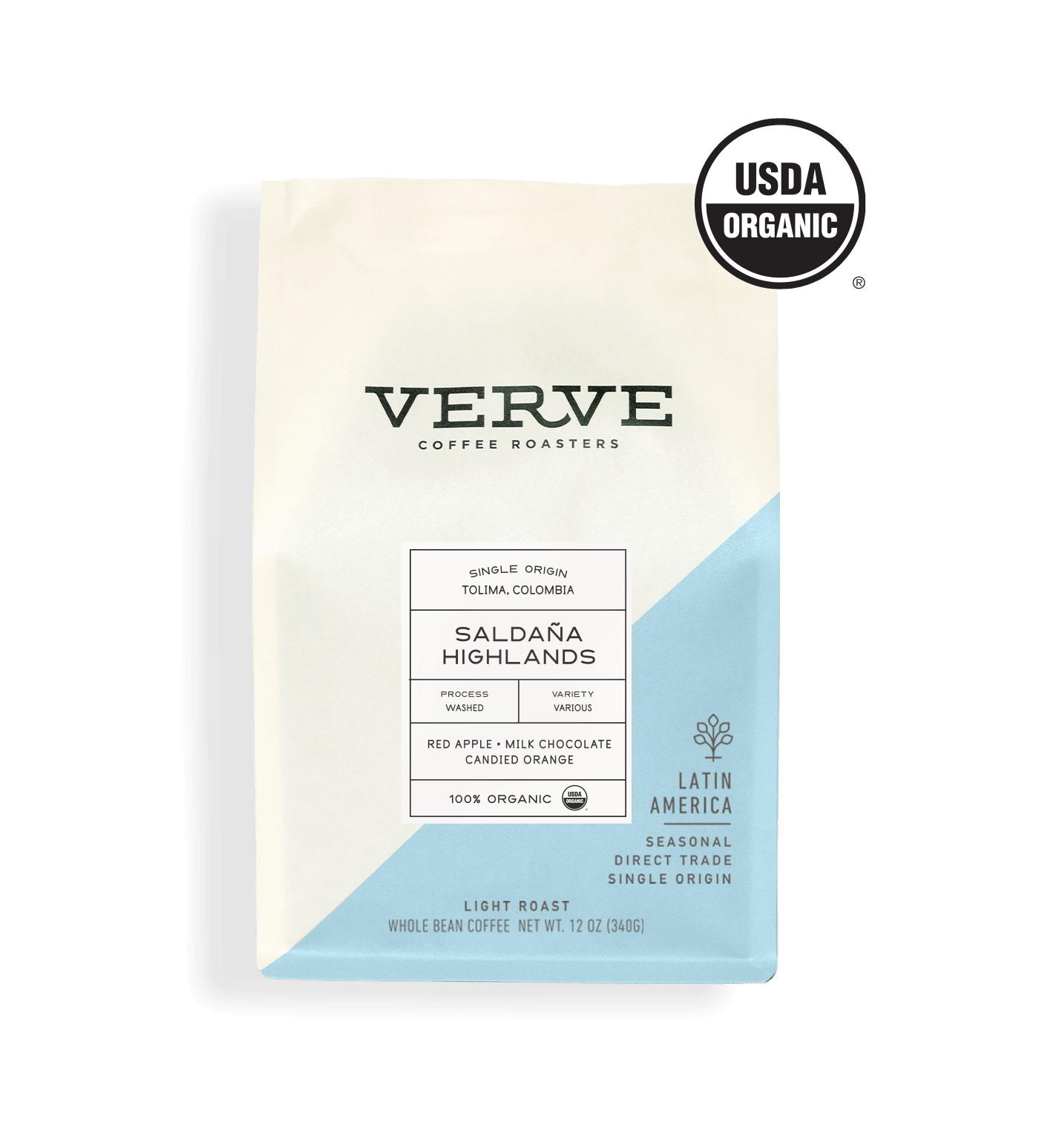
Nearby tagsArabicaAsprasar CooperativeAsprasar member farms; individual farms not disclosedCandied OrangeCastillo and CaturraLightMilk ChocolateRed AppleSingle originSpecialty
Quick answer — what is Southern Tolima, Saldaña highlands?
The Saldaña highlands of Southern Tolima, Colombia, represent a high-altitude coffee-growing subregion characterized by steep, challenging terrain and a resilient community of smallholder farmers. This origin is increasingly recognized for producing complex, high-scoring coffees with vibrant acidity and sweet, fruit-forward profiles, often facilitated by cooperative efforts like Asprasar.
The real story
The Saldaña highlands, located in the southern reaches of the Tolima department in Colombia, represent a significant frontier in the country's specialty coffee landscape. Nestled deep within the Central Andes, this region is defined by its rugged, high-altitude topography, which creates distinct microclimates ideal for the slow maturation of coffee cherries. For years, the development of this region was severely hampered by Colombia’s internal armed conflict and the prevalence of illicit crop trafficking, which kept these high-quality growing areas largely isolated from the global specialty market.
Coffee production in the Saldaña highlands is primarily driven by smallholder farmers, with many organized under the Asociación de Productores Agropecuarios de Santa Rosa (Asprasar). These producers typically manage small plots averaging 2.5 hectares. The cooperative model has been essential to the region's emergence, providing farmers with the infrastructure and technical support necessary to pursue certifications such as Fairtrade Organic (FTO) and Regenerative Organic Certification (ROC), which help secure better market access and price stability.
The terroir of the Saldaña highlands is a product of its extreme elevation, which ranges from 1,700 to 2,000 meters above sea level. This altitude, combined with the region's specific soil composition and mountain climate, allows for a diverse range of coffee varieties to thrive. While traditional workhorses like Caturra, Castillo, and Colombia remain prevalent, producers are increasingly cultivating specialty varieties including Tabí, Geisha, Bourbon Rosado, Bourbon Amarillo, and Sidra, all of which benefit from the slow ripening process inherent to the high-altitude environment.
In terms of sensory profile, coffee from the Saldaña highlands is noted for its complexity and sweetness. Depending on the specific lot and processing method—which is predominantly fully washed—the cup often exhibits vibrant notes of berries, peaches, and molasses, balanced by a bright, clean citrus acidity. These characteristics make the coffee highly versatile, functioning effectively as a distinct single-origin offering or as a high-quality base for complex espresso blends.
Harvesting in Tolima follows the broader Colombian pattern, which is influenced by the country's position across the equator and its complex mountain ranges. This allows for a main harvest period typically occurring between September and December, with a smaller 'mitaca' crop occurring between April and June. This dual-harvest cycle provides a degree of consistency for roasters and helps maintain a steady supply of fresh coffee throughout the year.
The story of the Saldaña highlands is one of transition and resilience. As the region continues to move past the shadow of historical conflict, the focus has shifted toward quality improvement and sustainable agricultural practices. By leveraging the unique environmental conditions of the Southern Tolima highlands and the organizational strength of cooperatives like Asprasar, producers are successfully positioning their coffee as a premium product that reflects both the potential of the land and the dedication of its people.
Coffee reviews & profiles
1 page