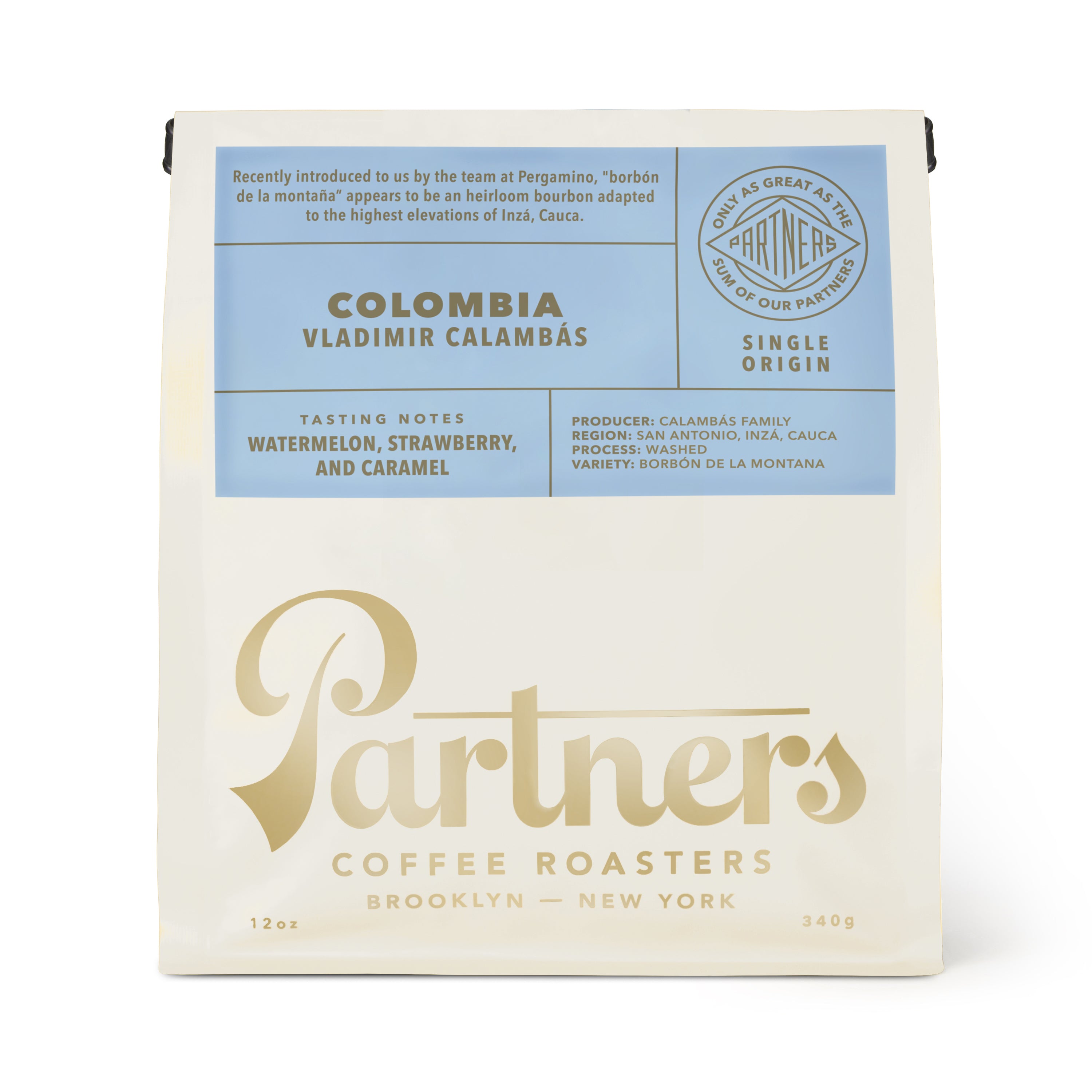
🇨🇴Colombia
Colombia · Cauca
Colombia - Vladimir Calambás
Vladimir Calambás
Partners Coffee
Borbón de la Montaña· Washed
Explore the profile →3 pages on this site carry this tag — reviews, profiles, answers and stories. Tags are derived from our documented data, never invented.
Borbón de la Montaña is a regional designation or specific selection of the Bourbon variety, which is one of the two foundational lineages of cultivated Arabica coffee. It is highly prized by producers and roasters for its exceptional cup quality, characterized by sweetness and complexity, despite the plant's inherent fragility and susceptibility to major coffee diseases.
The term 'Borbón de la Montaña' refers to a specific iteration or regional selection of the Bourbon variety, a cultivar that serves as one of the two primary pillars of global Arabica coffee production. Bourbon itself is not a single, uniform plant but rather a foundational lineage that traces its origins to the island of Réunion—formerly known as Bourbon—in the Indian Ocean. From this island, the variety spread globally, becoming a cornerstone of coffee agriculture due to its superior sensory profile.
In the field, Bourbon is recognized as a tall plant with medium yield potential. It is widely considered the benchmark for cup quality, often described as producing an unusually sweet, round, and complex cup. Because of these sensory attributes, it remains a preferred choice for specialty coffee producers who prioritize flavor over the high-yield, disease-resistant characteristics found in more modern, introgressed hybrids.
However, the decision to plant Bourbon is a significant commitment for a farmer. The variety is notoriously fragile, exhibiting low resistance to the industry's most devastating threats, including coffee leaf rust (Hemileia vastatrix), coffee berry disease, and nematodes. Because the lifespan of a coffee tree can span 20 to 30 years, choosing to cultivate Bourbon requires careful management and a willingness to accept higher risks in exchange for the potential of a premium, high-quality harvest.
Genetic lineage studies place Bourbon within the Bourbon-Typica group. Over time, various selections and mutations have emerged, such as Yellow, Red, and Orange Bourbon, as well as specific regional selections like those developed by national research institutes. These selections are often the result of mass selection processes, where individual plants showing superior performance are chosen to form the next generation of seeds, aiming to balance the variety's inherent quality with improved agronomic performance.
For the roaster and the drinker, the 'Borbón de la Montaña' label signifies a connection to this classic lineage. It suggests a coffee that has been cultivated with an emphasis on the traditional, high-quality characteristics that have defined the Bourbon family for generations. Its performance is typically best at higher elevations, where the cooler climate can help mitigate some of the plant's vulnerabilities while enhancing the development of its characteristic sweetness.
Today, the story of Bourbon and its regional variants stands at a crossroads between tradition and innovation. While newer, disease-resistant varieties are increasingly necessary to combat the impacts of climate change and fungal pathogens, the industry continues to rely on Bourbon for its unmatched sensory potential. Producers who maintain these trees are often stewards of coffee history, balancing the economic necessity of yield with the pursuit of excellence in the cup.