Varieties tag
Bourbon Mayaguez 71 & 139
1 page on this site carry this tag — reviews, profiles, answers and stories. Tags are derived from our documented data, never invented.
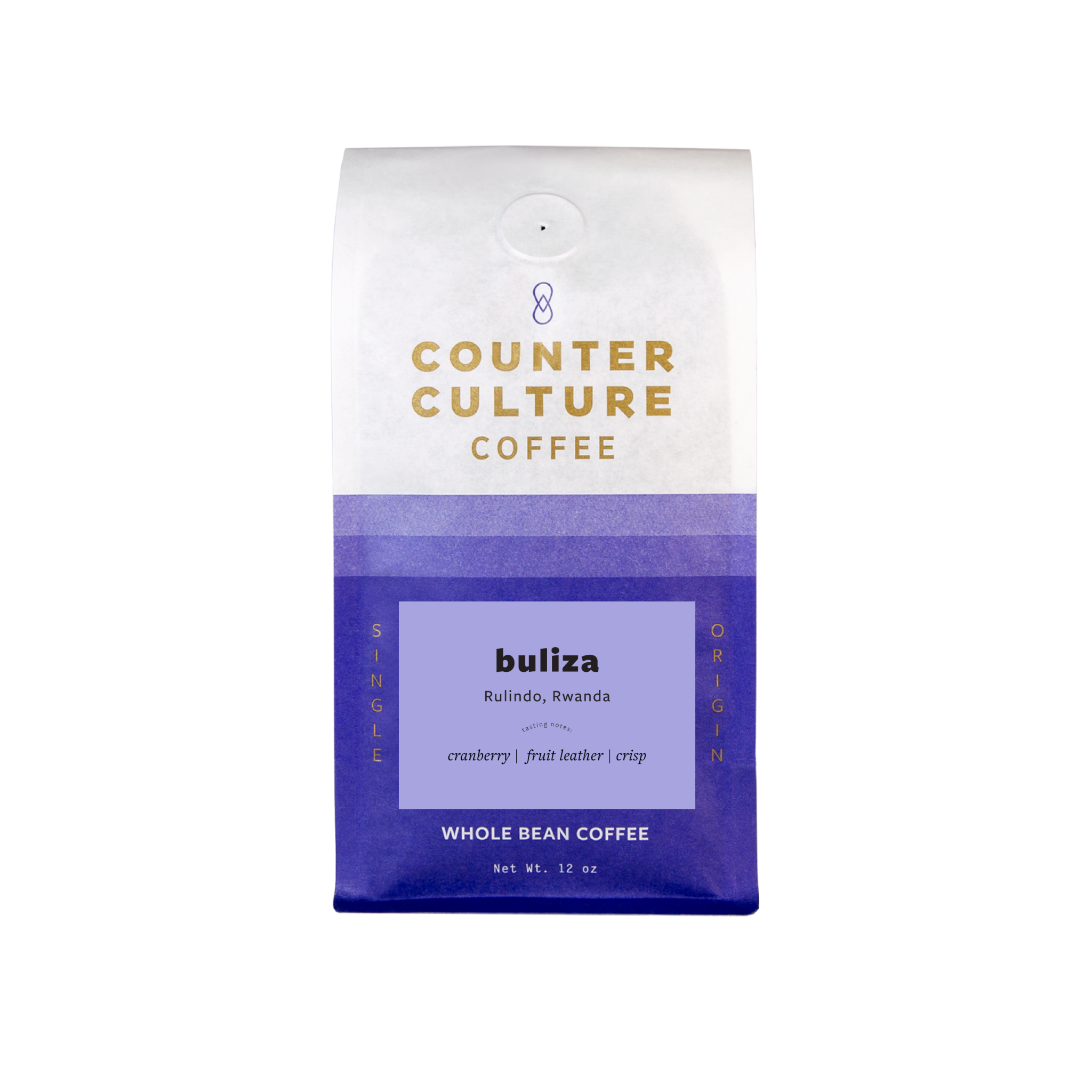
Nearby tagsArabicaBuliza washing stationcranberrycrispfruit leatherLightRulindo District, Northern ProvinceSingle originSpecialtyUCOCARU cooperative union members
Quick answer — what is Bourbon Mayaguez 71 & 139?
Bourbon Mayaguez 71 and 139 are specific selections of the Bourbon arabica variety that are foundational to the coffee industries of Rwanda and Burundi. These tall, high-quality cultivars are prized for their excellent cup potential and are the result of historical germplasm selections made after the variety was introduced to East Africa in the 1950s.
The real story
The Bourbon Mayaguez varieties, specifically 71 and 139, represent a critical chapter in the history of East African coffee. Their lineage traces back to Central America, from where Bourbon was introduced to Puerto Rico. The name 'Mayaguez' refers to the USDA germplasm collection in Mayaguez, Puerto Rico, through which these plants transited before being introduced to the Mulungu germplasm collection in the Democratic Republic of Congo during the 1930s. By the early 1950s, these plants were brought into Rwanda, where they became established as essential components of the national coffee landscape.
Upon their arrival in East Africa, the broader population of Bourbon Mayaguez underwent a process of selection. Agronomists and researchers identified specific mother trees that exhibited superior traits, leading to the formal release of the 71 and 139 selections. While they are distinct in their designation, they share a very similar genetic background and perform comparably in the field, serving as the backbone for much of the specialty coffee production in Rwanda and Burundi today.
In the field, both Bourbon Mayaguez 71 and 139 are characterized as tall varieties. They are known for their vigor and productivity, though they remain susceptible to the major diseases that typically affect the Bourbon lineage. Bourbon Mayaguez 139 is noted for being particularly vigorous and highly productive, while Bourbon Mayaguez 71 is often described as having moderate yield potential. Because of their susceptibility to common coffee pathogens, their cultivation requires careful management, yet they remain a preferred choice for many producers due to their proven track record in the region.
For the producer, these varieties offer a balance of reliable agronomic performance and high cup quality. In Rwanda, where Bourbon-derived varieties account for the vast majority of coffee production, these specific selections are integral to the country's reputation for high-quality Arabica. Their adaptation to the specific altitudes and climates of Rwanda and Burundi has solidified their status as a standard for local cooperatives and smallholder farmers, who often work in collaboration with national agricultural boards to maintain these stocks.
From a sensory perspective, these varieties are celebrated for their excellent cup quality, which is a hallmark of the Bourbon family. Roasters and drinkers often associate these coffees with the classic, balanced, and sweet profiles typical of high-quality Bourbon, often featuring the bright acidity and complex fruit notes that have helped define the profile of East African specialty coffee on the global stage.
Today, the story of Bourbon Mayaguez 71 and 139 stands as a testament to the importance of germplasm preservation and regional selection. They are not merely historical artifacts but are active, living varieties that continue to be planted and harvested by thousands of farmers. Their continued use underscores the enduring value of the Bourbon lineage in producing world-class coffee, even as the industry faces ongoing challenges regarding disease resistance and climate change.
Sources behind this explanation
- https://varieties.worldcoffeeresearch.org/varieties/bourbon-mayaguez-139
- https://varieties.worldcoffeeresearch.org/varieties/bourbon-mayaguez-71
- https://sucafina.com/apac/offerings/ngororero-abahuzamugambi-women-cooperative
- https://www.homegrounds.co/bourbon-mayaguez
- https://varieties.worldcoffeeresearch.org/arabica/varieties
Coffee reviews & profiles
1 page