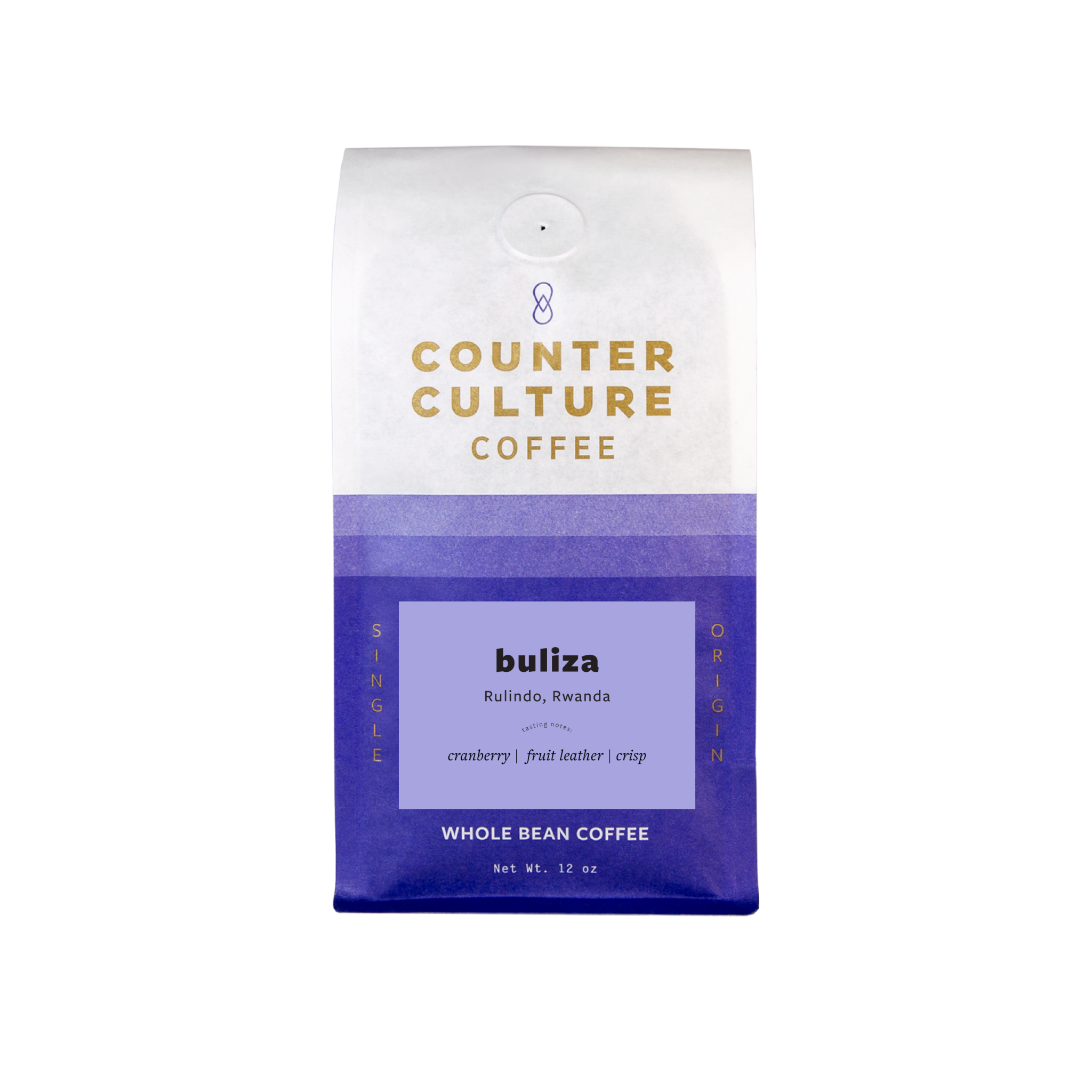
Tasting notes tag
fruit leather
1 page on this site carry this tag — reviews, profiles, answers and stories. Tags are derived from our documented data, never invented.
Nearby tagsArabicaBourbon Mayaguez 71 & 139Buliza washing stationcranberrycrispLightRulindo District, Northern ProvinceSingle originSpecialtyUCOCARU cooperative union members
Quick answer — what is fruit leather?
Fruit leather is a sensory descriptor used to identify concentrated, dried-fruit sweetness in coffee, often characterized by a chewy, jammy, or dehydrated fruit profile. It serves as a key indicator of specific processing methods, such as natural or honey processing, where the coffee bean absorbs sugars and volatile compounds from the drying fruit pulp.
The real story
In the lexicon of specialty coffee, 'fruit leather' is a nuanced sub-descriptor within the broader 'Dried Fruit' category of the World Coffee Research (WCR) Sensory Lexicon. Unlike fresh fruit notes, which often highlight bright acidity and volatile esters, fruit leather suggests a more concentrated, dense, and sweet profile. It represents the intersection of origin-derived sugars and the transformative effects of post-harvest processing, where the moisture content of the coffee cherry is reduced, effectively concentrating the fruit's chemical precursors before they ever reach the roaster.
The chemistry behind this flavor is deeply rooted in the interaction between the coffee bean and its surrounding fruit tissues—the exocarp and mesocarp. Research indicates that extending the 'reserve time' or drying period of the coffee cherry allows these constituent parts to interact more thoroughly with the bean. This biochemical exchange increases the complexity of the flavor profile, shifting descriptors from fresh, vibrant fruit toward the deeper, more stable notes of dried fruit and preserves.
Processing methods are the primary drivers of this attribute. Natural processed coffees, where the entire cherry is dried with the bean intact, are the most common vehicles for fruit leather notes. During this extended drying phase, the bean absorbs sugars and organic acids from the mucilage. If managed correctly, this results in a cup with a heavy, syrupy body and the characteristic sweetness of dehydrated fruit. Conversely, improper drying can lead to over-fermentation, which may mask these desirable notes with pungent, alcohol-like aromatics.
Terroir and variety also play critical roles in the development of these flavors. High-altitude environments often slow the maturation of the coffee cherry, allowing for a more complex accumulation of sugars and precursors. When these high-density beans undergo natural or honey processing, the resulting cup is more likely to exhibit the depth required to produce a distinct fruit leather note, as opposed to the fleeting, volatile aromatics found in lighter, washed-process coffees.
For the roaster, preserving these delicate notes requires a careful approach to the Maillard reaction. Because fruit leather is an origin-derived attribute, excessive heat or overly dark roast profiles can easily obscure these subtle compounds with carbonized or roasted flavors. Roasters typically aim for lighter to medium profiles to ensure that the esters and aldehydes responsible for the fruit-forward character remain prominent rather than being replaced by roast-induced bitterness.
When cupping, a taster identifies fruit leather by looking for a specific combination of sweetness and texture. It is distinct from the sharp, citric acidity of a washed Ethiopian coffee or the bright berry notes of a Kenyan lot. Instead, it presents as a 'chewy' or 'jammy' sensation on the palate, often reminiscent of raisins, figs, or concentrated fruit preserves. It is a hallmark of a well-executed natural process, signaling that the coffee has achieved a balance between fruit-driven complexity and structural sweetness.
Today, the use of such specific descriptors is supported by the SCA and WCR's efforts to standardize sensory language. By moving beyond generic terms like 'fruity' toward specific markers like 'fruit leather,' the industry can better communicate the impact of specific agricultural and processing decisions. This precision allows farmers to showcase the value of their labor and helps drinkers better understand the profound influence of the coffee's journey from the tree to the cup.
Sources behind this explanation
- https://blog.corococoffee.com/wp-content/uploads/2021/03/WCR-Sensory-Lexicon.pdf
- https://www.frontiersin.org/journals/sustainable-food-systems/articles/10.3389/fsufs.2024.1425599/full
- https://dabov.us/blog/exploring-the-complex-flavors-of-specialty-coffee
- https://dabov.us/blog/breaking-down-the-coffee-flavor-wheel-key-components
- https://dabov.us/blog/the-coffee-flavor-wheel-a-visual-guide-to-tasting-coffee
Coffee reviews & profiles
1 page