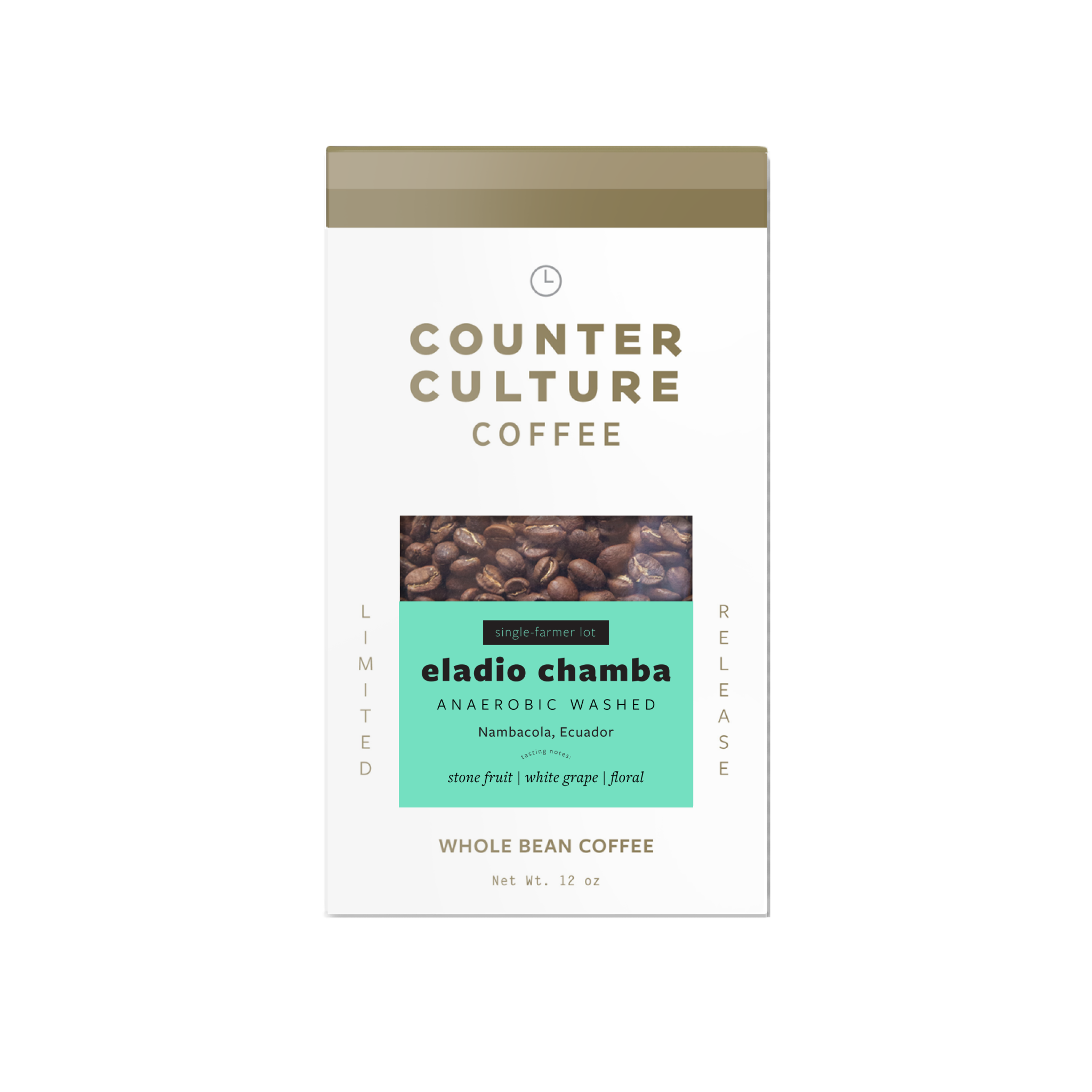
Varieties tag
Caturra, Typica and Bourbon (mixed lot)
1 page on this site carry this tag — reviews, profiles, answers and stories. Tags are derived from our documented data, never invented.
Nearby tagsArabicaEladio ChambafloralLightNambacola, GonzanamáNuestra Señora de GuadalupeSingle originSpecialtystone fruitwhite grape
Quick answer — what is Caturra, Typica and Bourbon (mixed lot)?
Caturra, Typica, and Bourbon are foundational Arabica coffee varieties that form the genetic backbone of modern coffee production. While Typica and Bourbon are historic, high-quality cultivars, Caturra is a compact, high-yielding mutation of Bourbon; a 'mixed lot' of these varieties represents a blend of these distinct lineages, often prized for balancing the classic sweetness and complexity of Bourbon with the productivity and bright acidity of its descendants.
The real story
The lineage of these three varieties traces back to the early global spread of Coffea arabica. Typica is widely considered the original variety that traveled from Ethiopia to Yemen and eventually to the rest of the world. Bourbon, a natural mutation of Typica, was discovered on the island of Réunion (formerly Île Bourbon) and became renowned for its superior cup quality and increased fruit production. Caturra, in turn, is a natural single-gene mutation of the Bourbon variety, first identified in Brazil between 1915 and 1918. This mutation results in a 'dwarf' or compact plant stature, which allows for higher-density planting and easier harvesting.
In the field, these plants exhibit distinct morphological traits. Typica is a tall, conical shrub with relatively low yields and high susceptibility to pests and diseases. Bourbon is also a tall plant, characterized by wider leaves with wavy margins and a distinct bronze-colored young tip. Caturra, by contrast, is significantly shorter, making it a favorite for farmers looking to maximize land use. Because of its compact size and high productivity, Caturra became a cornerstone of Latin American coffee agriculture throughout the 20th century, serving as a parent for many modern hybrids like Catuai and Catimor.
Disease resistance remains a critical challenge for all three varieties. Typica and Bourbon are notoriously susceptible to major coffee diseases, particularly coffee leaf rust (Hemileia vastatrix). Caturra, despite its agricultural advantages, is also highly susceptible to leaf rust. This vulnerability has led many producers to rely on these varieties in specific microclimates or to use them as parents in breeding programs aimed at creating more resilient, disease-resistant cultivars while attempting to retain the high cup quality associated with the Bourbon lineage.
When found in a 'mixed lot,' these varieties offer a complex sensory profile. Bourbon is celebrated for its brown sugar-like sweetness, round body, and notes of stone fruit like cherry or peach. Typica is often noted for its clean, sweet, and balanced profile. Caturra tends to mirror the sweetness of its Bourbon parent but often presents with a brighter, more vibrant acidity. A blend of these varieties can provide a roaster with a nuanced cup that balances the depth and body of Bourbon with the brightness of Caturra and the classic clarity of Typica.
Producers choose to plant these varieties for a combination of historical prestige and economic necessity. While newer, disease-resistant hybrids are increasingly common, the 'Bourbon-Typica' genetic group remains the gold standard for specialty coffee quality. Farmers often maintain these older varieties because they command higher prices in the specialty market, provided the farm management can mitigate the risks of disease and lower yields through careful cultivation and fertilization.
Today, these varieties are found across the globe, though they are most heavily concentrated in Latin America. The 'mixed lot' designation often reflects the reality of traditional farms where multiple generations of coffee trees coexist. As the industry moves toward more climate-resilient varieties, the preservation of these foundational cultivars remains a priority for researchers and roasters alike, ensuring that the genetic diversity and distinct flavor profiles of these historic plants are not lost to history.
Sources behind this explanation
- https://en.wikipedia.org/wiki/List_of_coffee_varieties
- https://us.theroasterspack.com/pages/coffee-varietals-explained?shpxid=4a3818e7-3e48-4177-9706-994447cb70c8
- https://worldcoffeeresearch.org/resources/arabica-ldp-snp-marker-panel
- https://guentercoffee.com/en/blogs/coffee-knowledge/coffea-arabica-varieties-lexicon
- https://cordigreen-english.jimdofree.com/2019/09/05/result-of-the-coffee-cultivars-by-wcr-world-coffee-research
- https://counterculturecoffee.com/blogs/coffee-culture/coffee-basics-varieties
- https://varieties.worldcoffeeresearch.org/varieties/Caturra
- https://worldcoffeeresearch.org/es/news/2018/varieties-catalog-goes-global
- https://royalcoffee.com/the-coffee-roasters-complete-guide-to-coffee-varieties-and-cultivars
Coffee reviews & profiles
1 page