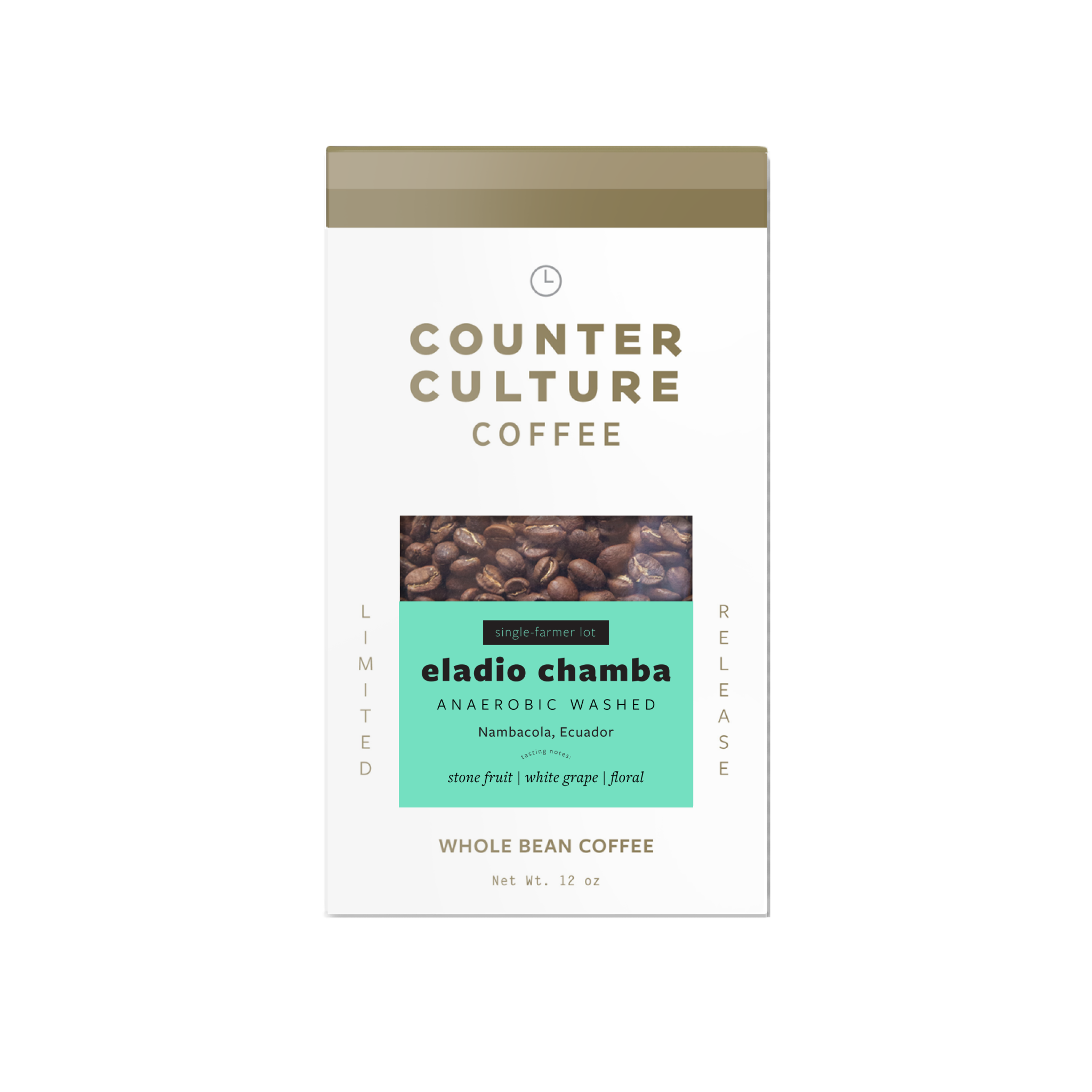
Origins tag
Nambacola, Gonzanamá
1 page on this site carry this tag — reviews, profiles, answers and stories. Tags are derived from our documented data, never invented.
Nearby tagsArabicaCaturra, Typica and Bourbon (mixed lot)Eladio ChambafloralLightNuestra Señora de GuadalupeSingle originSpecialtystone fruitwhite grape
Quick answer — what is Nambacola, Gonzanamá?
Nambacola is a rural parish in the Gonzanamá canton of Ecuador’s Loja province, a region increasingly recognized for high-altitude specialty Arabica production. It matters in the coffee world because its unique Andean microclimates and mountainous terrain allow for the cultivation of high-quality beans with complex acidity and distinct floral or fruity profiles. This area highlights the growing focus on Ecuadorian origin diversity, where smallholder farmers are gaining international recognition for their precision in processing and quality control.
The real story
Nambacola, situated in the Gonzanamá canton of Ecuador’s Loja province, sits at the heart of one of the country's most promising emerging coffee origins. While Loja has historically been overshadowed by larger global exporters, it has secured a reputation for producing some of the finest Arabica coffee in the Andes. Nambacola serves as a critical node in this landscape, characterized by its rugged, high-altitude terrain that provides the cooling temperatures necessary for the slow maturation of coffee cherries, a fundamental prerequisite for high-density, flavorful beans.
Coffee cultivation in this region is deeply intertwined with the socio-economic fabric of southern Ecuador. Introduced to the country centuries ago, coffee has evolved from a secondary subsistence crop into a vital economic driver for the smallholder farmers of Loja. In Nambacola, the coffee economy is largely defined by small family-run farms—often referred to as fincas—that operate with limited landholdings but high levels of dedication to specific cultivation practices, moving away from bulk commercial production toward specialty-grade microlots.
The terroir of Nambacola is defined by its dramatic topography and proximity to the equator, which typically necessitates high elevations—often ranging from 1,500 to 2,000 meters above sea level—to achieve optimal quality. The region benefits from volcanic-influenced soils and distinct wet and dry seasons that dictate the agricultural calendar. Because of its location in the Southern Hemisphere, the primary harvest generally occurs between June and September, though altitude-driven variations can extend or shift these windows, requiring farmers to employ meticulous selective harvesting techniques.
Regarding varietal composition, the region hosts a mix of traditional and introduced Arabica cultivars. While Typica and Bourbon were long the regional standard, recent years have seen an increased adoption of varieties such as Caturra, Colombia, and more recently, high-value cultivars like Geisha or Sidra. This shift is supported by organizations like World Coffee Research and local agricultural institutes, which emphasize the importance of varietal selection in maximizing the potential of the specific microclimates found within the Gonzanamá canton.
The sensory profile of coffee from Nambacola is frequently cited by roasters and competition judges for its complexity and refinement. Characteristic profiles often feature a bright, phosphoric acidity paired with a medium body and pronounced sweetness. Drinkers can expect floral aromatics, notes of stone fruit, and sometimes a characteristic chocolate or panela finish. This profile is heavily dependent on post-harvest processing, as many producers in the area have transitioned from traditional wet-milling to innovative fermentation techniques, including extended aerobic or anaerobic processes, to amplify these intrinsic qualities.
For the farmer, the transition to specialty coffee in Nambacola is as much about economic survival as it is about prestige. By participating in national competitions like Taza Dorada, local producers have demonstrated that coffee from this specific niche can compete with the most renowned origins in the world. These platforms have provided a mechanism for farmers to command higher premiums, which in turn reinvests in farm infrastructure, such as better drying beds and processing equipment, creating a virtuous cycle of quality improvement.
The story of Nambacola today stands at the intersection of tradition and modernization. It is an origin where the geographical challenges of the Andean mountains—once a barrier to transport and infrastructure—have become the very source of the region's specialty coffee identity. As international demand for distinct, high-altitude Ecuadorian coffee grows, the producers of Nambacola remain key actors, leveraging their specific terroir to secure a sustainable and reputable place in the global specialty market.
Sources behind this explanation
Coffee reviews & profiles
1 page