Farms & farmers tag
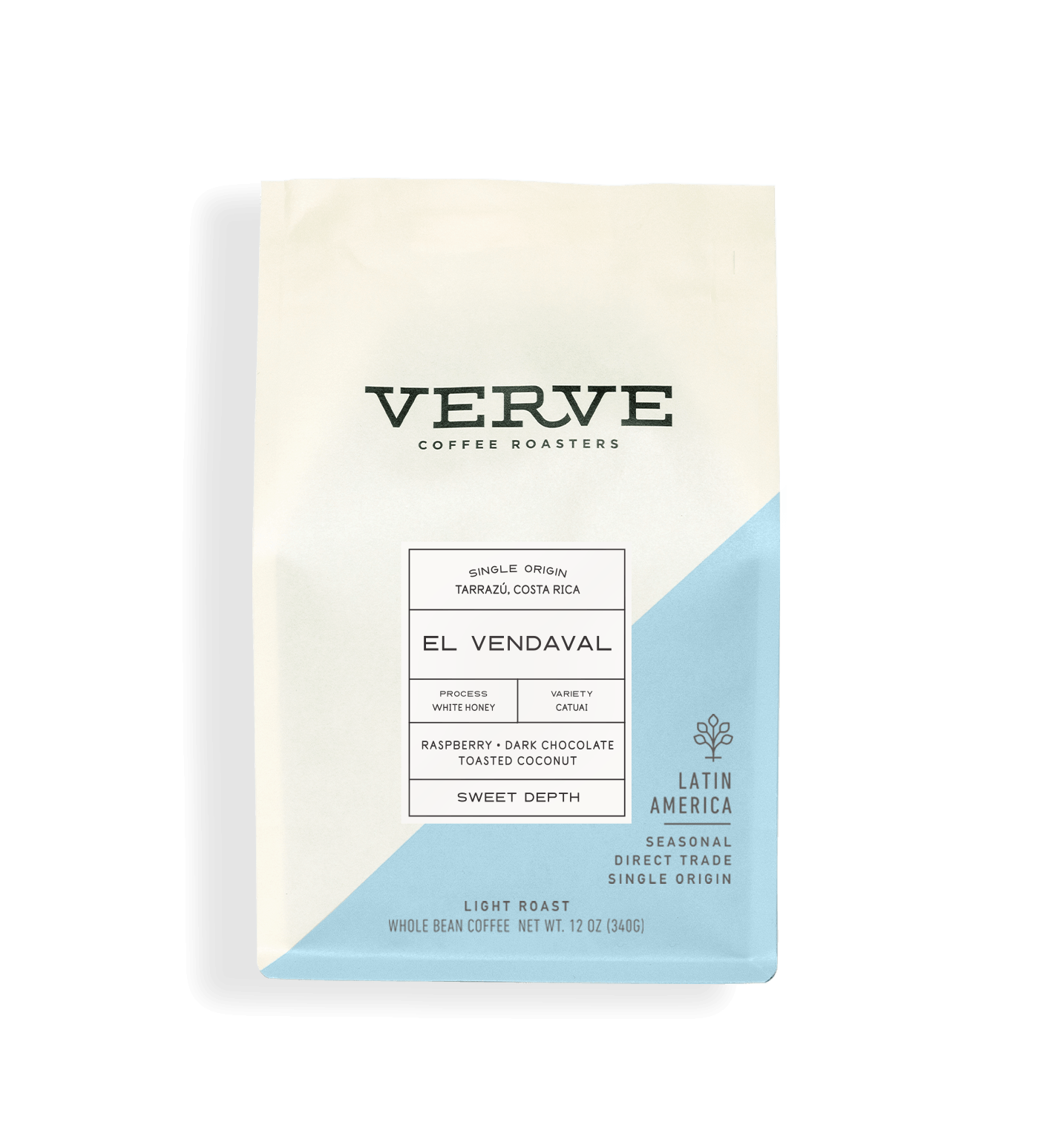
El Vendaval
2 pages on this site carry this tag — reviews, profiles, answers and stories. Tags are derived from our documented data, never invented.
Nearby tagsCalderón familyRed CatuaíArabicaCosta RicaDark ChocolateLightRaspberrySanta María de DotaSingle originSpecialtyToasted CoconutWhite Honey
Quick answer — what is El Vendaval?
El Vendaval is a high-altitude coffee farm located in Santa Maria de Dota, Tarrazú, Costa Rica, managed by the multi-generational Calderón family. It is significant for its role in the country's 'Micro-Mill Revolution,' which allowed independent producers to gain direct control over post-harvest processing, resulting in consistent, high-quality lots that emphasize regional terroir and nuanced flavor profiles.
The real story
El Vendaval is a prominent coffee farm situated in the mountainous region of Santa Maria de Dota within the Tarrazú canton of Costa Rica. The farm is part of a broader network of estates managed by the Calderón family, who have cultivated coffee in this region for multiple generations. Its location, perched at high elevations within the Cordillera de Talamanca, provides the steep terrain and specific climatic conditions necessary for producing high-density, complex coffee beans.
The farm is primarily known for its cultivation of Red Catuai, a variety that thrives in the region's fertile volcanic soils and benefits from the area's abundant rainfall. The combination of high altitude and the specific microclimate of the Tarrazú valley contributes to the distinct flavor profiles often associated with the farm's output, which have been documented to include notes of citrus, stone fruit, and chocolate.
A pivotal moment in the history of El Vendaval occurred during the 'Micro-Mill Revolution' in Costa Rica during the early 2000s. Prior to this movement, many farmers were heavily reliant on large cooperative infrastructure for processing their harvests. The Calderón family transitioned to independent processing, establishing their own micro-mill capabilities. This shift was transformative, as it granted them direct control over the critical stages of fermentation and drying.
By managing their own processing, the family has been able to refine their techniques to suit the specific characteristics of each harvest. This is particularly evident in their approach to honey processing, a method that requires precise monitoring of mucilage levels during drying to achieve the desired sweetness and body. This level of control has allowed them to maintain a high degree of consistency, which is a hallmark of their production.
The relationship between the Calderón family and their roasting partners, such as Verve Coffee Roasters, is built upon this foundation of independent quality control. By bypassing traditional bulk-processing channels, the farm ensures that the nuances of their specific terroir are preserved from the tree to the final cup. This direct trade model emphasizes transparency and trust, allowing the producers to receive recognition for the specific quality of their lots.
For the consumer, El Vendaval represents the success of the Costa Rican model of specialized, small-scale production. The farm serves as a case study in how family-owned estates can leverage technological and process-oriented independence to compete in the specialty coffee market. Their ability to produce both accessible and nuanced coffees has solidified their reputation as reliable producers within the Tarrazú region.
Today, the story of El Vendaval continues to reflect the broader trends in the Costa Rican coffee sector, where institutional support from organizations like ICAFE and the adoption of advanced processing techniques remain central to the industry's identity. The farm remains a testament to the impact of the micro-mill movement, demonstrating how individual family stewardship can elevate the quality and traceability of coffee on a global scale.
Coffee reviews & profiles
1 page