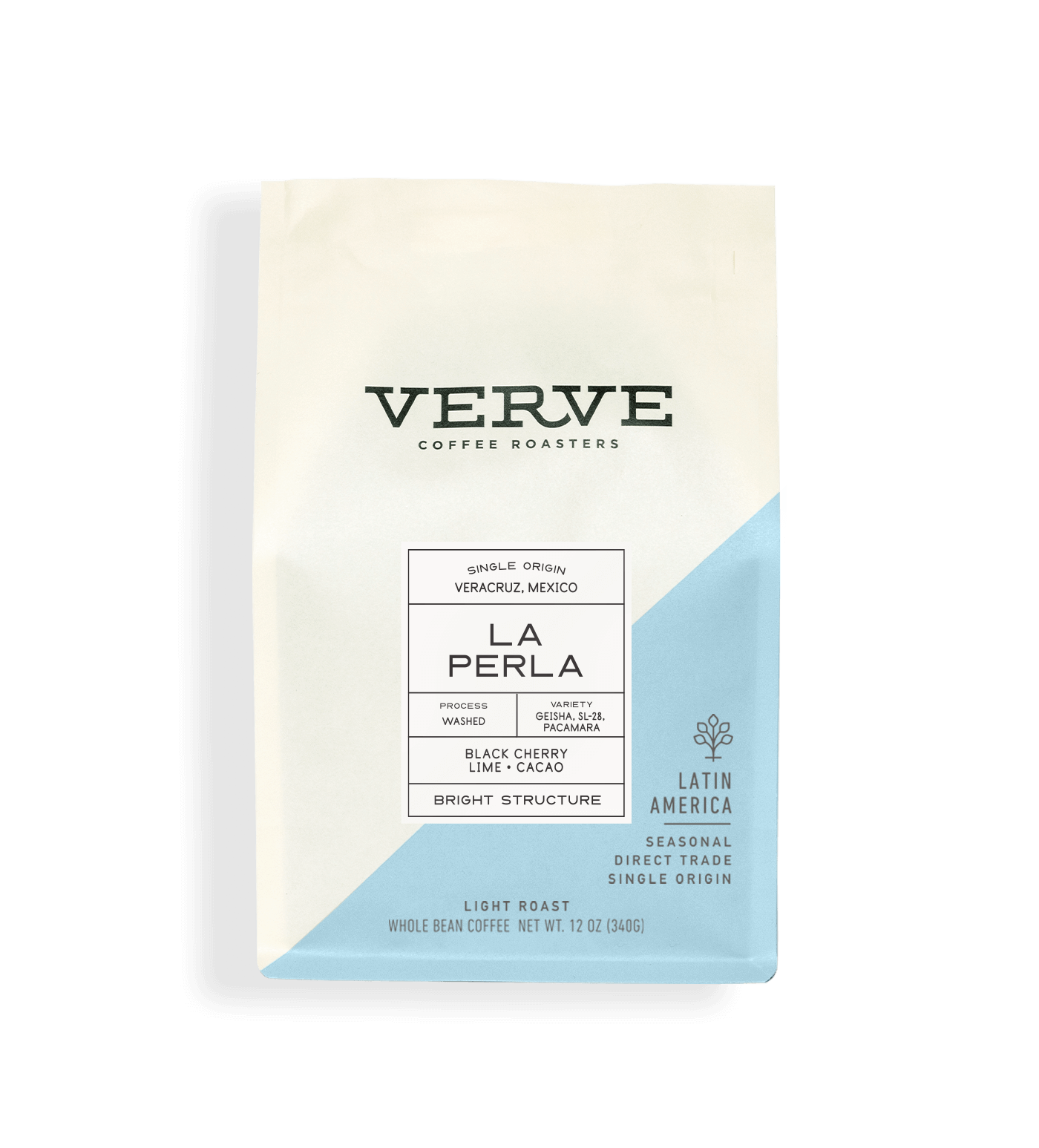
Varieties tag
Geisha, SL28, and Pacamara
1 page on this site carry this tag — reviews, profiles, answers and stories. Tags are derived from our documented data, never invented.
Nearby tagsArabicaBlack CherryCacaoIxhuacán de los Reyes, Veracruz and Quimixtlán, PueblaLightLimeSingle originSpecialtyVarious smallholders in Ixhuacán de los Reyes and Quimixtlán
Quick answer — what is Geisha, SL28, and Pacamara?
Geisha, SL28, and Pacamara are distinct Arabica coffee cultivars prized for their unique genetic potential and exceptional cup quality. While Geisha is celebrated for its delicate floral aromatics, SL28 defines the classic Kenyan profile of blackcurrant acidity, and Pacamara is known for its large bean size and complex, expressive body.
The real story
Geisha, often spelled Gesha, originated in the Gori Gesha forest of Ethiopia. While it remained obscure for decades, it gained global fame in the early 2000s when Panamanian producers demonstrated its capacity for extraordinary cup quality. It is characterized by a light, tea-like body and distinct notes of jasmine, bergamot, and stone fruit. Despite its high market value, the plant is challenging to cultivate, offering low yields and susceptibility to coffee berry disease and nematodes, making it a high-risk, high-reward investment for farmers.
SL28 is a cornerstone of Kenyan coffee production, selected by Scott Labs in the 1930s to identify varieties suited for commercial development. It is highly valued for its drought tolerance and its signature flavor profile, which features intense blackcurrant, dark berry, and red plum notes paired with a bright, wine-like acidity. While it remains the gold standard for quality in Kenya, it is notoriously susceptible to coffee leaf rust and coffee berry disease, leading many producers to balance its cultivation with more resilient, albeit less celebrated, hybrids.
Pacamara is a deliberate cross between the Pacas variety—a dwarf mutation of Bourbon—and the Maragogipe variety, which is known for its exceptionally large beans. Developed in El Salvador and released in 1958, the cultivar is visually distinct due to its large bean size and compact plant stature. It is capable of producing highly expressive, memorable cups, but it is genetically unstable, with a documented tendency for 10-12% of plants to revert to the Pacas phenotype. Like many traditional varieties, it is highly susceptible to major pests and diseases, including coffee leaf rust.
These three varieties represent the intersection of genetics and terroir in specialty coffee. Producers choose to plant them not for their ease of cultivation, but for their ability to reach a 'flavor ceiling' that standard commercial varieties cannot touch. For the roaster and the drinker, these names serve as a shorthand for specific sensory experiences: the elegance of Geisha, the vibrant acidity of SL28, and the bold, complex structure of Pacamara.
In practice, the cultivation of these varieties requires intensive management. Because they lack the robust disease resistance of modern hybrids, farmers must invest heavily in farm maintenance and disease mitigation. This economic reality is why these coffees often command premium prices at auction and in specialty retail; the cost of production is inherently tied to the fragility of the plants themselves.
Today, the story of these varieties continues to evolve as climate change and disease pressure force a re-evaluation of traditional cultivars. While newer, disease-resistant varieties like Ruiru 11 or Batian are gaining ground for their agronomic stability, the specialty market remains anchored to the distinct profiles of Geisha, SL28, and Pacamara. They remain the benchmarks against which the quality potential of any new coffee is measured.
Sources behind this explanation
- https://en.wikipedia.org/wiki/Geisha_(coffee)
- https://www.seriouseats.com/kenyan-coffee-what-does-sl28-taste-like-coffee-varieties
- https://every.coffee/varietal/pacamara
- https://varieties.worldcoffeeresearch.org/varieties/pacamara
- https://sca.coffee/research/coffee-plants-of-the-world
- https://beanbox.com/blog/coffee-varieties-geisha-bourbon-sl28
- https://justcaffeine.blogspot.com/2026/05/arabica-coffee-varieties-typica-bourbon.html
- https://www.solaicoffee.com/blog/solai-blog-2/coffee-varieties-explained-bourbon-typica-gesha-sl28-how-genetics-shape-flavor-153
- https://varieties.worldcoffeeresearch.org/varieties/sl28
- https://www.coffeeness.de/en/coffee-varieties
Coffee reviews & profiles
1 page