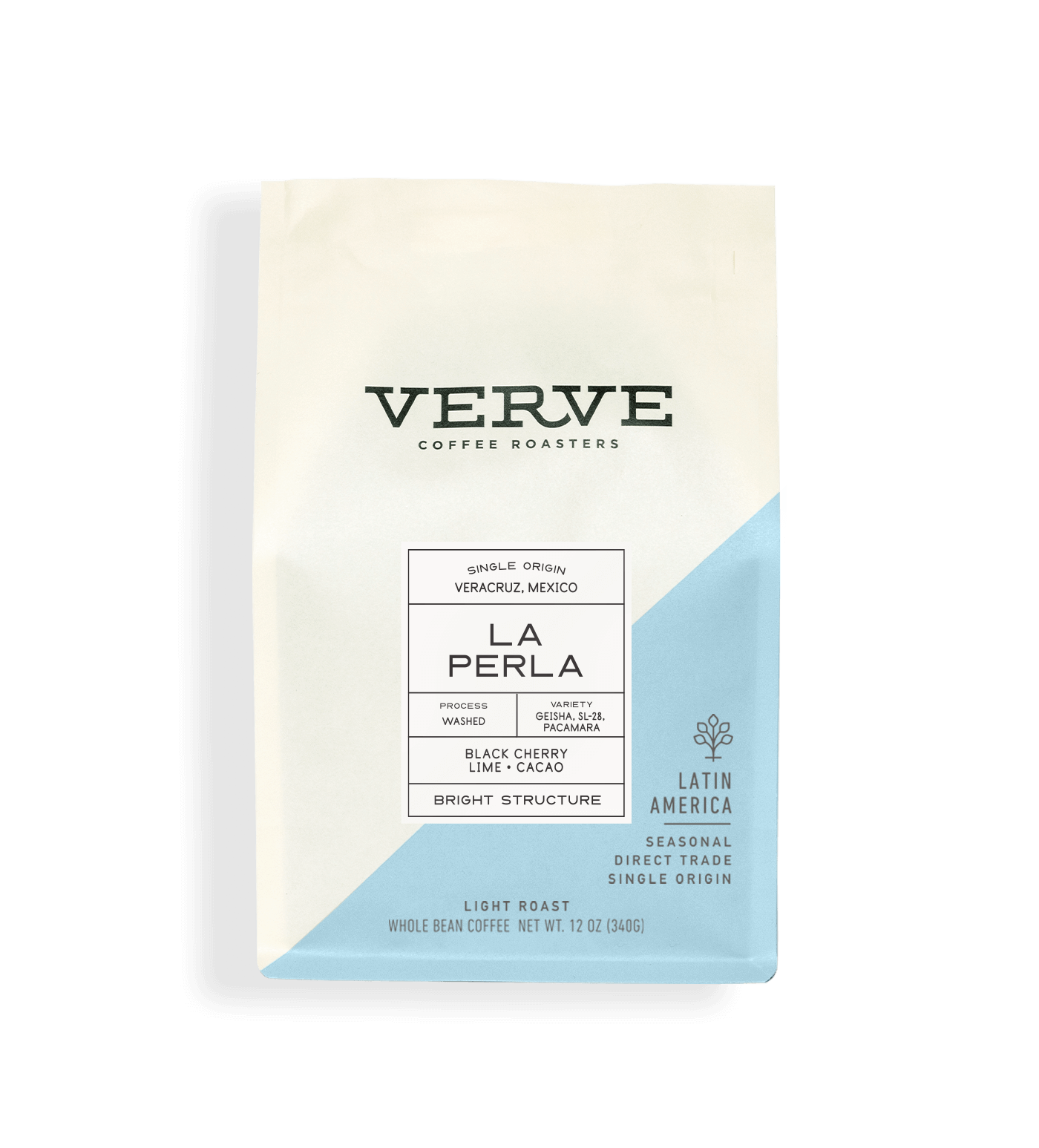
Origins tag
Ixhuacán de los Reyes, Veracruz and Quimixtlán, Puebla
1 page on this site carry this tag — reviews, profiles, answers and stories. Tags are derived from our documented data, never invented.
Nearby tagsArabicaBlack CherryCacaoGeisha, SL28, and PacamaraLightLimeSingle originSpecialtyVarious smallholders in Ixhuacán de los Reyes and Quimixtlán
Quick answer — what is Ixhuacán de los Reyes, Veracruz and Quimixtlán, Puebla?
Ixhuacán de los Reyes, Veracruz, and Quimixtlán, Puebla, represent vital high-altitude coffee-growing zones in Mexico's east-central highlands. These regions are defined by nutrient-rich volcanic soils and mountainous microclimates that produce balanced, specialty-grade Arabica coffee, characterized by smooth bodies and nuanced acidity. They are essential to the livelihoods of thousands of smallholder farmers who maintain traditional cultivation practices in these ecologically diverse landscapes.
The real story
The regions of Ixhuacán de los Reyes in Veracruz and the neighboring areas of Puebla, including Quimixtlán, sit at the heart of Mexico’s high-altitude coffee production. Veracruz is a cornerstone of Mexican coffee, contributing roughly 25% of the nation's total output, while Puebla, though often overshadowed, provides approximately 15%. These areas are defined by their rugged, mountainous terrain and proximity to active volcanic systems, such as Popocatépetl in Puebla, which deposit mineral-rich soils that are fundamental to the quality of the coffee produced here.
Ixhuacán de los Reyes, situated at an elevation of approximately 1,754 meters, serves as a prime example of the Veracruz coffee landscape. In this municipality, coffee is the primary agricultural product, benefiting from a tropical climate and consistent rainfall. The high altitude allows for slower cherry maturation, a critical factor in developing the complex sugars and acids that define specialty-grade beans. This slow development is a hallmark of the region's terroir, distinguishing it from the lower-altitude robusta production found in other parts of Mexico.
Coffee cultivation in these regions is predominantly the work of small, independent farmers, with the vast majority of operations occupying less than three hectares. This structure preserves a tradition of meticulous, manual harvesting. In Puebla, the industry is deeply connected to indigenous communities, such as the Totonacs, who have passed down cultivation techniques through generations. These smallholders often operate within cooperatives, which are essential for accessing specialty markets and ensuring that the unique flavor profiles of their micro-lots reach international roasters.
While specific flavor profiles can vary by farm and processing method, coffee from these regions is generally celebrated for a balanced, sweet cup. Veracruz coffee is frequently noted for a buttery mouthfeel, a smooth finish, and moderate acidity. Puebla’s volcanic-grown coffee is often described as having significant depth and mineral complexity, with recent specialty releases highlighting notes of cinnamon and candied fruit. The standard processing method remains the washed process, which emphasizes the clarity and brightness of the bean.
Harvesting in these Mexican highlands typically occurs between November and March, though local microclimates can shift these windows. The reliance on shade-grown techniques is common, as the canopy protects the coffee plants from direct sunlight and helps maintain the biodiversity of the region. This practice not only supports the health of the coffee trees but also contributes to the environmental stability of the mountainous slopes, preventing erosion and preserving the soil quality that makes these regions so productive.
Today, the story of Ixhuacán de los Reyes and Puebla is one of transition. While Mexico remains a top-10 global exporter, there is a concerted effort to move beyond commercial-grade production toward high-value specialty coffee. By leveraging their unique volcanic terroir and the expertise of smallholder farmers, these regions are increasingly recognized for their ability to produce high-quality Arabica that competes on the global stage, offering roasters and consumers a distinct alternative to more widely known origins.
Sources behind this explanation
- https://ebrucoffeeco.com/blogs/culture/from-farm-to-cup-understanding-coffee-production-in-mexico
- https://www.aboutcoffee.org/origins/coffee-regions-of-the-world
- https://en.wikipedia.org/wiki/Ixhuac%C3%A1n
- https://mexicodailypost.news/2025/01/10/starbucks-launched-its-new-coffee-grown-in-puebla
- https://worldcoffeeresearch.org/countries/mexico
- https://dropofdrink.com/best-coffee-puebla
Coffee reviews & profiles
1 page