4.8
1 page on this site carry this tag — reviews, profiles, answers and stories. Tags are derived from our documented data, never invented.
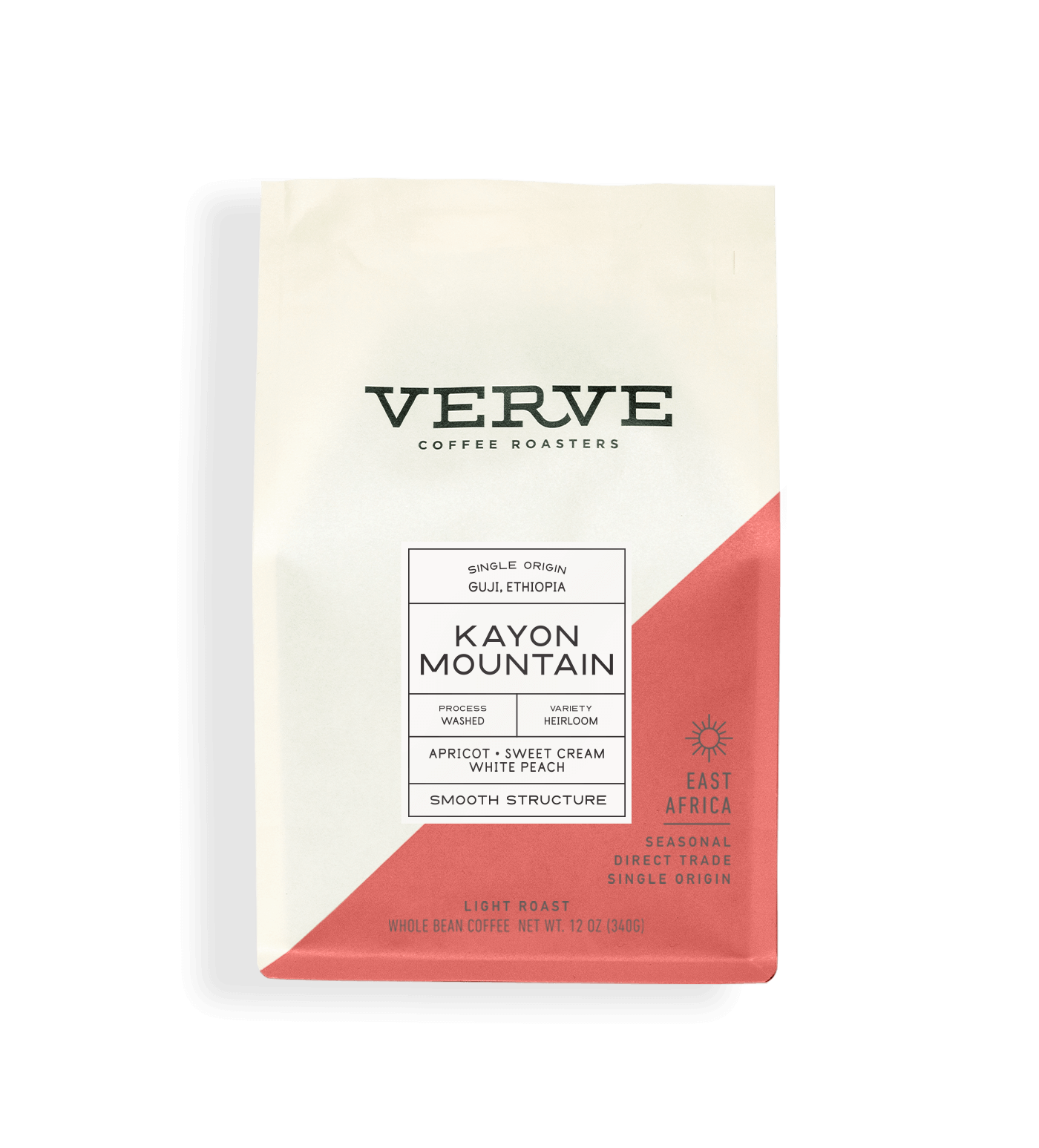
Kayon Mountain Coffee Farm PLC is a prominent, family-owned, vertically integrated coffee producer in Ethiopia’s Guji zone. Established in 2012 by Ismael Hassen Aredo, the farm is notable for providing rare, single-estate traceability in a region traditionally dominated by smallholder cooperatives, while maintaining high standards for organic-certified, shade-grown Arabica production.
Kayon Mountain Coffee Farm PLC represents a significant shift in the Ethiopian coffee landscape, moving from the traditional cooperative-heavy model toward a vertically integrated, single-estate approach. Founded in 2012 by Ismael Hassen Aredo and his family, the enterprise is rooted in the Guji zone, a region historically celebrated for its distinct, high-altitude coffee profiles. The founders, who come from generations of coffee growers in the Kercha District, established the farm to exert greater control over the quality, processing, and export of their specialty Arabica coffee.
The primary estate, located in the Shakiso district, spans 500 hectares, with approximately 300 hectares dedicated to coffee cultivation. The property sits at an elevation of 1,900 to 2,200 meters above sea level, crossing the borders of the Taro and Sewana villages. This high-altitude environment, characterized by fertile sandy clay loam soil, provides the ideal conditions for the slow maturation of coffee cherries, which contributes to the refined sweetness and vibrant, fruit-forward acidity for which Kayon Mountain coffee is recognized.
Sustainability and environmental stewardship are central to the farm's operations. The coffee is grown under a canopy of indigenous trees, such as acacia, which provide necessary shade and protection for the plants. The farm maintains an on-site nursery to cultivate these native species, and organic matter from these trees is repurposed to create nutrient-rich compost, serving as a natural fertilizer for the coffee trees. This commitment to ecological health is paired with a focus on social responsibility, as the farm employs over 300 seasonal and full-time workers, often paying premium wages to incentivize experienced pickers to return each harvest season.
Processing at Kayon Mountain is highly meticulous and vertically integrated. The farm operates its own wet and dry mills, with a processing capacity of up to 5,000 kilograms per hour. During the harvest season, which typically runs from November to January, the farm processes both washed and natural lots. In the natural process, cherries are carefully sorted and dried on raised beds for 8 to 25 days, depending on weather conditions, to enhance the coffee's characteristic blueberry and molasses notes. The farm’s ability to manage the entire chain—from cultivation to the final export—ensures a level of traceability that is often difficult to achieve in Ethiopia.
Beyond the primary Shakiso estate, the company has expanded its footprint to include additional processing sites and farms in the Guji and Kercha districts. This expansion allows the company to work with selected smallholder farmers in the surrounding areas, further integrating them into their quality-focused supply chain. By maintaining its own hulling and washing stations, Kayon Mountain ensures that its Grade 1 specialty lots meet the rigorous standards required by international specialty roasters.
For the consumer and the roaster, Kayon Mountain serves as a benchmark for Ethiopian specialty coffee. Its consistent presence in the global market is a testament to the efficacy of its management and the quality of its terroir. By bridging the gap between traditional smallholder farming and modern, large-scale estate management, the farm has secured a reputation for reliability, transparency, and excellence in one of the world’s most complex coffee-producing regions.