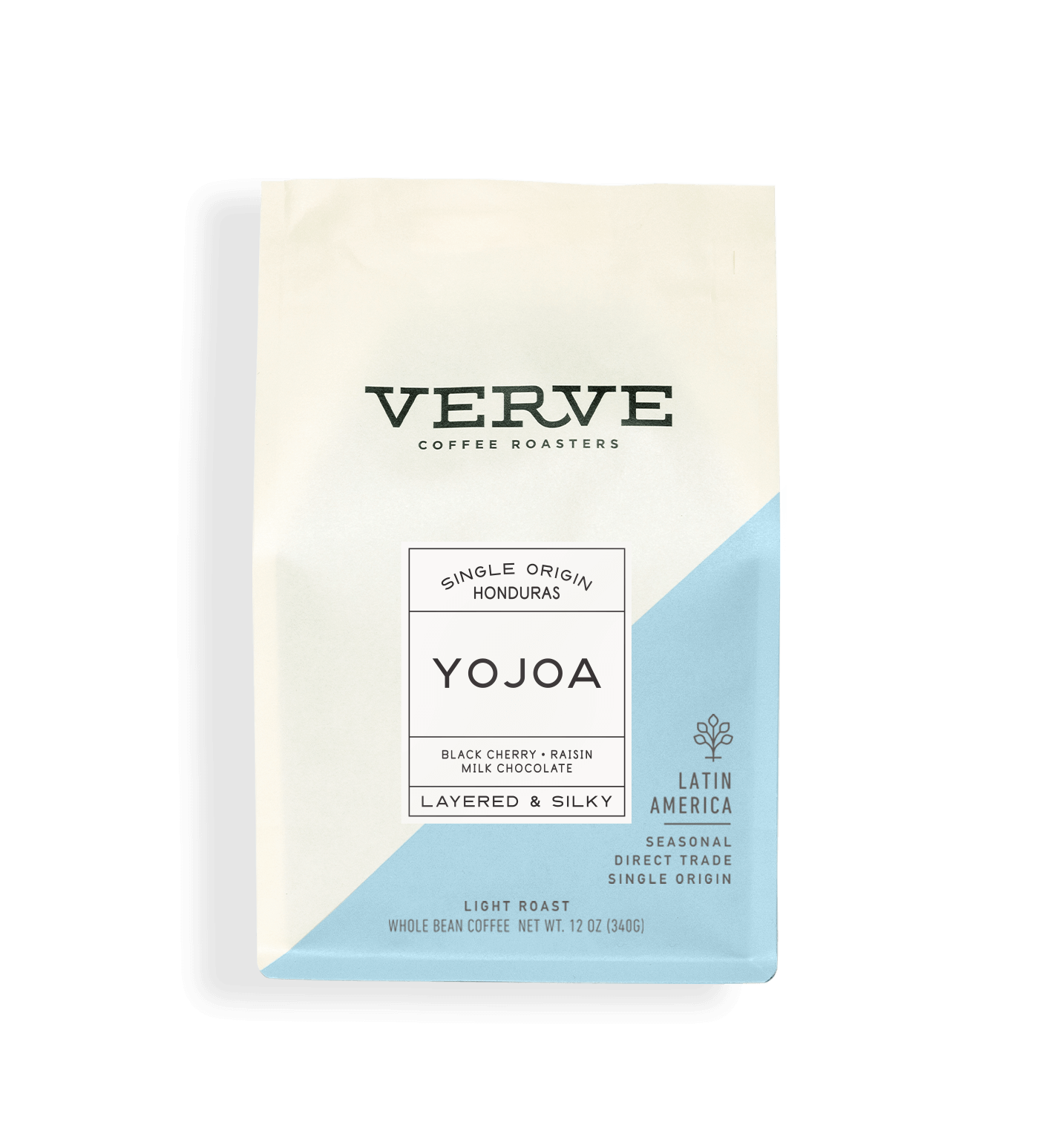
Origins tag
Lake Yojoa / Santa Bárbara mountains
1 page on this site carry this tag — reviews, profiles, answers and stories. Tags are derived from our documented data, never invented.
Nearby tagsArabicaBlack CherryLightMilk ChocolateRaisinSingle originSpecialtyVarious (not individually disclosed)Various producers
Quick answer — what is Lake Yojoa / Santa Bárbara mountains?
The Santa Bárbara mountains, situated near Lake Yojoa in Honduras, represent the country's specialty coffee vanguard. This region is renowned for its high-elevation micro-lots that exhibit exceptional fruit intensity and complex acidity, distinguishing it from the country's broader commercial production.
The real story
The Santa Bárbara region, located in the northwestern highlands of Honduras, is widely considered the epicenter of the country's specialty coffee movement. Bordered by the steep slopes of Santa Bárbara National Park and the shores of Lake Yojoa, the area benefits from a unique topography and a series of distinct microclimates. These environmental factors, combined with the dedication of smallholder farmers, have allowed the region to produce coffees that consistently stand out for their quality and flavor profile, often characterized by intense fruit notes and bright, citric acidity.
Coffee production in Honduras has historically faced significant challenges, including the dominance of banana exports in the early 20th century and the devastating impact of Hurricane Mitch in 1998, which destroyed a vast portion of the nation's agricultural infrastructure. Despite these setbacks, the industry has evolved significantly. In recent decades, producers in Santa Bárbara have shifted their focus toward specialty-grade Arabica, moving away from purely volume-based commercial models to prioritize farming practices that enhance cup quality and secure higher market returns.
Geographically, the region is defined by its proximity to Lake Yojoa, a volcanic-field basin that sits at an elevation of approximately 700 meters. The coffee farms themselves are typically situated at much higher altitudes, often ranging from 1,400 to 1,750 meters above sea level. This elevation, paired with the rich, fertile soil of the mountain slopes, creates an ideal environment for slow-maturing coffee cherries, which contributes to the density and complexity of the final cup.
Varieties grown in the Santa Bárbara mountains are diverse, reflecting both traditional and modern agricultural choices. While older, traditional varieties like Typica and Bourbon have long been present, many producers have integrated varieties such as Pacas, Catuai, and Catimor to balance yield with quality. The harvest calendar in this region generally runs from January through April, a period during which the labor-intensive process of selective picking is critical to maintaining the high standards required for specialty micro-lots.
For the roaster and the drinker, Santa Bárbara coffee is synonymous with the 'quality vanguard' of Honduras. Unlike the more uniform, chocolate-toned profiles found in some other Honduran regions, coffees from this area are frequently noted for their shocking fruit intensity, vanilla undertones, and nectarine-like sweetness. This distinct character has fostered long-term, direct-trade relationships between international specialty roasters and local producers, such as those near the town of Peña Blanca.
Today, the story of Santa Bárbara is one of resilience and refinement. The region serves as a model for how smallholder farmers can leverage specific microclimates to elevate their standing in the global market. As the industry continues to face climate-related pressures, the focus in Santa Bárbara remains on climate-smart agricultural practices and the pursuit of excellence, ensuring that this small corner of Honduras remains a vital contributor to the world of specialty coffee.
Sources behind this explanation
- https://en.wikipedia.org/wiki/Lake_Yojoa
- https://sucafina.com/na/origins/honduras
- https://www.proudmarycoffee.com.au/collections/bestsellers/products/honduras-nahun-fernandez-pacas-washed
- https://www.allycoffee.com/coffees/jorge-lanza-la-huerta-catimor-washed
- https://www.aboutcoffee.org/origins/coffee-regions-of-the-world
- https://fudo.fyi/origins/honduras/santa-b-rbara-nw-near-lake-yojoa
- https://volcanacoffee.com/origins/honduras
- https://www.madcapcoffee.mom/blogs/news/coffee-origins-santa-barbara-honduras
Coffee reviews & profiles
1 page