Origins tag
Lourdes de Naranjo
2 pages on this site carry this tag — reviews, profiles, answers and stories. Tags are derived from our documented data, never invented.
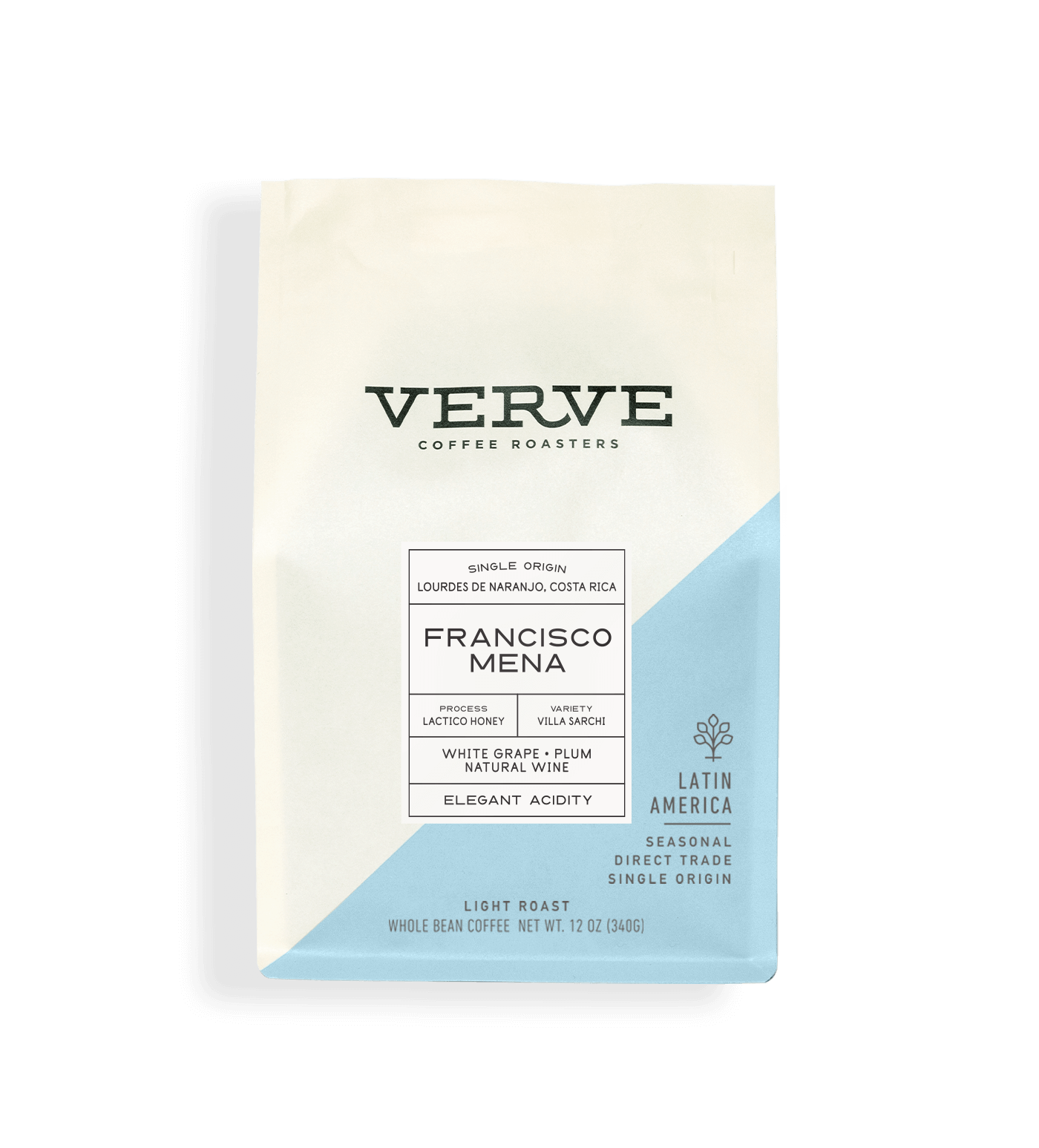
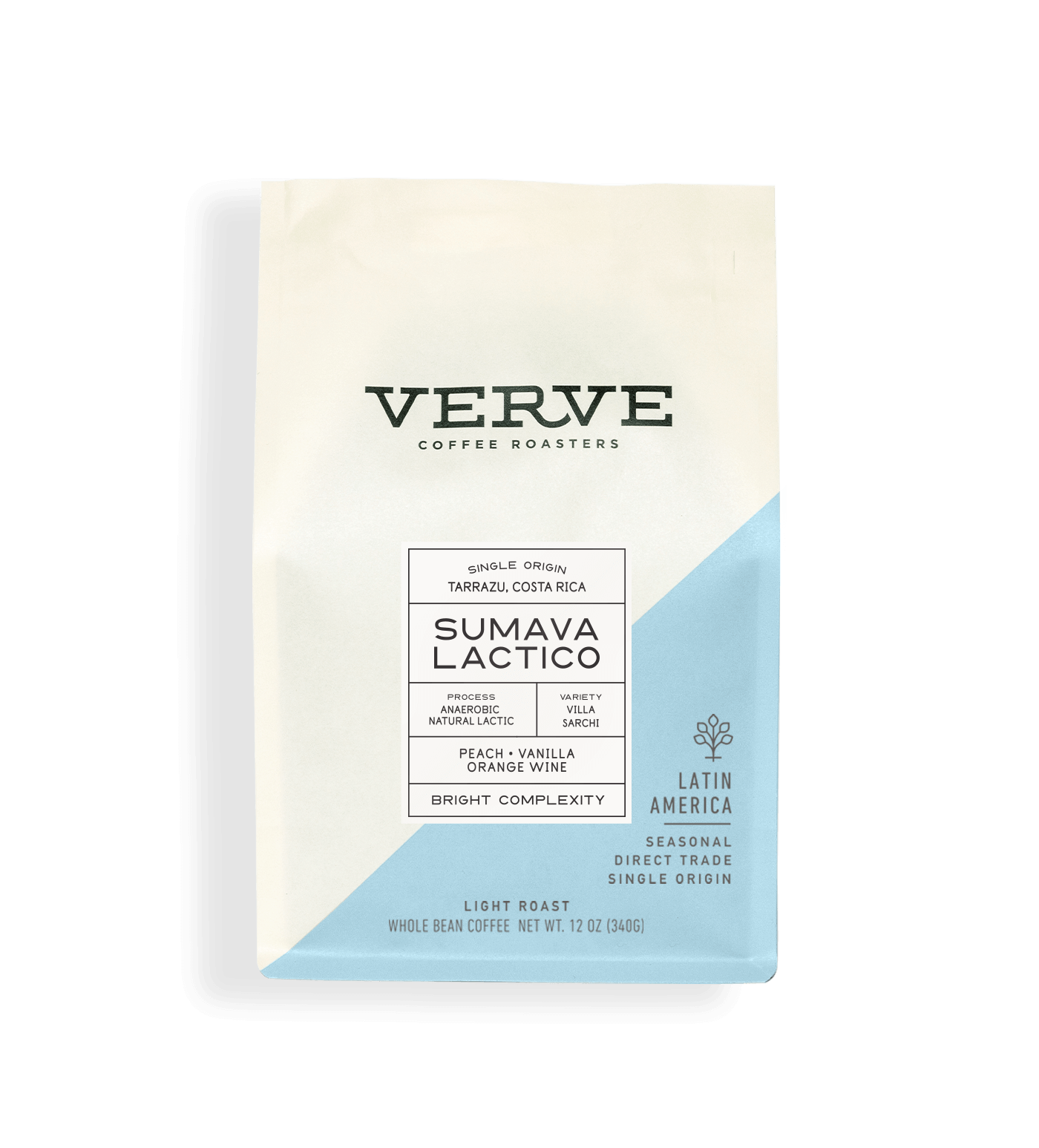
Nearby tagsArabicaFrancisco MenaLightSingle originSpecialtySumava de LourdesVilla SarchiNatural WineOrange WinePeachPlumVanillaWhite Grape
Quick answer — what is Lourdes de Naranjo?
Lourdes de Naranjo is a high-altitude coffee-producing community in the West Valley (Occidente) region of Costa Rica. It is globally significant as the birthplace of the modern micro-mill movement, where the Barrantes Zúñiga family pioneered independent processing to overcome the 2001 coffee crisis, fundamentally shifting the industry toward greater traceability, quality control, and direct producer autonomy.
The real story
Lourdes de Naranjo sits within the West Valley, or Occidente, region of Costa Rica, an area renowned for its complex volcanic soils and high-altitude microclimates. While Costa Rica is historically defined by its large-scale cooperatives and centralized processing mills, Lourdes de Naranjo represents a radical departure from this tradition. It is the epicenter of the micro-mill revolution, a movement that emerged out of necessity during the severe coffee price crisis of 2001, which forced many smallholder farmers to seek new ways to capture value from their harvests.
The story of this origin is inextricably linked to the Barrantes Zúñiga family and their enterprise, Cafetalera Herbazú. Faced with the economic instability of the early 2000s, the family—comprising 13 siblings—began processing their own coffee rather than selling cherry to large, centralized mills. By establishing their own micro-mill, they gained total control over the processing parameters, from fermentation times to drying techniques. This shift allowed them to isolate specific lots and varieties, effectively creating a blueprint for the specialty coffee industry in Costa Rica.
Terroir in Lourdes de Naranjo is defined by elevations typically ranging from 1,500 to 1,800 meters above sea level. These altitudes, combined with the region's specific climatic conditions, provide a slow maturation process for the coffee cherries, which is essential for developing the high sugar content and complex acidity characteristic of the area. The soil, rich in volcanic minerals, provides the necessary nutrients for the trees to thrive, while the shade-grown practices common in the area help maintain biodiversity and protect the delicate coffee plants from direct, harsh sunlight.
Varietal diversity is a hallmark of the producers in this area. While traditional varieties are present, the region is known for its experimentation with cultivars like San Roque, which has gained recognition in international competitions such as the Cup of Excellence. The processing methods employed here are diverse, ranging from traditional washed processes to innovative honey and natural preparations, all managed with the precision that only a small-scale, family-run mill can provide.
Sensory profiles from Lourdes de Naranjo are frequently cited for their elegance and clarity. Coffees from this origin often exhibit vibrant, fruit-forward notes—such as red grapefruit, stone fruits, and lime—balanced by deep, sweet undertones of vanilla, sugar cane, and a clean, lingering aftertaste. This profile is a direct result of the meticulous attention paid to the harvest, which generally follows the broader Costa Rican calendar of November through March, and the subsequent post-harvest processing.
The impact of Lourdes de Naranjo extends far beyond the borders of the Barrantes family farms. Their success served as a catalyst for over 200 other micro-mills across Costa Rica, fundamentally altering the country's coffee landscape. By proving that small producers could achieve world-class quality and access international markets independently, they empowered a generation of farmers to prioritize traceability and sustainability over volume.
Today, the region stands as a testament to the resilience of the Costa Rican coffee sector. Regulated and supported by the Instituto del Café de Costa Rica (ICAFE), which provides technical development and research, the producers of Lourdes de Naranjo continue to refine their craft. For the roaster and the drinker, this origin represents the gold standard of the 'producer-as-processor' model, offering a transparent link between the high-altitude slopes of the West Valley and the final cup.
Sources behind this explanation