🇲🇽Mexico
Mexico
Pilhuatepec - Washed
specific
Black & White Coffee Roasters
or producer-specific
· Washed
Read the review →2 pages on this site carry this tag — reviews, profiles, answers and stories. Tags are derived from our documented data, never invented.
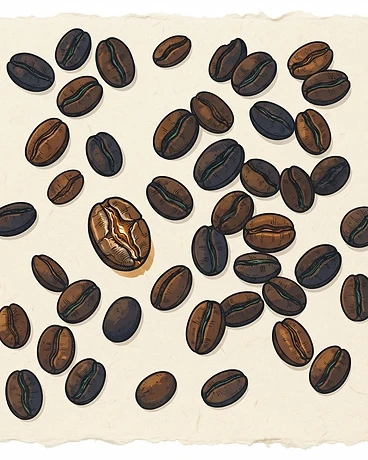
Medium-dark roast is a coffee roast level typically achieved at internal bean temperatures between 437°F and 446°F. It represents a transition point where the coffee's original origin characteristics begin to recede, replaced by a heavier body, reduced acidity, and the emergence of bittersweet, caramelized, or slightly smoky flavor notes.
The medium-dark roast occupies a specific, transitional space on the roasting spectrum, situated between the balanced profile of a medium roast and the intense, carbonized characteristics of a dark roast. In practice, this level is reached as the beans progress past the first crack and approach the second crack, typically hitting internal temperatures in the range of 437°F to 446°F. At this stage, the physical structure of the bean changes significantly; moisture content is further reduced, and the cellular structure becomes more porous, allowing natural oils to migrate to the surface, giving the beans a visible sheen that is absent in lighter roasts.
From a sensory perspective, the medium-dark roast is defined by a trade-off between origin character and roast-derived flavor. While a light or medium roast is designed to highlight the specific terroir—such as the floral notes of an Ethiopian coffee or the citrus brightness of a Central American bean—the medium-dark roast begins to mute these delicate nuances. In their place, the roasting process introduces deeper, more robust flavors. Drinkers can expect a heavier, more viscous body and a marked decrease in perceived acidity, replaced by notes of dark chocolate, brown sugar, and occasionally a subtle, pleasant charred or smoky edge.
For the roaster, achieving a consistent medium-dark profile requires precise control over the development time following the first crack. Because the beans are more porous and have less moisture, they are more susceptible to heat, meaning the final stages of the roast must be carefully managed to avoid over-development, which can quickly lead to harsh, acrid, or overly bitter flavors. This roast level is often favored for coffees intended for espresso blends or for consumers who prefer a 'classic' coffee profile that feels substantial and comforting rather than bright or acidic.
In the context of the specialty coffee industry, the medium-dark roast is viewed as a functional tool rather than a stylistic default. It is frequently employed to provide a consistent, reliable cup for coffees that may lack the high-end complexity required for lighter roasting, or to create a base for milk-based beverages where a bolder flavor profile is needed to cut through the sweetness of dairy or plant-based alternatives. By emphasizing body and sweetness over acidity, it serves as a bridge for consumers transitioning from commodity-grade coffee to specialty offerings.
Farmers and producers often see their high-quality, high-altitude beans roasted to lighter levels to showcase the labor-intensive processing methods they employ. However, the medium-dark roast remains a vital part of the market, particularly in regions where traditional coffee culture favors a heavier, more intense cup. It is a testament to the versatility of the coffee bean that it can be manipulated to suit such a wide range of preferences, from the delicate, tea-like qualities of a light roast to the bold, bittersweet intensity of a medium-dark profile.
Ultimately, the decision to roast to a medium-dark level is a deliberate choice to prioritize texture and roast-driven sweetness. It is a profile that rewards the drinker with a smooth, full-bodied experience, making it a staple in many home and commercial brewing setups. Whether enjoyed as a drip coffee or as the foundation of a latte, the medium-dark roast remains a cornerstone of global coffee consumption, valued for its consistency and its ability to deliver a rich, satisfying cup.