Flavor · roast
Understand what you taste
Why floral, fruity, chocolatey or bright?
Use a tasting vocabulary, learn how perception works and search documented descriptors without treating roaster notes as our own tastings.
30 pages on this site carry this tag — reviews, profiles, answers and stories. Tags are derived from our documented data, never invented.
Almond is a recognized tasting note in coffee that describes a specific nutty, often sweet or slightly bitter aroma and flavor profile. It is a key attribute in the World Coffee Research Sensory Lexicon, helping professionals and enthusiasts identify and categorize the complex chemical compounds developed during the roasting process.
Research entry updated 2026-10-06 · not source-audited · 6 sources
The 'almond' descriptor is a foundational element in the professional sensory analysis of coffee, formally recognized by the World Coffee Research (WCR) Sensory Lexicon as one of 24 key attributes. When a taster identifies almond in a cup, they are detecting a specific subset of volatile organic compounds that evoke the sensory experience of the Prunus dulcis nut. This note is rarely a singular chemical event; rather, it is the result of a complex interplay between the coffee's genetic potential, its terroir, and the transformative heat of the roasting process.
At the chemical level, the almond note is often associated with compounds such as benzaldehyde, which provides a sharp, sweet, and sometimes bitter almond or cherry-like aroma. Other pyrazines, such as methyl ethoxypyrazine, contribute to the 'nut skin' or roasted almond character, bridging the gap between raw nuttiness and the toasted qualities developed during roasting. These compounds are not added to the coffee; they are inherent to the bean's composition and are unlocked through the Maillard reaction, a non-enzymatic browning process that occurs when proteins and free amino acids react under heat.
The development of these flavors begins long before the roast. The genetic variety of the coffee plant, combined with environmental factors like altitude, soil composition, and climate—collectively known as terroir—determines the precursor compounds available in the green bean. For instance, while some origins are celebrated for floral or fruity notes, others, particularly those with specific mineral profiles or processing methods, may lean toward the nutty and brown-spice spectrum where almond notes reside.
For the roaster, the almond note is a target that requires precise control of the Maillard reaction. If the roast is too light, these complex nutty compounds may not fully develop, leaving the coffee tasting grassy or underdeveloped. Conversely, if the roast is too dark, the delicate almond notes can be masked by carbonized, bitter, or overly smoky flavors. Achieving a clear almond note requires a balance that allows the bean's inherent sweetness and nuttiness to emerge without being eclipsed by the roast profile.
In practice, a taster recognizes almond by looking for a specific 'nutty' quality that is distinct from the heavier, earthier notes of a peanut or the creamy, fatty profile of a macadamia. It often carries a slight, pleasant bitterness or a 'marzipan' sweetness that lingers on the palate. Because sensory perception is subjective, the WCR Sensory Lexicon provides standardized references to ensure that when a professional describes a coffee as having an 'almond' note, they are communicating a consistent, measurable sensory experience.
Today, the study of these flavors is more rigorous than ever. Organizations like the Specialty Coffee Association (SCA) and World Coffee Research utilize these descriptors to bridge the gap between sensory experience and chemical analysis. By mapping specific flavor attributes to chemical compounds, researchers can better understand how agricultural practices and processing techniques influence the final cup, ultimately helping farmers produce higher-quality coffee and roasters highlight the unique characteristics of each harvest.
This topic connects to broader guides. Follow the sequence, or return to the complete TAG directory to explore other subjects.
Why floral, fruity, chocolatey or bright?
Use a tasting vocabulary, learn how perception works and search documented descriptors without treating roaster notes as our own tastings.
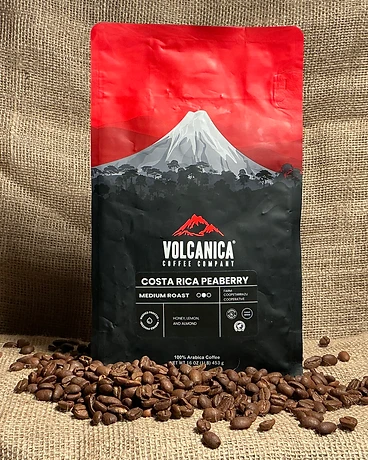
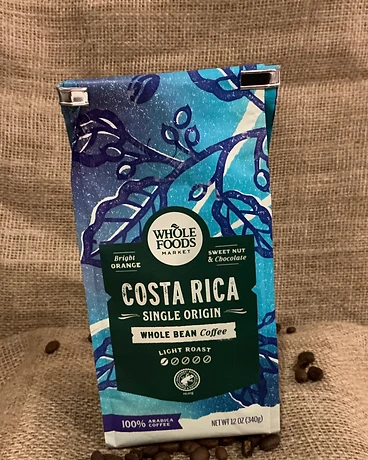

 Editorial illustration
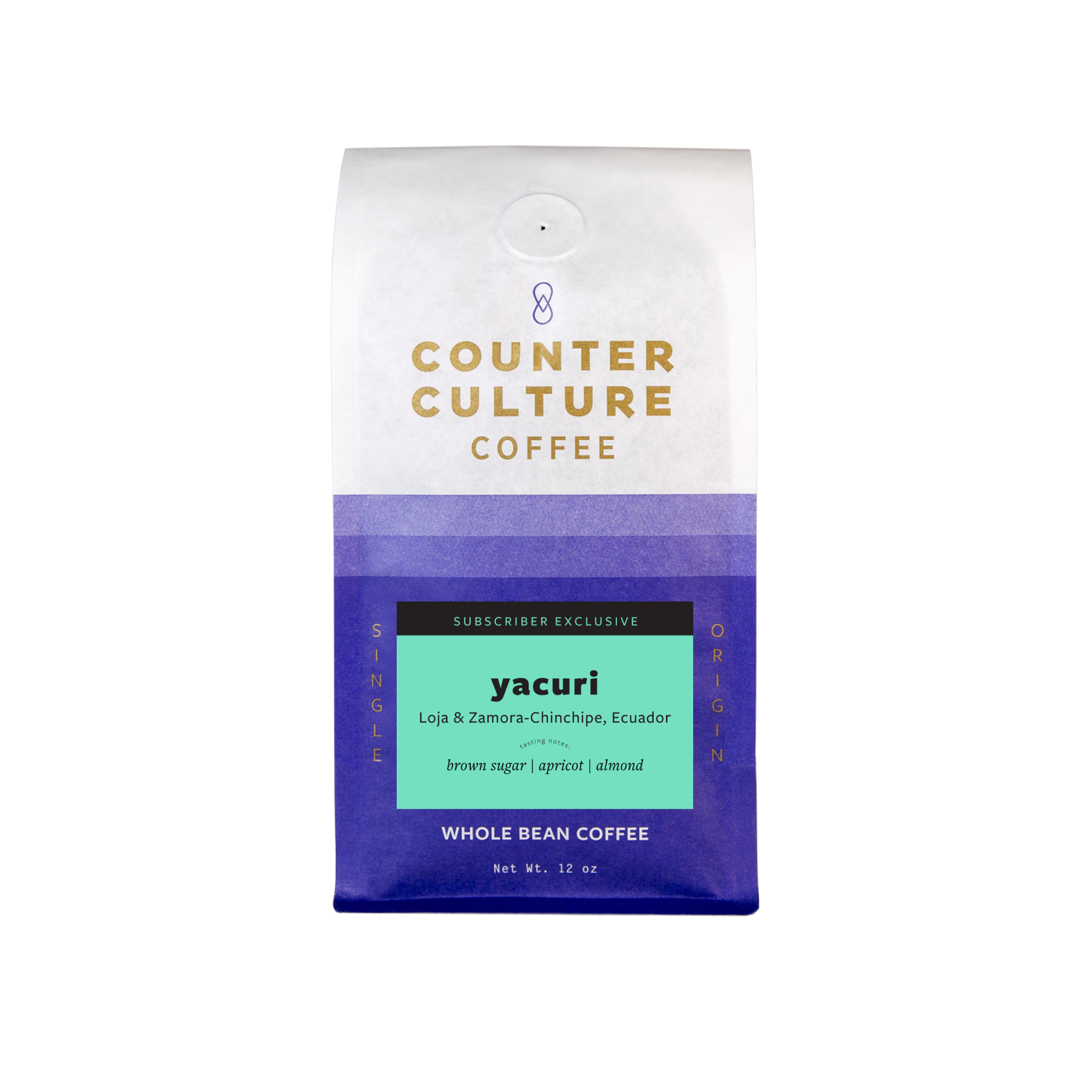
 Editorial illustration
 Editorial illustration
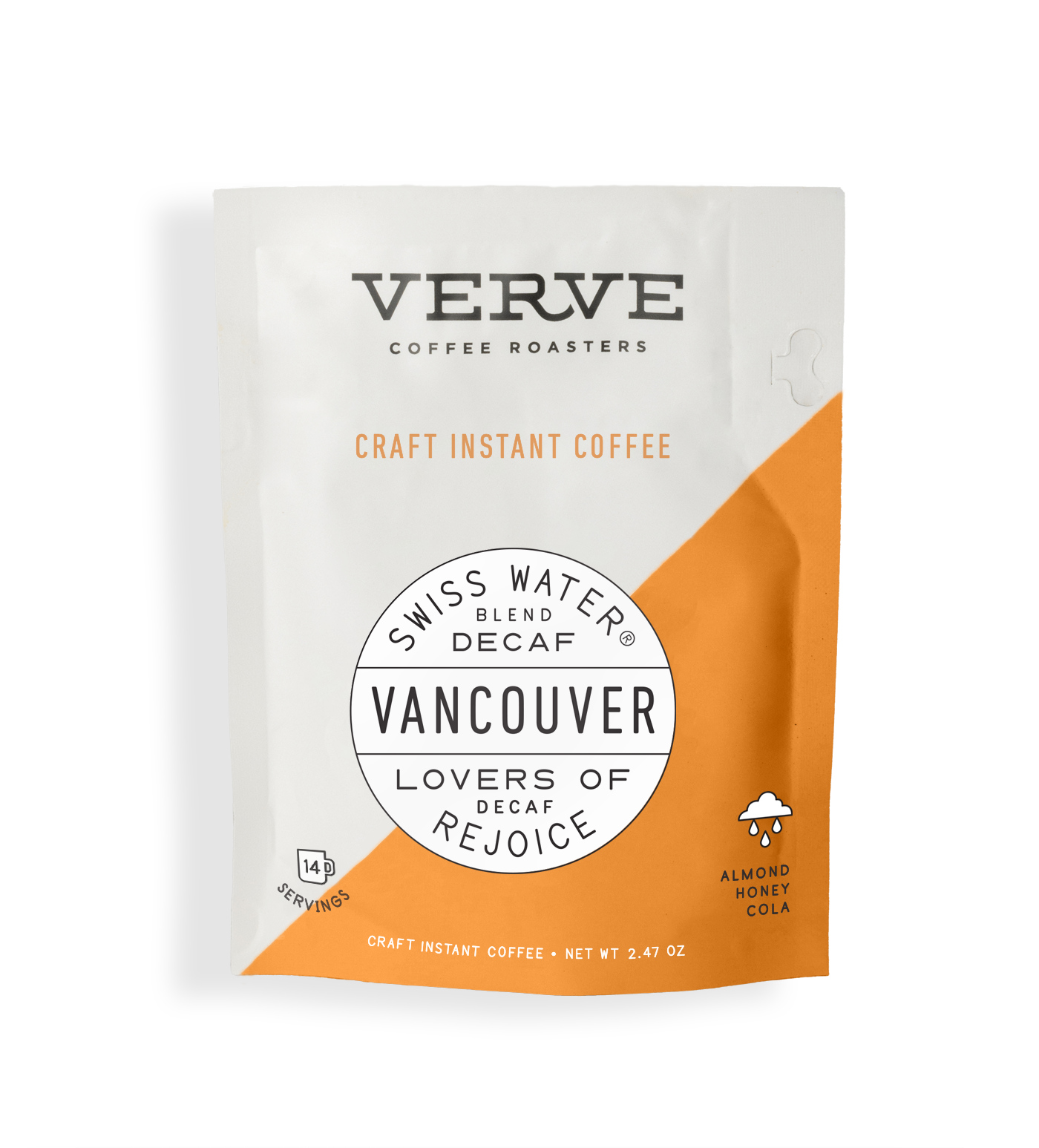
Blend · Colombia · Uganda

Blend · Component origins documented on the coffee profile where available
 Editorial illustration
 Editorial illustration
Learn something new, follow the people behind your cup, or explore by flavor and tags.


