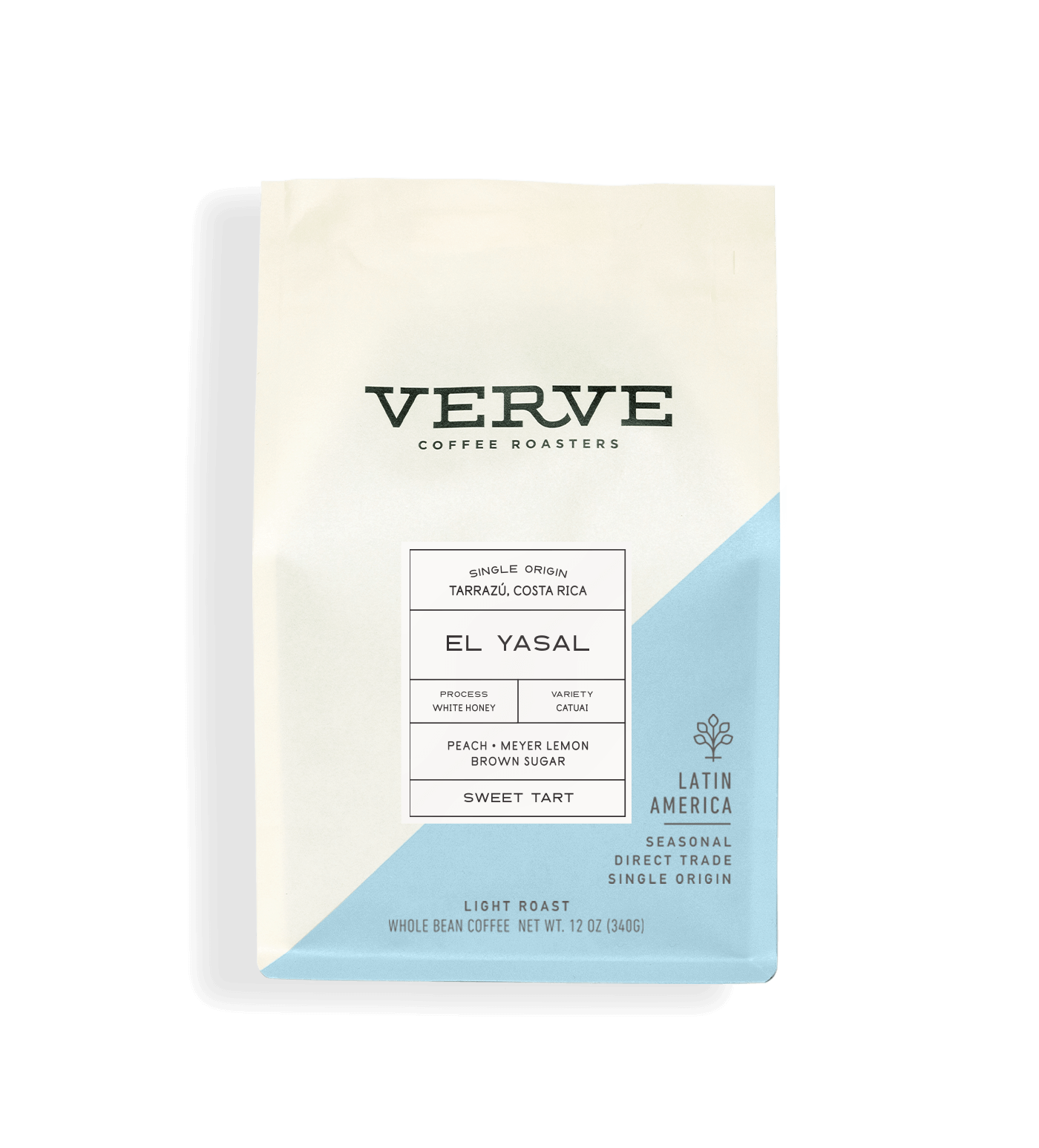
Origins tag
Ojo de Agua, Tarrazú
1 page on this site carry this tag — reviews, profiles, answers and stories. Tags are derived from our documented data, never invented.
Nearby tagsArabicaBrown SugarCatuaíEmilio “Milo” and Laura GamboaFinca El YasalLightMeyer LemonPeachSingle originSpecialty
Quick answer — what is Ojo de Agua, Tarrazú?
Ojo de Agua is a specific micro-region or locality situated within the renowned Tarrazú canton of Costa Rica. It represents the high-altitude, volcanic-soil terroir that defines Tarrazú's reputation for producing consistently high-quality, specialty-grade Arabica coffee characterized by bright acidity and clean, chocolate-forward profiles.
The real story
Ojo de Agua is a localized growing area nestled within the Tarrazú canton, a region widely considered the flagship of Costa Rican specialty coffee. Located in the rugged mountains south of San José, this area is part of the broader 'Los Santos' zone, which includes the cantons of Tarrazú, Dota, and León Cortés. The region's reputation is built upon a combination of high elevation, volcanic soil, and a sophisticated processing infrastructure that has allowed it to maintain consistent quality standards for decades.
Coffee production in Costa Rica dates back to the late 18th century, with the government actively incentivizing cultivation throughout the 19th century to stabilize the national economy. In the Tarrazú region, the geography is defined by steep slopes and a unique microclimate created by the Talamanca Sierra. This topography traps moisture and provides the ideal balance of sunlight and precipitation required for high-quality Arabica, which is the only species legally permitted for cultivation in the country.
The terroir of Ojo de Agua benefits from the high-altitude conditions typical of the Tarrazú region, generally ranging from 1,200 to 1,900 meters above sea level. These elevations slow the maturation of the coffee cherry, allowing for a more complex development of sugars and acids. The volcanic soil provides essential minerals, while the region's organized milling infrastructure—often utilizing advanced honey and washed processing methods—ensures that the inherent potential of the bean is preserved through to the final export.
In terms of sensory profile, coffees from this area are celebrated for their reliability. Drinkers can typically expect a clean, balanced cup featuring bright citrus or berry acidity, often rounded out by deep chocolate or nutty undertones. This consistency is a hallmark of the region, which has become so significant that Tarrazú received a Denomination of Origin (DOE) certification in 2019, legally protecting the regional name in a manner similar to wine appellations in Europe.
Harvesting in this region is a labor-intensive, seasonal process that typically spans five months. Because of the steep, mountainous terrain, much of the work is done by hand, often relying on seasonal labor to manage the picking of cherries at their peak ripeness. This manual approach is essential for maintaining the quality standards that roasters and consumers associate with the Tarrazú name, as it allows for selective harvesting that mechanical methods cannot replicate.
For the producer, the Ojo de Agua and broader Tarrazú designation serves as a vital link to the global specialty market. While the number of coffee farmers in Costa Rica has declined significantly since the 1990s due to rising production costs, those who remain in high-altitude zones like Tarrazú focus heavily on quality-driven processing to remain competitive. The region's ability to command a premium for its consistent output remains a cornerstone of the local agricultural economy.
Today, the story of Ojo de Agua is one of refinement and preservation. As the global coffee industry faces challenges related to climate and economic volatility, the established infrastructure of the Los Santos zone provides a model for how regional identity can be leveraged to sustain smallholder farming. For the roaster, a bag labeled with this origin is a promise of the classic, high-elevation Costa Rican profile that has defined the country's specialty coffee identity for generations.
Sources behind this explanation
- https://blog.genuineorigin.com/on-location/costa-rica-coffee-origin-update-july-2024
- https://podiumcoffeeclub.com/blogs/blog/tarrazu-coffee
- https://hiswordcoffee.com/blogs/news/costa-rica-coffee-guide
- https://www.cafebritt.com/blogs/journey-to-origin/a-look-into-the-tarrazu-coffee-region
- https://interamericancoffee.com/costa-rica-san-rafael-tarrazu
Coffee reviews & profiles
1 page