Flavor · roast
Understand what you taste
Why floral, fruity, chocolatey or bright?
Use a tasting vocabulary, learn how perception works and search documented descriptors without treating roaster notes as our own tastings.
69 pages on this site carry this tag — reviews, profiles, answers and stories. Tags are derived from our documented data, never invented.
In coffee, 'brown sugar' is a sensory descriptor used to identify a specific profile of round, molasses-like sweetness and earthy aromatic complexity. It is not caused by residual sucrose, but rather by the development of volatile compounds during the roasting process, specifically through Maillard reactions and the caramelization of sugars.
Research entry updated 2026-10-06 · not source-audited · 4 sources
The 'brown sugar' descriptor is a cornerstone of the Specialty Coffee Association (SCA) Flavor Wheel, categorized under the broader 'Sweet' olfactory group. It is essential for tasters to understand that this note does not indicate the presence of actual sugar in the cup. While sucrose is present in green coffee, it is largely consumed during the roasting process. The perception of brown sugar is instead a sensory impression created by the complex chemical transformation of the bean's internal precursors.
At the heart of this flavor development is the Maillard reaction, a non-enzymatic browning process that occurs between amino acids and reducing sugars when exposed to heat. As temperatures rise during roasting, these reactions produce hundreds of volatile compounds, including pyrazines and aldehydes, which contribute to the roasted, nutty, and sweet aromatic profile. These compounds are responsible for the 'round' and 'earthy' characteristics that tasters associate with brown sugar.
Caramelization serves as the secondary driver for this flavor profile. As the roast progresses and temperatures reach approximately 170-200°C, the thermal decomposition of sugars begins. This process releases aromatic compounds that mimic the sensory experience of molasses and cooked sugar. While Maillard reactions provide the structural complexity, caramelization provides the specific warm, sweet aromatic notes that define the brown sugar descriptor.
For the coffee professional, recognizing brown sugar requires a focus on both aroma and palate. Tasters are encouraged to use sensory analysis techniques, such as taking a deep whiff of the grounds or the brewed coffee to identify toasted, sweet notes before the first sip. Because this flavor is a product of roast chemistry, it is often more pronounced in medium-roast profiles where the balance between acidity and body allows these sweet, molasses-like notes to emerge without being overshadowed by the bitterness of over-roasting or the sharp acidity of an underdeveloped roast.
It is important to note that the exact molecules responsible for the perception of sweetness in coffee remain a subject of ongoing research by the Coffee Science Foundation. While sucrose is the standard reference for sweetness in sensory descriptive analysis, it is not the primary driver of the sweet sensations experienced in a brewed cup. The industry continues to investigate how specific bean varieties, terroir, and processing methods influence the precursors that eventually manifest as these desirable sweet notes.
Ultimately, the brown sugar tag represents the successful marriage of agricultural potential and roasting precision. For the farmer, it reflects the quality of the harvest; for the roaster, it is a target achieved through careful heat management; and for the drinker, it is a hallmark of a balanced, high-quality specialty coffee. By identifying these notes, tasters engage with the sophisticated chemistry that transforms raw green seeds into a complex, aromatic beverage.
This topic connects to broader guides. Follow the sequence, or return to the complete TAG directory to explore other subjects.
Why floral, fruity, chocolatey or bright?
Use a tasting vocabulary, learn how perception works and search documented descriptors without treating roaster notes as our own tastings.
 Editorial illustration
 Editorial illustration

 Editorial illustration
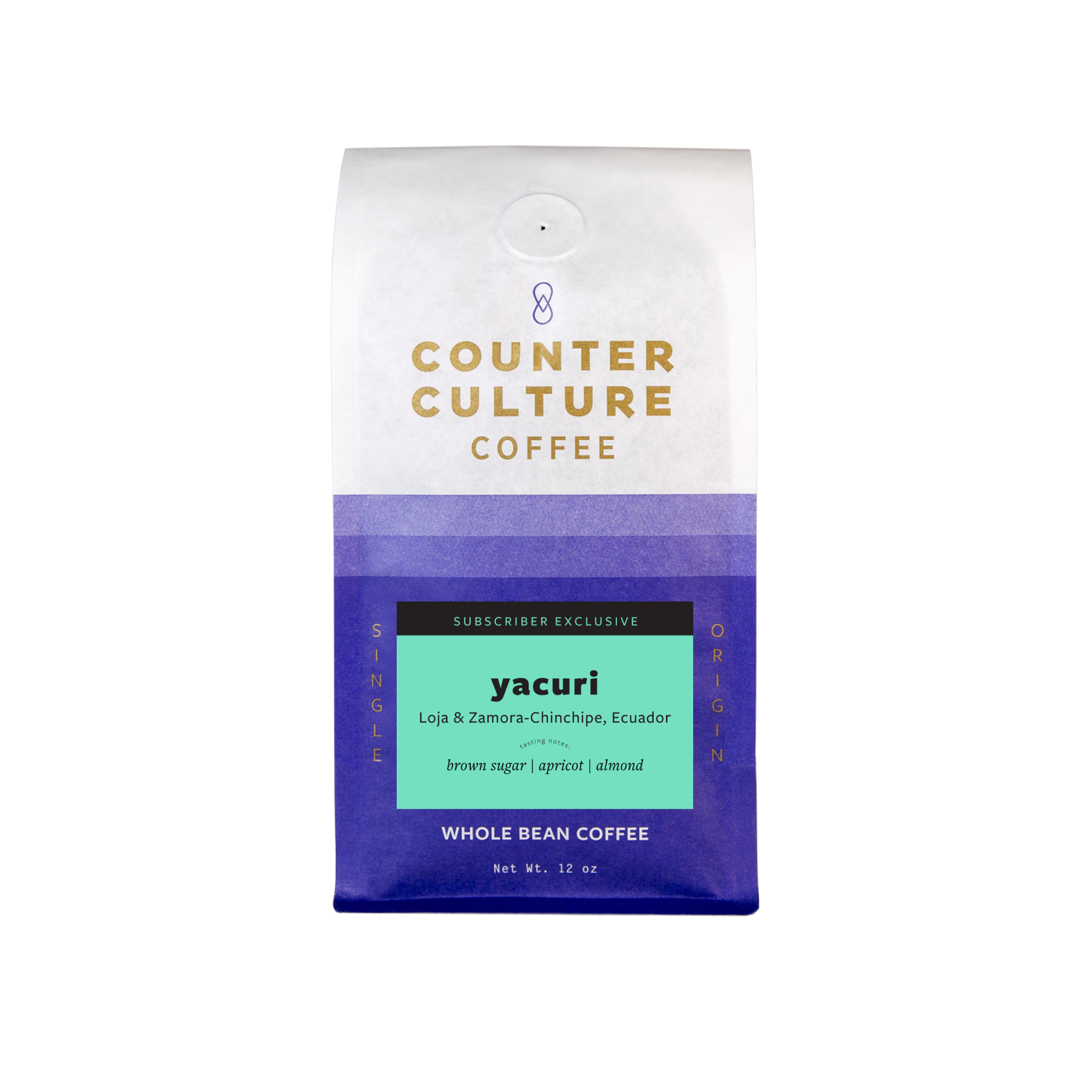
 Editorial illustration
 Editorial illustration
 Editorial illustration
 Editorial illustration


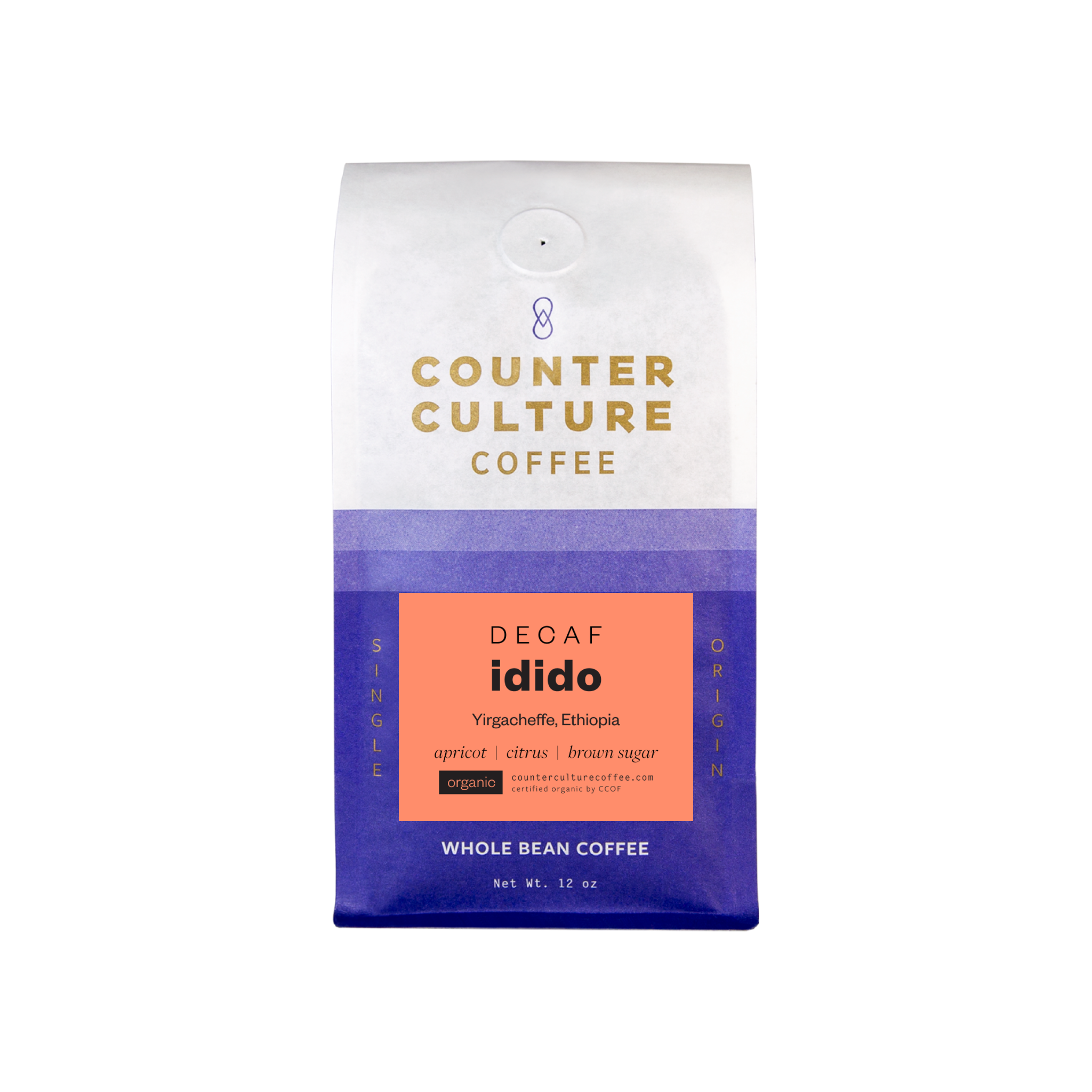
Learn something new, follow the people behind your cup, or explore by flavor and tags.


