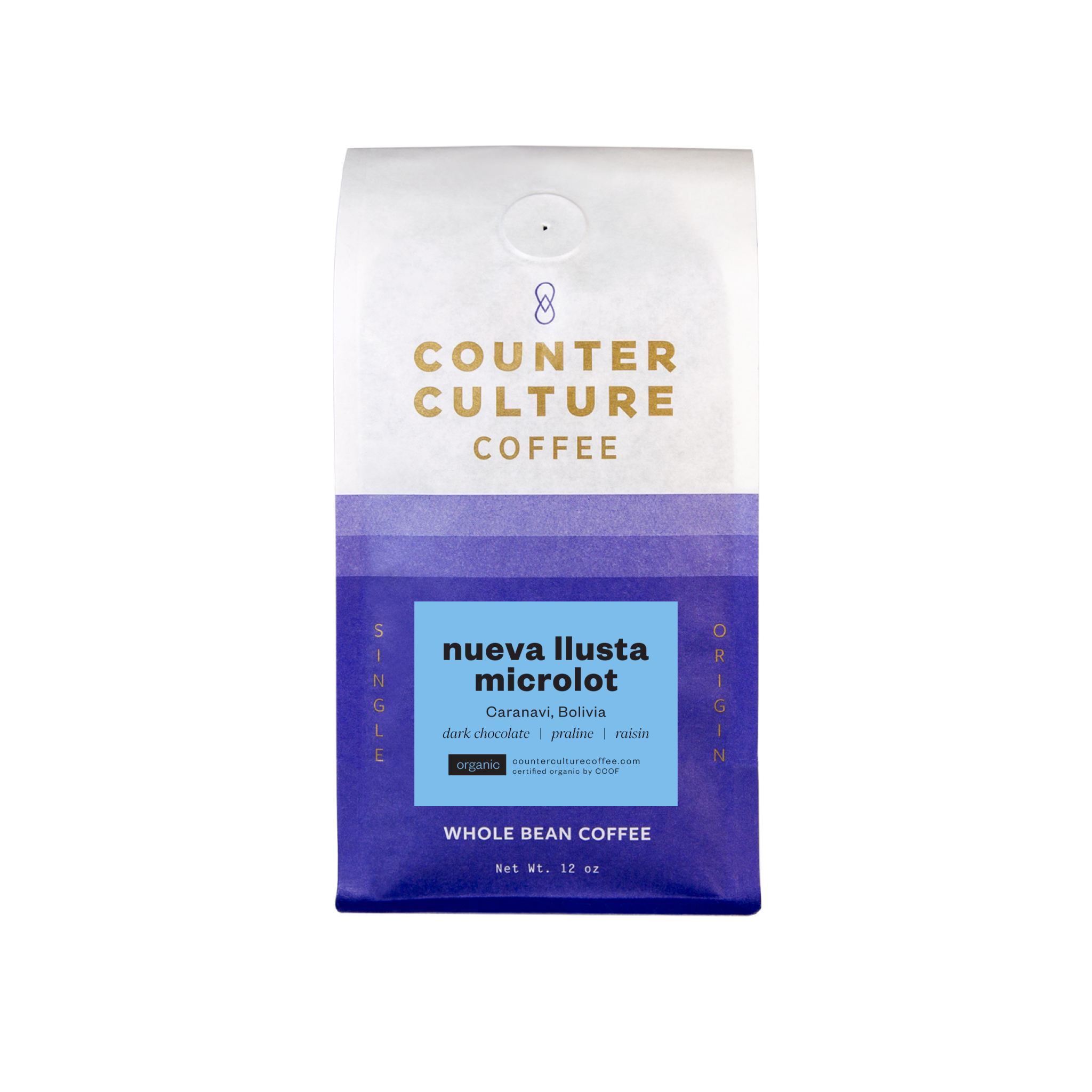
Tasting notes tag
praline
1 page on this site carry this tag — reviews, profiles, answers and stories. Tags are derived from our documented data, never invented.
Nearby tagsArabicaCaranaviCatuaí, Typica, and Caturradark chocolateJorge Caceres, Luis Huayhua, and ZenoviaLightraisinSingle originSpecialty
Quick answer — what is praline?
In specialty coffee, "praline" is a flavor descriptor identifying a complex combination of caramelized sugar and roasted nut notes, reminiscent of pecans, almonds, or hazelnuts encased in hardened sugar. It serves as a vital marker for sweetness and roast-derived depth, signaling high-quality development during processing and roasting. Identifying praline helps tasters distinguish coffees with balanced sugar browning from those that are merely nutty or excessively dark, providing a nuanced vocabulary for coffees exhibiting rich, dessert-like qualities.
The real story
The descriptor "praline" in coffee is not a singular chemical compound but a sensory construct representing a specific harmony of Maillard reaction products and caramelization. To perceive praline is to detect the confluence of nutty, lipid-rich aromatics—primarily pyrazines—and the sweet, buttery notes produced by the degradation of sucrose during roasting. Unlike simple "nutty" notes, which may suggest raw or underdeveloped precursors, praline implies a sophisticated maturity in the cup, often associated with a creamy mouthfeel and a lingering, candy-like sweetness.
At the chemical level, the sensation of praline is rooted in the transformation of green coffee precursors under heat. During the Maillard reaction, amino acids and reducing sugars interact to create a vast array of volatile compounds, including alkylpyrazines, which are responsible for the toasted, nutty aromas found in coffee. When these nutty compounds are balanced by the sweet, buttery, and slightly burnt notes resulting from caramelization, the sensory profile shifts from simple nuttiness to the more complex, confectionary impression of praline.
The journey to this flavor profile begins at the farm, where terroir and variety play a foundational role. High-altitude environments often promote slower cherry maturation, leading to higher sugar density within the coffee seed. When processed—particularly through natural or honey methods—these sugars are further concentrated. Varieties such as Bourbon or Caturra, known for their inherent sweetness and balanced acidity, are frequently cited by sensory judges and professionals as providing the necessary structural foundation for praline notes to emerge during the roast.
Roasting is the critical intervention where these precursors are activated. A roaster must navigate the development phase with precision; too little development results in "peanut-like" or "green" flavors, while too much heat masks delicate sugar notes with heavy carbonization. Achieving a praline note requires a steady application of heat that allows for significant sugar browning and the maturation of nutty aromatics without crossing the threshold into acridity or bitterness. It is a signature of a roast profile that respects the inherent sweetness of the bean while amplifying its savory depths.
For the taster, identifying praline requires distinguishing it from other nut-related descriptors. Where "almond" might suggest a subtle, dry characteristic, or "peanut" might imply a savory, legume-like quality, praline is distinctively heavy and sweet. It is often found in coffees from Central and South America, particularly those with medium roast profiles that emphasize balance. Professional cupping protocols, such as those established by the Specialty Coffee Association (SCA), categorize these sweet, nutty notes within the "Nutty/Cocoa" and "Sweet" branches of the Coffee Taster’s Flavor Wheel, highlighting their role in a well-rounded sensory experience.
The presence of praline in a coffee is a positive indicator of quality for all stakeholders in the supply chain. For the farmer, it validates the effort put into selective harvesting and careful processing, ensuring that the fruit’s sugars are preserved. For the roaster, it serves as a benchmark for successful profile development, indicating that the roast successfully bridged the gap between raw acidity and deep, complex sweetness. For the drinker, it provides a highly palatable, accessible flavor experience that bridges the gap between the familiar comfort of toasted nuts and the indulgence of high-end confectionery.
Ultimately, the study of praline highlights how specialty coffee moves beyond simple "coffee" flavors into a complex lexicon of culinary associations. As our understanding of coffee chemistry deepens—specifically regarding how specific acids and proteins evolve into complex aromatics—descriptors like praline become more than just subjective opinion; they become actionable data points. They reveal the intricate dialogue between the genetics of the plant, the conditions of the harvest, and the technical mastery of the roaster, proving that even the most "traditional" flavors are the result of rigorous, repeatable science.
Coffee reviews & profiles
1 page