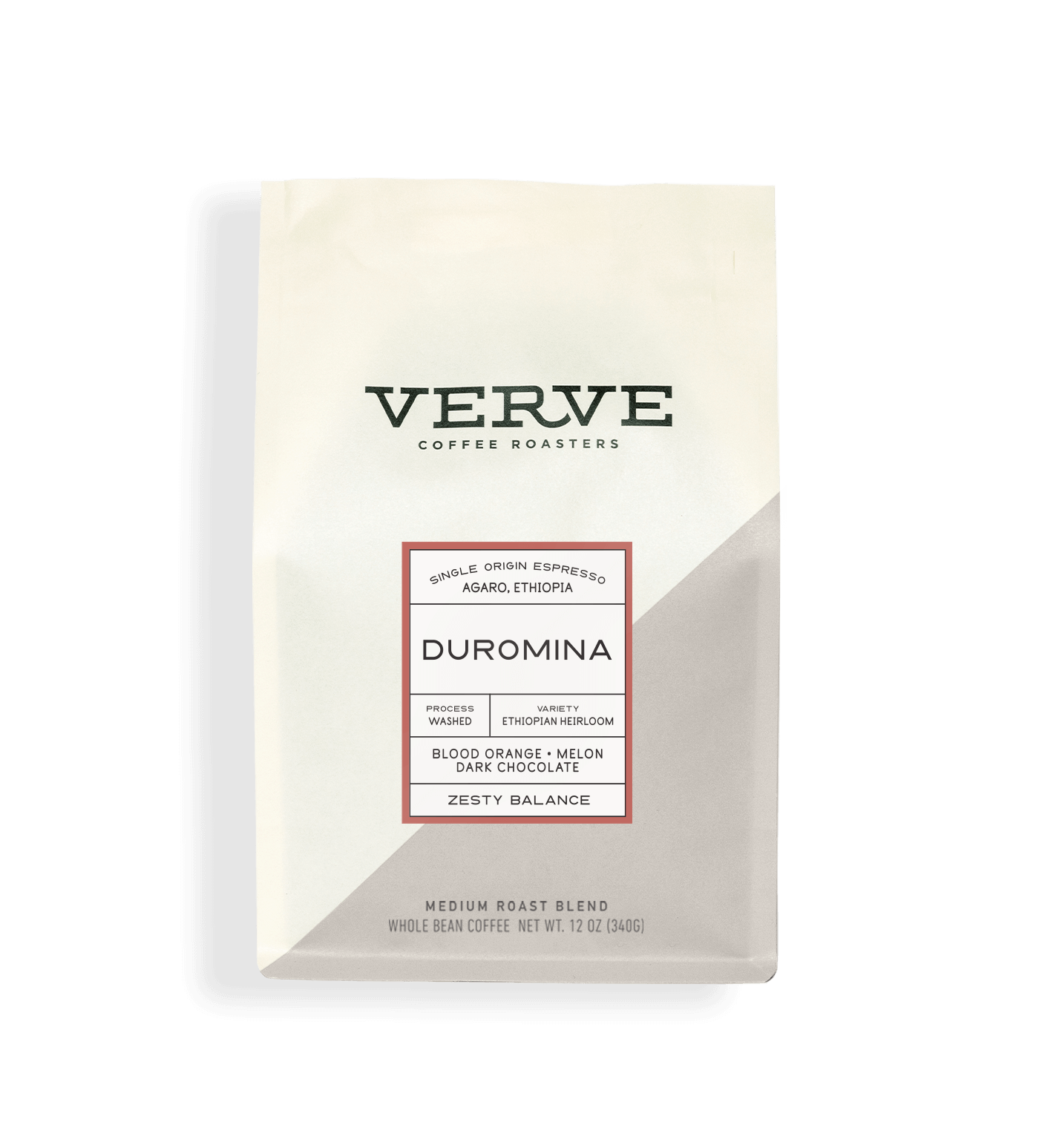
Farms & farmers tag
Producers of the Duromina Cooperative
1 page on this site carry this tag — reviews, profiles, answers and stories. Tags are derived from our documented data, never invented.
Nearby tagsArabicaBlood orangeDark chocolateDuromina CooperativeEthiopian HeirloomJimma Zone, OromiaMediumMelonSingle originSpecialty
Quick answer — what is Producers of the Duromina Cooperative?
The Duromina Cooperative is a renowned producer group in Ethiopia's Jimma Zone, established in 2010 to transition local farmers from low-grade natural processing to high-quality washed coffee. Its success helped redefine the reputation of the Agaro region, proving that smallholder farmers could achieve premium specialty status through cooperative infrastructure and improved processing techniques.
The real story
The Duromina Cooperative, whose name translates to 'to improve our lives' or 'make us rich' in the Afan Oromo language, represents a transformative chapter in Ethiopian specialty coffee. Founded in 2010 by an initial group of 113 smallholder farmers near the town of Agaro in the Jimma Zone, the cooperative was established to address the systemic challenges of the region. Historically, the Djimma area was synonymous with low-quality, natural-processed coffee, often relegated to lower market tiers. By organizing into a formal cooperative, these farmers sought to shift their production toward high-quality, fully washed Arabica, fundamentally altering their economic trajectory.
This transition was facilitated by a partnership with the Technoserve Coffee Initiative, which provided the technical expertise and infrastructure necessary to install a wet mill. This investment allowed the members to move away from traditional, less controlled processing methods toward a rigorous, fully washed protocol. The impact was immediate; by focusing on quality control and processing precision, Duromina helped put the Agaro region on the global specialty coffee map, demonstrating that the area possessed the potential for exceptional cup profiles that were previously overlooked.
Today, the cooperative has grown to include approximately 400 members. These farmers cultivate coffee on small plots surrounding their homes and on the densely shaded hillsides of the Jimma highlands, at elevations ranging from 1,900 to 2,200 meters. The coffee produced consists primarily of indigenous Ethiopian landrace varieties, including specific selections such as 74110 and 74112. These heirloom varieties, combined with the region's unique tropical climate and fertile soil, contribute to the distinct, high-scoring profiles that have earned the cooperative international acclaim.
Structurally, Duromina operates as a member of the Kata Muduga Multipurpose Farmers’ Cooperative Union. Kata Muduga serves as an essential umbrella organization, providing the cooperative with administrative support, marketing services, and logistical assistance. This union is widely recognized for its farmer-focused approach, ensuring that the benefits of the specialty coffee trade are returned directly to the producers. This organizational model has been instrumental in maintaining the cooperative's long-term viability and its ability to consistently export high-grade, fully washed coffee.
In practice, the cooperative's success is defined by its commitment to the washed process. By removing the fruit skin and pulp immediately after harvest and carefully managing fermentation and drying, the members produce clean, vibrant coffees that are highly sought after by specialty roasters worldwide. This shift in processing not only improved the quality of the final product but also allowed farmers to command higher prices, directly fulfilling the cooperative's founding mission of improving the livelihoods of its members.
The legacy of Duromina is now firmly established in the specialty coffee industry. It serves as a benchmark for how cooperative organization and investment in processing infrastructure can revitalize a coffee-growing region. For the drinker, Duromina coffee is recognized for its consistent quality and distinct regional character, while for the roaster, it represents a reliable source of high-quality Ethiopian Arabica. The cooperative remains a vital example of how smallholder farmers, when empowered by democratic structures and technical support, can achieve excellence on the global stage.
Sources behind this explanation
- https://www.coffeereview.com/review/ethiopia-duromina-instant-coffee
- https://sucafina.com/apac/offerings/ethiopia-kedamai-fw-limu-g1
- https://www.stumptowncoffee.mom/pages/producer/producers-duromina-cooperative
- https://sucafina.com/apac/offerings/ethiopia-duromina-fw-limu-g1
- https://www.thebeangeek.com/coffee/duromina-ethiopian-coffee
- https://www.coffeereview.com/review/ethiopia-agaro-gera-duromina-14
Coffee reviews & profiles
1 page