Origins tag
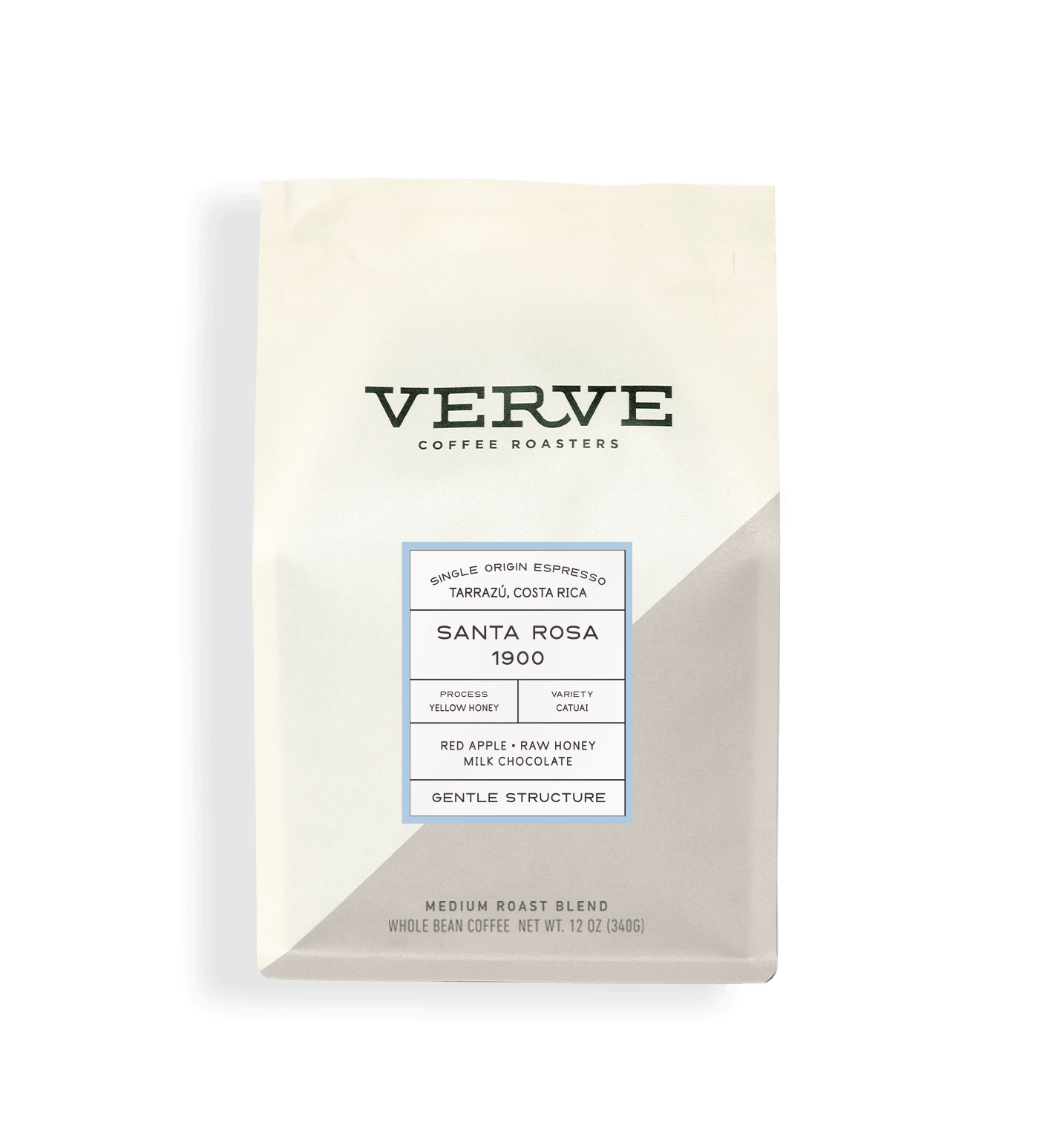
Santa Rosa de León Cortés, Tarrazú
1 page on this site carry this tag — reviews, profiles, answers and stories. Tags are derived from our documented data, never invented.
Nearby tagsArabicaCatuaíEfraín “Macho” and Kevin NaranjaFinca La ObedienciaLightMilk ChocolateRaw HoneyRed AppleSingle originSpecialty
Quick answer — what is Santa Rosa de León Cortés, Tarrazú?
Santa Rosa de León Cortés is a high-altitude sub-region within the renowned Tarrazú coffee zone of Costa Rica. It is globally recognized for producing dense, high-quality Arabica beans that exhibit distinct acidity and complex flavor profiles, often processed at specialized micro-mills.
The real story
Santa Rosa de León Cortés sits within the heart of the Tarrazú region, a mountainous area southeast of San José that is widely considered the most prestigious coffee-producing territory in Costa Rica. The region is locally referred to as 'Los Santos' due to the naming conventions of its cantons, which are dedicated to various saints. Within this landscape, Santa Rosa de León Cortés represents a specific, high-elevation pocket where the combination of volcanic soil and steep topography creates an ideal environment for specialty coffee cultivation.
Coffee production in Costa Rica dates back to the late 18th century, initially flourishing in the Meseta Central before expanding into the rugged terrain of Tarrazú. Over time, Tarrazú has cemented its reputation as a 'coffee gold mine,' currently responsible for approximately 40% of the country's total coffee volume. The vast majority of this output is classified as Strictly Hard Bean (SHB), a designation reserved for coffee grown at elevations above 1,200 meters, which ensures the beans develop the density and concentrated sugars necessary for high-scoring specialty grades.
The terroir of Santa Rosa de León Cortés is defined by its extreme altitude, with some farms reaching up to 2,100 meters above sea level. This elevation slows the maturation of the coffee cherry, allowing for a more complex development of acids and sugars. The sedimentary and volcanic soil composition, paired with the cooling influence of the Pacific and Atlantic oceans, provides a unique microclimate that differentiates these beans from those grown in lower-lying regions of the country.
In practice, the region is characterized by a shift toward micro-mill processing. A notable example is the Santa Rosa 1900 micro-mill, founded in 2009, which processes coffee from family-owned farms in the area. These operations allow producers to maintain greater control over the post-harvest process, often utilizing techniques like drying on African beds to enhance the clarity and profile of the final cup. This model has empowered smallholders to move beyond commodity-grade production and focus on the high-end specialty market.
Characteristic flavor profiles from this area are prized for their bright, vibrant acidity, often accompanied by notes of citrus, berries, and deep chocolate undertones. Because the beans are grown at such high altitudes, they are exceptionally dense, which allows roasters to apply precise heat profiles to highlight the inherent sweetness and complexity. This consistency in quality is why Tarrazú consistently dominates national competition results, including the Cup of Excellence.
For the farmer, the region presents both opportunity and challenge. While the high quality of the coffee commands premium prices, the labor-intensive nature of mountain farming and the reliance on seasonal labor—often including migrant workers—remain critical factors in the local economy. As urban sprawl and climate pressures continue to impact Costa Rican agriculture, the focus in areas like Santa Rosa de León Cortés has shifted toward sustainable, high-value production to ensure long-term viability.
Today, Santa Rosa de León Cortés stands as a benchmark for Costa Rican specialty coffee. It represents the evolution of the industry from large-scale export to a focus on origin-specific, micro-lot quality. For the drinker, it offers a quintessential experience of the 'Tarrazú' profile: a clean, sophisticated, and highly aromatic cup that reflects the meticulous care of the producers working at the limits of the coffee-growing altitude.
Sources behind this explanation
- https://kiwi.itspektar.net/content/wikipedia_en_all_maxi/A/Coffee_production_in_Costa_Rica
- https://en.wikipedia.org/wiki/Coffee_production_in_Costa_Rica
- https://blog.genuineorigin.com/on-location/costa-rica-coffee-origin-update-july-2024
- https://kopkopi.com/get-to-know-our-costa-rica-coffee-beans-rosa
- https://www.cafebritt.com/blogs/journey-to-origin/a-look-into-the-tarrazu-coffee-region
- https://www.royalny.com/blogs/origin-profile-costa-rica
Coffee reviews & profiles
1 page