Varieties tag
SL-28, SL-14, and Nyasaland (locally called Bugisu)
2 pages on this site carry this tag — reviews, profiles, answers and stories. Tags are derived from our documented data, never invented.
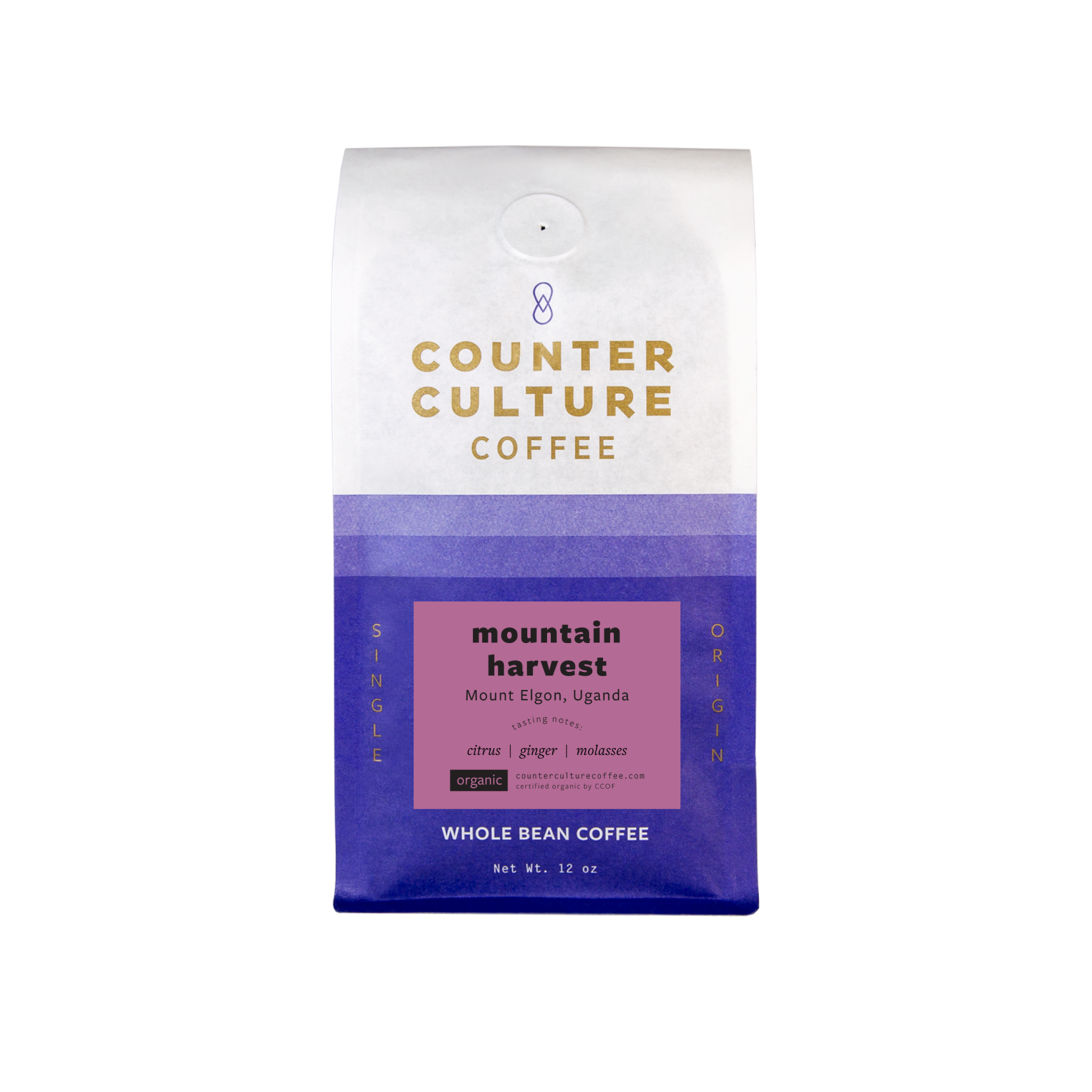
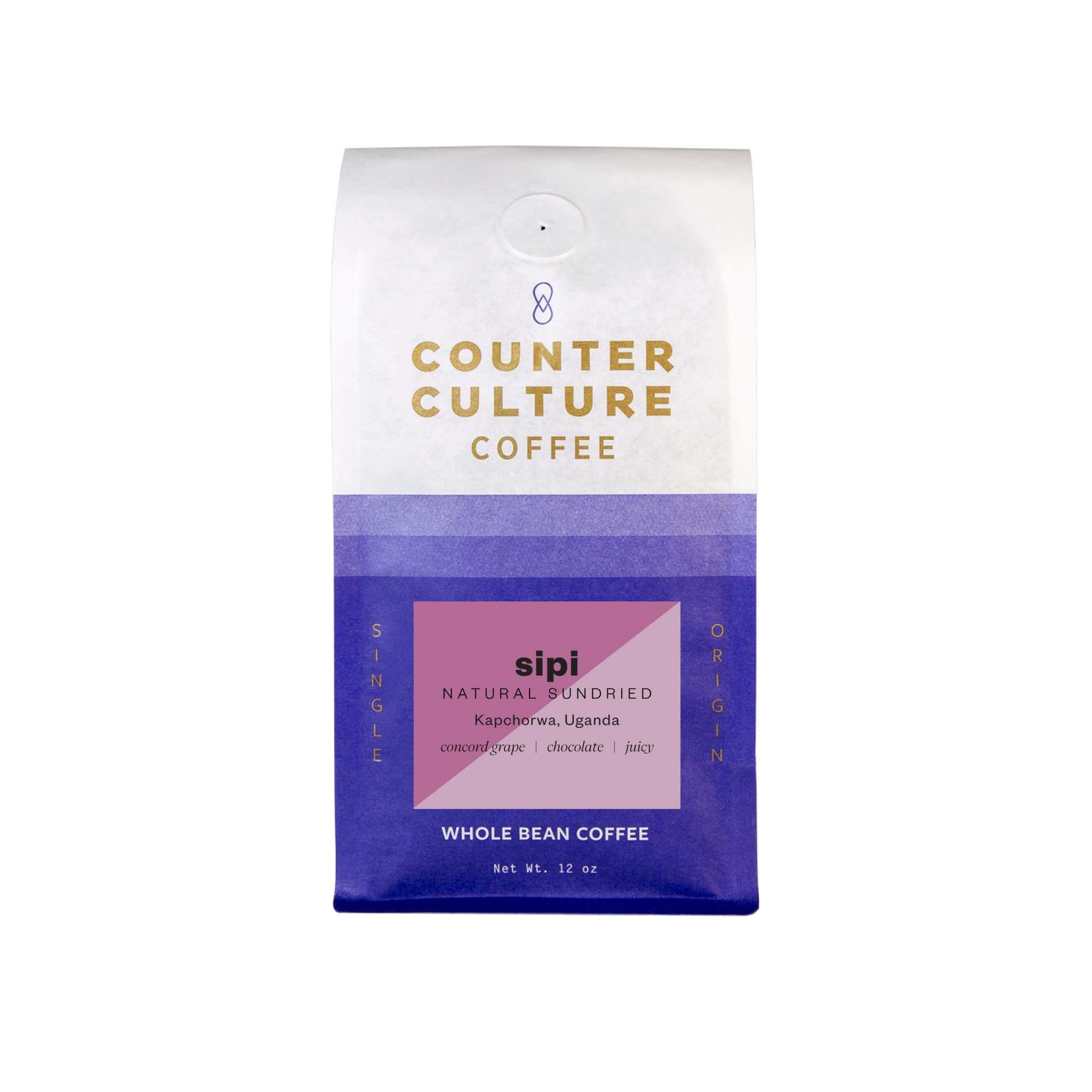
Nearby tagsArabicaLightMount ElgonSingle originSpecialtychocolatecitrusConcord grapegingerjuicy bodyKawacommolassesMountain HarvestMultiple farming communities on Mount Elgon
Quick answer — what is SL-28, SL-14, and Nyasaland (locally called Bugisu)?
SL-28, SL-14, and Nyasaland are distinct Arabica coffee varieties that represent the historical evolution of coffee cultivation in East Africa. While SL-28 and SL-14 are celebrated Kenyan selections prized for their exceptional cup quality and drought tolerance, Nyasaland is a foundational Typica-derived variety that remains a vital crop for smallholder farmers in Uganda and beyond.
The real story
The history of these varieties is rooted in the colonial-era agricultural research conducted in East Africa during the early 20th century. The 'SL' designation refers to the Scott Agricultural Laboratories in Kenya, where researchers sought to identify and propagate coffee trees that could withstand the region's specific environmental challenges. SL-28, selected in 1935, originated from a single tree within a population known as 'Tanganyika Drought Resistant.' Genetic analysis has since confirmed that SL-28 belongs to the Bourbon genetic group, and it is widely regarded as one of the most prestigious varieties for its complex, fruit-forward acidity and wine-like structure.
SL-14, another product of the Scott Laboratories, shares a similar pedigree of intentional selection for regional adaptation. While early assumptions often grouped these varieties together, modern DNA fingerprinting has clarified their lineages; for instance, while SL-28 is Bourbon-related, other selections like SL-14 have been identified as belonging to the Typica genetic group. These selections were designed to thrive in high-altitude, dry climates, providing farmers with plants that offered both reliable yields and superior sensory profiles that eventually defined the 'Kenyan cup' profile, characterized by notes of blackcurrant and grapefruit.
In contrast to the laboratory-selected SL series, Nyasaland represents a much older lineage. It is one of the earliest Arabica varieties introduced to the African continent, tracing its origins back to Typica seeds brought to Malawi (formerly Nyasaland) from Jamaica in 1878. Known locally in Uganda as 'Bugisu,' this variety has persisted as a staple for smallholder farmers on the slopes of Mount Elgon. Unlike the highly specialized SL selections, Nyasaland is valued for its historical resilience and adaptability to local smallholder systems, despite being more susceptible to major coffee diseases.
In the field, these plants exhibit distinct physical characteristics. SL-28 is a tall plant with broad leaves and distinctive bronze-colored tips, producing large beans that are highly sought after at auction. Nyasaland is also a tall variety, though its agronomic performance and bean size differ from the Bourbon-derived SL selections. Because these varieties are often grown at high altitudes—typically between 1,400 and 2,100 meters for SL-28—they require careful management, particularly regarding their susceptibility to pests and diseases like coffee leaf rust and Coffee Berry Disease (CBD).
For the producer, the choice to plant these varieties is a balance between quality and risk. SL-28 is favored for its ability to command premium prices due to its exceptional cup quality, yet its vulnerability to disease necessitates intensive farm management. Nyasaland remains a practical choice for many smallholders who rely on its established presence in the landscape and its ability to produce a good cup, even if it lacks the specific high-acidity profile of the Kenyan selections. These varieties collectively illustrate the transition from early colonial-era introductions to the sophisticated, science-led breeding programs that followed.
Today, the legacy of these varieties extends far beyond East Africa. While SL-28 has been exported to Latin American countries, its identity remains inextricably linked to the volcanic soils and double-washed processing methods of Kenya. Meanwhile, the continued study of these cultivars by organizations like World Coffee Research ensures that their genetic history is preserved and that farmers have access to accurate data regarding their yield potential and disease resistance. Understanding these varieties is essential for any roaster or drinker looking to appreciate the intersection of botanical heritage and agricultural science in the cup.
Sources behind this explanation
- https://varieties.worldcoffeeresearch.org/varieties/nyasaland
- https://varieties.worldcoffeeresearch.org/build-your-own
- https://www.kew.org/sites/default/files/2024-01/The%20Wild%20Coffee%20Resources%20of%20Uganda.pdf
- https://ozonecoffee.co.uk/blogs/varietals/coffee-varietal-sl-28
- https://library.sweetmarias.com/glossary/sl-28
- https://volcanacoffee.com/varieties/sl28
- https://www.baristamagazine.com/world-coffee-research-varieties