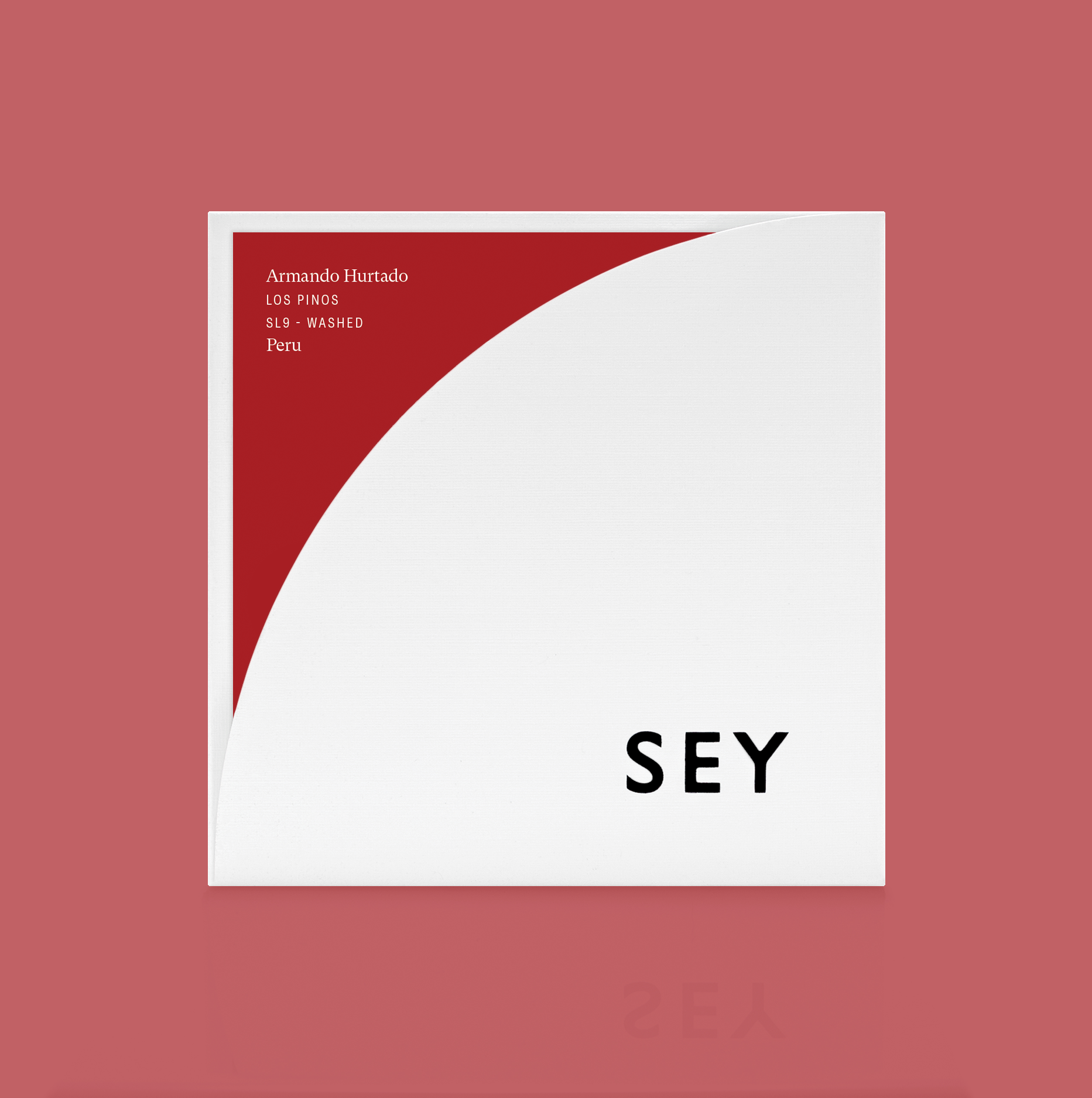
Tasting notes tag
sparkling acidity
1 page on this site carry this tag — reviews, profiles, answers and stories. Tags are derived from our documented data, never invented.
Nearby tagsArabicaArmando Hurtadolayered fruitLightLos Pinospronounced floralitySingle originSL9Specialty
Quick answer — what is sparkling acidity?
Sparkling acidity is a sensory descriptor used to characterize coffee with a vibrant, effervescent, and lively mouthfeel, often associated with high-quality, bright organic acids. It matters because it signals a complex, well-balanced cup that distinguishes specialty coffee through its refreshing, crisp, and palate-cleansing qualities.
The real story
Sparkling acidity is a nuanced sensory attribute that describes a specific type of brightness in coffee, characterized by a lively, effervescent sensation on the palate. Unlike flat or dull acidity, which may be perceived as merely sour or harsh, sparkling acidity suggests a crisp, clean, and refreshing quality that mimics the sensation of carbonation or high-toned fruit notes. It is a hallmark of high-quality specialty coffee, often sought after by professionals for its ability to provide a dynamic, multi-dimensional drinking experience that elevates the coffee's overall clarity and sweetness.
The chemistry behind this sensation is rooted in the complex profile of organic acids present in the coffee bean. While chlorogenic acids (CGAs) are the most abundant acids in coffee, they are often associated with bitterness and astringency. In contrast, the 'sparkling' quality is typically driven by the presence and balance of specific organic acids such as citric, malic, and tartaric acids. These acids, which are naturally occurring in the coffee cherry, contribute to the bright, fruit-like notes—such as citrus, green apple, or grape—that tasters identify as sparkling or vibrant.
Processing methods play a critical role in determining the concentration and perception of these acids. During fermentation, the breakdown of mucilage and the activity of microorganisms can significantly influence the final acid profile. Research indicates that traditional washed processes often preserve higher levels of citric acid, while natural or experimental fermentation methods can introduce or enhance lactic and acetic acids. When managed correctly, these processes amplify the volatile organic compounds that contribute to the perceived brightness, creating the conditions necessary for a sparkling sensory profile.
Roasting is the final, decisive stage in shaping this acidity. Because organic acids are heat-sensitive, the roast profile must be carefully calibrated to preserve the delicate compounds that provide brightness. A lighter roast profile generally retains more of the original organic acids found in the green bean, whereas darker roasts tend to degrade these compounds, replacing them with roast-derived bitterness and carbonized notes. Consequently, coffees exhibiting sparkling acidity are almost exclusively found in light-to-medium roast categories, where the intrinsic character of the origin remains intact.
Terroir also serves as a fundamental pillar for this attribute. High-altitude cultivation is widely documented to slow the maturation of the coffee cherry, allowing for a more gradual development of sugars and organic acids. This slow maturation is essential for producing the high-density beans that are capable of expressing complex, sparkling acidity. Coffees from regions known for high elevations, such as parts of Ethiopia, Kenya, and Colombia, are frequently cited for their ability to produce this specific, high-toned acidity.
For the taster, recognizing sparkling acidity involves looking for a 'lift' in the cup—a sensation that feels active rather than static. It is often accompanied by a clean finish and a perceived sweetness that balances the acidity, preventing it from becoming sharp or unpleasant. When evaluating coffee, professionals look for this attribute as an indicator of quality, as it suggests that the coffee was grown, processed, and roasted with the precision required to highlight its most desirable, complex chemical components.
Sources behind this explanation
- https://www.sciencedirect.com/science/article/pii/S0963996919306593
- https://pubblicazioni.unicam.it/retrieve/b39b82b9-af63-44a5-8ba6-7c3f9a7196d0/Comprehensive%20investigation%20of%20coffee%20acidity%20on%20eight.pdf
- https://achillescoffeeroasters.com/blogs/specialty-coffee-blog/coffee-acidity-explained
- https://www.sciencedirect.com/science/article/pii/S2665927123000539
- https://efico.com/articles/coffee-chemistry-acidity-a-roast-brew-guide
- https://www.sciencedirect.com/science/article/pii/S0308814624013670
Coffee reviews & profiles
1 page