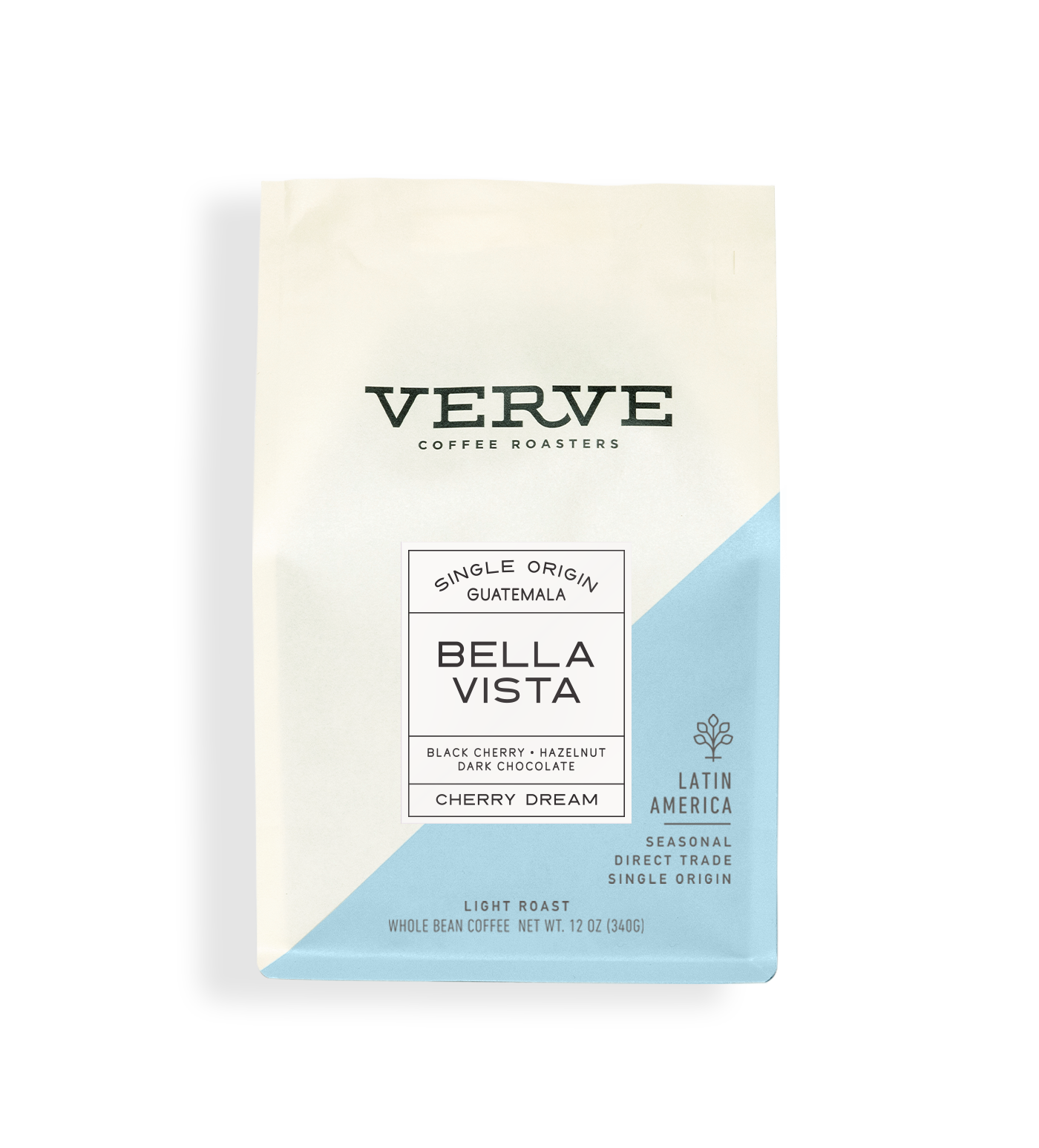
Farms & farmers tag
Various smallholding producers in Huehuetenango
1 page on this site carry this tag — reviews, profiles, answers and stories. Tags are derived from our documented data, never invented.
Nearby tagsArabicaBella Vista Mill (dry milling and export)black cherryBlendCaturra and Bourbondark chocolatehazelnutHuehuetenangoLightSpecialty
Quick answer — what is Various smallholding producers in Huehuetenango?
This tag identifies coffee lots produced by independent smallholders in the Huehuetenango region of Guatemala, who typically lack their own large-scale processing infrastructure. These producers often aggregate their harvests through established family-owned estates or cooperatives, ensuring traceability and quality control while maintaining the distinct, fruit-forward flavor profiles characteristic of this high-altitude, non-volcanic terroir.
The real story
The tag 'Various smallholding producers in Huehuetenango' represents the backbone of one of Guatemala’s most prestigious coffee-growing regions. Huehuetenango, located in the western highlands near the Mexican border, is defined by its extreme topography and unique climate. Unlike many other Guatemalan regions, it is non-volcanic, relying instead on limestone-rich soils and a microclimate created by hot air currents from the Plains of Tehuantepec meeting cool air from the Cuchumatanes Mountains. This environment allows for coffee cultivation at altitudes reaching 2,000 meters, resulting in the region's signature bright, fruit-driven acidity and complex sweetness.
In practice, this tag signifies a collaborative model of production. Because the region is exceptionally remote and rugged, many individual farmers—often managing small plots of one to five hectares—do not possess the industrial equipment required for large-scale wet milling. Instead, these smallholders harvest their coffee cherries and deliver them to established, reputable partners, such as the Vides58 family or local cooperatives. These partners provide the necessary infrastructure to process, dry, and export the coffee while keeping the lots traceable and separated by origin.
This system is vital for the economic viability of small-scale farmers in the region. By partnering with experienced exporters or mills, smallholders gain access to international markets that would otherwise be unreachable due to the logistical challenges of the Huehuetenango highlands. The Vides family, for instance, has been a cornerstone of this model since Jorge Vides, a physician and coffee pioneer, purchased Finca La Bolsa in 1958. Their involvement ensures that the meticulous work of smallholders is preserved through professional processing standards.
For the roaster and the drinker, this tag is a hallmark of quality and transparency. Coffees from this region are frequently recognized in high-level competitions, including the Cup of Excellence, which consistently features Huehuetenango lots. The cup profile is widely celebrated for its vivid notes of peach, tangerine, honey, and florals, supported by a syrupy body. When a bag carries this tag, it indicates that the coffee has been curated from these high-altitude valleys, benefiting from the collective expertise of both the smallholder and the processing partner.
Varieties commonly associated with these smallholder lots include Bourbon, Caturra, and Catuai, which thrive in the region's specific conditions. The processing method is almost exclusively 'fully washed,' a technique that highlights the inherent clarity and acidity of the beans. Because the region is so fragmented, the 'smallholder' designation is not a sign of lower quality, but rather a testament to the decentralized nature of the local industry, where quality is achieved through the careful management of thousands of tiny, high-altitude micro-lots.
Today, the story of these producers is one of resilience and adaptation. As the global coffee industry faces challenges like coffee leaf rust and climate change, these smallholders are increasingly working with organizations to renew their coffee lands and implement sustainable practices. The continued success of Huehuetenango coffee remains a vital economic engine for the region, supporting thousands of families and maintaining the reputation of Guatemala as a producer of some of the world's most distinct and sought-after specialty coffees.
Sources behind this explanation
- https://www.algrano.com/en/products/1515-guatemala-finca-la-union-carlos-rivas-huehuetenango-fw-arabica-fully-washed-dec-2020-mar-2021
- https://interamericancoffee.com/guatemala-aapicafi-fairtrade-organic
- https://interamericancoffee.com/guatemala-shb-ep-huehuetenango
- https://worldcoffeeresearch.org/es/countries/guatemala
- https://sucafina.com/na/offerings/qawale-huehuetenango-fw
- https://sucafina.com/na/offerings/san-antonio-huehuetenango-fw
- https://volcanacoffee.com/regions/huehuetenango
Coffee reviews & profiles
1 page