🇵🇪Peru
Peru
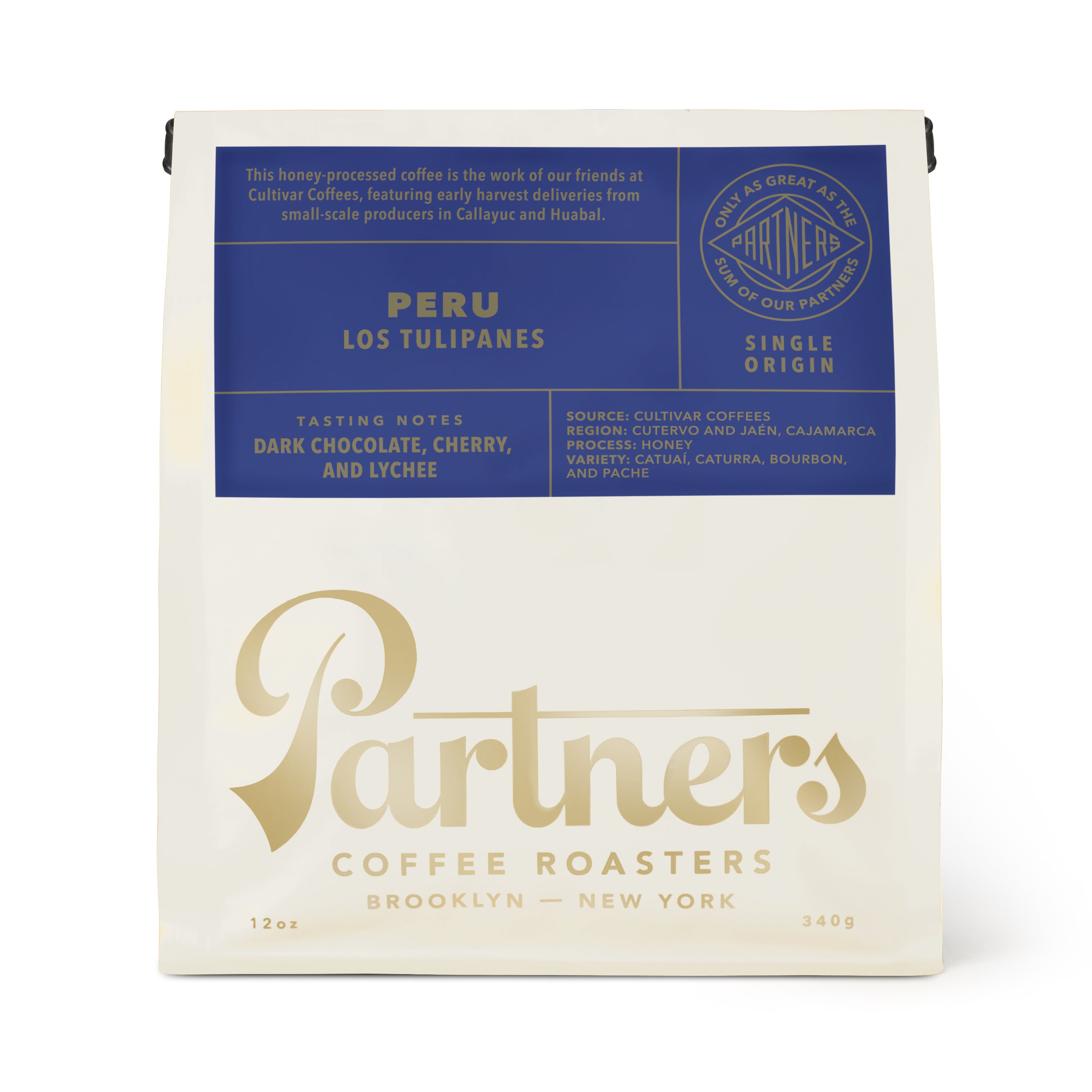
Peru - Los Tulipanes
Small-scale growers in Callayuc and Huabal; processed by Cultivar Coffees
Partners Coffee
Two-community blend; individual farm names are not published.
· Honey
Explore the profile →1 page on this site carry this tag — reviews, profiles, answers and stories. Tags are derived from our documented data, never invented.
Callayuc, Cutervo, and Huabal, Jaén are specific, high-altitude coffee-producing districts within the Cajamarca region of northern Peru. These areas are central to Peru's specialty coffee identity, known for producing high-quality, smallholder-grown Arabica that features complex profiles of stone fruit, citrus, and floral notes. They represent the shift from anonymous bulk production to traceable, terroir-driven micro-lots that have gained international recognition through platforms like the Cup of Excellence.
Cajamarca, located in the northern Andes of Peru, has emerged as the country's most internationally recognized specialty coffee region. While Peru has historically been a major producer of organic-certified Arabica, the northern departments of Cajamarca—specifically the provinces of Jaén and San Ignacio, along with districts like Callayuc in Cutervo—have become the epicenter of a shift toward high-quality, traceable micro-lots. This region benefits from a unique combination of high altitudes, ranging from 1,400 to over 2,100 meters above sea level, and a diverse microclimate that allows for slow cherry maturation and complex flavor development.
Coffee cultivation in these areas is almost exclusively the domain of smallholder farmers, many of whom manage farms of only a few hectares. In districts like Callayuc and Huabal, families often process their own coffee, utilizing traditional washed methods that have been refined to emphasize the inherent acidity and sweetness of the bean. The prevalence of traditional Arabica varieties, such as Typica, Bourbon, and Caturra, remains a hallmark of the region, providing a classic, balanced cup profile that is highly sought after by specialty roasters.
The infrastructure supporting these producers has evolved significantly. Organizations and cooperatives, such as CENFROCAFE in Jaén and APROCASSI in San Ignacio, have played a pivotal role in connecting these remote, mountainous farms to international markets. By providing technical assistance and marketing support, these groups have helped farmers move away from the 'washed mild' commodity model toward a specialty-focused approach that rewards quality with higher premiums.
Terroir in Cajamarca is defined by the eastern slopes of the Andes, where the rugged terrain creates distinct pockets of soil chemistry and sunlight exposure. In high-altitude zones like those found in Callayuc, the cool nights and warm days contribute to the characteristic cup profile: a bright, clean acidity often accompanied by notes of milk chocolate, panela, orange, and delicate floral top notes. This sensory complexity is a direct result of the region's biodiversity and the careful, labor-intensive practices of the smallholder families who steward the land.
The harvest calendar in northern Peru typically runs from April through September, a period when the entire family often participates in the picking and processing to ensure quality standards are met. Because many of these farms are located in remote, high-altitude areas, the logistics of moving coffee from the farm gate to the export gateway at Paita are significant. Despite these challenges, the commitment to organic practices remains high, with a large percentage of the region's production maintaining organic certification.
Today, the story of Cajamarca is one of transformation. Since the introduction of the Cup of Excellence in Peru in 2017, the region has consistently produced award-winning lots that challenge previous perceptions of Peruvian coffee as merely a bulk commodity. For the drinker, a coffee from Callayuc or Huabal offers a window into the specific, high-altitude Andean landscape, representing a successful model of small-scale, sustainable agriculture that prioritizes both environmental stewardship and the pursuit of excellence in the cup.