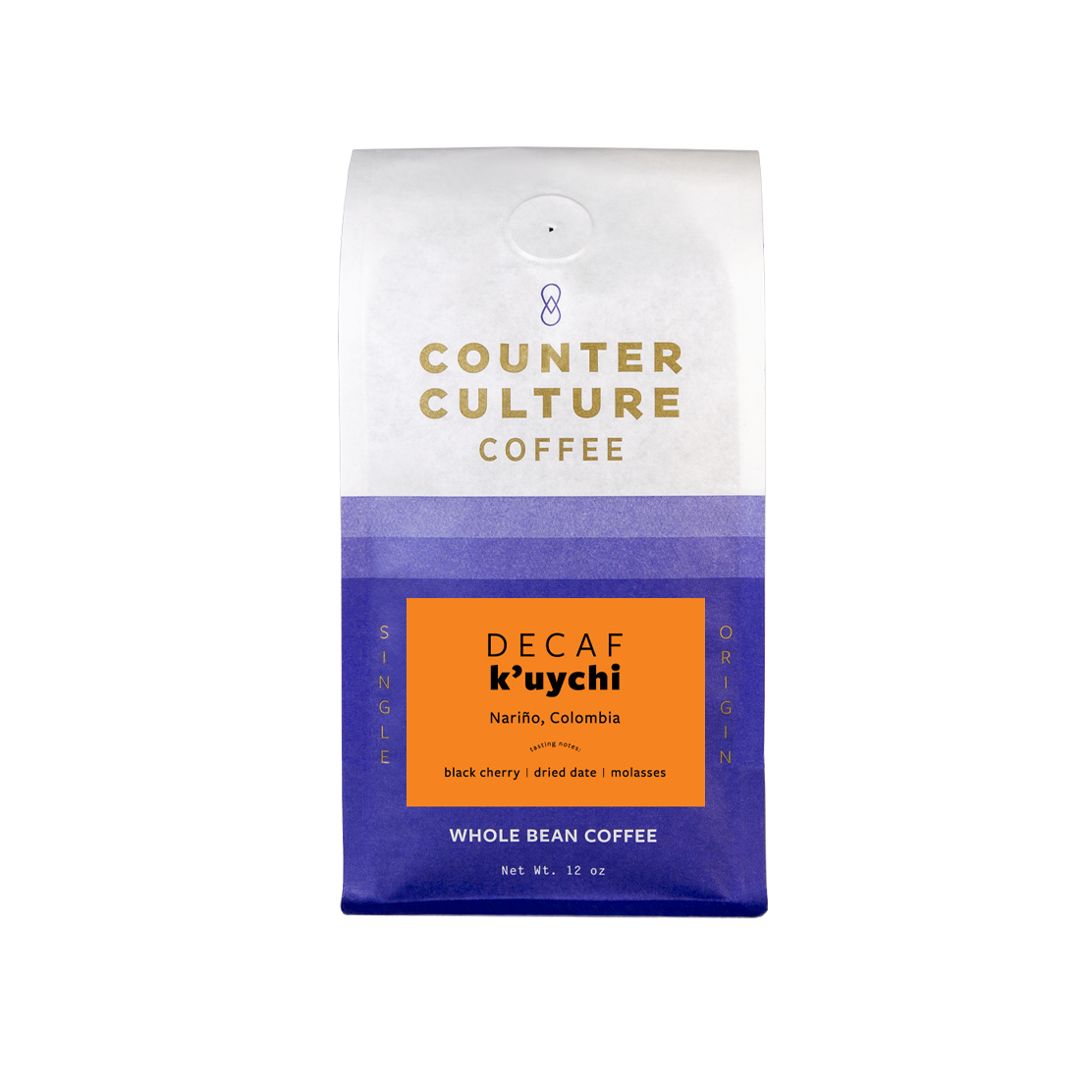
Tasting notes tag
dried date
1 page on this site carry this tag — reviews, profiles, answers and stories. Tags are derived from our documented data, never invented.
Nearby tagsArabicablack cherryCastillo and ColombiaK'uychi producersLightmolassesNariñoSingle originSpecialty
Quick answer — what is dried date?
The "dried date" descriptor is a specific sensory tag used to identify a concentrated, jammy sweetness and deep, dark-fruit character in coffee. It typically signals high-quality processing, often associated with natural or honey-processed coffees where sugars have concentrated during the drying phase.
The real story
The "dried date" flavor descriptor serves as a precise reference point within the Specialty Coffee Association (SCA) flavor lexicon, representing a nuanced intersection of fruit-forward acidity and deep, caramelized sweetness. Unlike fresh fruit notes, which often imply bright, volatile acids, the dried date note suggests a more stable, dense, and sugar-heavy profile. It is a hallmark of coffees that have undergone careful post-harvest processing, where the interaction between the coffee cherry's mucilage and the bean during drying allows for the development of complex, non-volatile compounds.
At the chemical level, the emergence of such notes is heavily influenced by the drying process. When coffee cherries are dried intact—as in natural or honey processing—the sugars and organic acids within the fruit pulp migrate into the bean. As the moisture content decreases, these precursors undergo enzymatic and non-enzymatic browning reactions. The resulting profile is less about the sharp, fleeting aromatics of fresh fruit and more about the rich, lingering sweetness associated with dried stone fruits and dates, which are characterized by high concentrations of fructose and glucose.
Roasting plays a critical role in translating these precursors into the final cup. During the Maillard reaction, amino acids and reducing sugars interact to form a vast array of compounds, including pyrazines and furans, which contribute to the body and depth of the coffee. If a roaster manages the heat application to preserve the delicate fruit-derived acids while allowing the sugars to caramelize, the "dried date" note becomes a prominent feature. If the roast is too dark, these subtle fruit notes are often masked by carbonization; if too light, the sugars may not have developed enough to provide the characteristic weight of a date.
Terroir and variety also dictate the potential for this flavor. High-altitude cultivation often results in slower cherry maturation, which allows for a higher accumulation of sugars and organic acids. Varieties known for their inherent sweetness and fruit complexity, such as certain Bourbon or Caturra cultivars, are more likely to exhibit these deep, dried-fruit characteristics when processed correctly. The "dried date" note is therefore not just a random occurrence but a reflection of the entire value chain, from the genetic potential of the plant to the specific environmental conditions of the farm.
For the taster, identifying "dried date" requires distinguishing between the bright, citric acidity of a washed coffee and the syrupy, dense sweetness of a well-processed natural. It is often perceived in the mid-palate and finish, providing a coating, viscous mouthfeel that lingers. It is a sophisticated note that suggests a balance between the coffee's inherent acidity and the sweetness developed during the drying phase, often serving as an indicator of high-quality, well-managed post-harvest practices.
Ultimately, the use of such specific descriptors helps bridge the gap between the science of coffee chemistry and the consumer experience. By utilizing the SCA Flavor Wheel as a canonical reference, tasters can move beyond generic terms like "fruity" to identify the specific character of the cup. The "dried date" tag is a testament to the complexity of coffee, proving that the final beverage is a sophisticated product of biology, geography, and human intervention.
Sources behind this explanation
- https://www.mdpi.com/2306-5710/6/3/44
- https://dabov.us/blog/the-language-of-coffee-how-to-describe-flavors-like-a-connoisseur
- https://link.springer.com/article/10.1007/s00217-025-04893-w
- https://sca.coffee/research-tabs/towards-a-definition-of-specialty-coffee-building-an-understanding-based-on-attributes
- https://beverlyblend.com/blogs/news/coffee-flavor-notes-explained-for-beginners
Coffee reviews & profiles
1 page