Farms & farmers tag
Kabeywa community farmers; Kawacom (processor/exporter)
1 page on this site carry this tag — reviews, profiles, answers and stories. Tags are derived from our documented data, never invented.
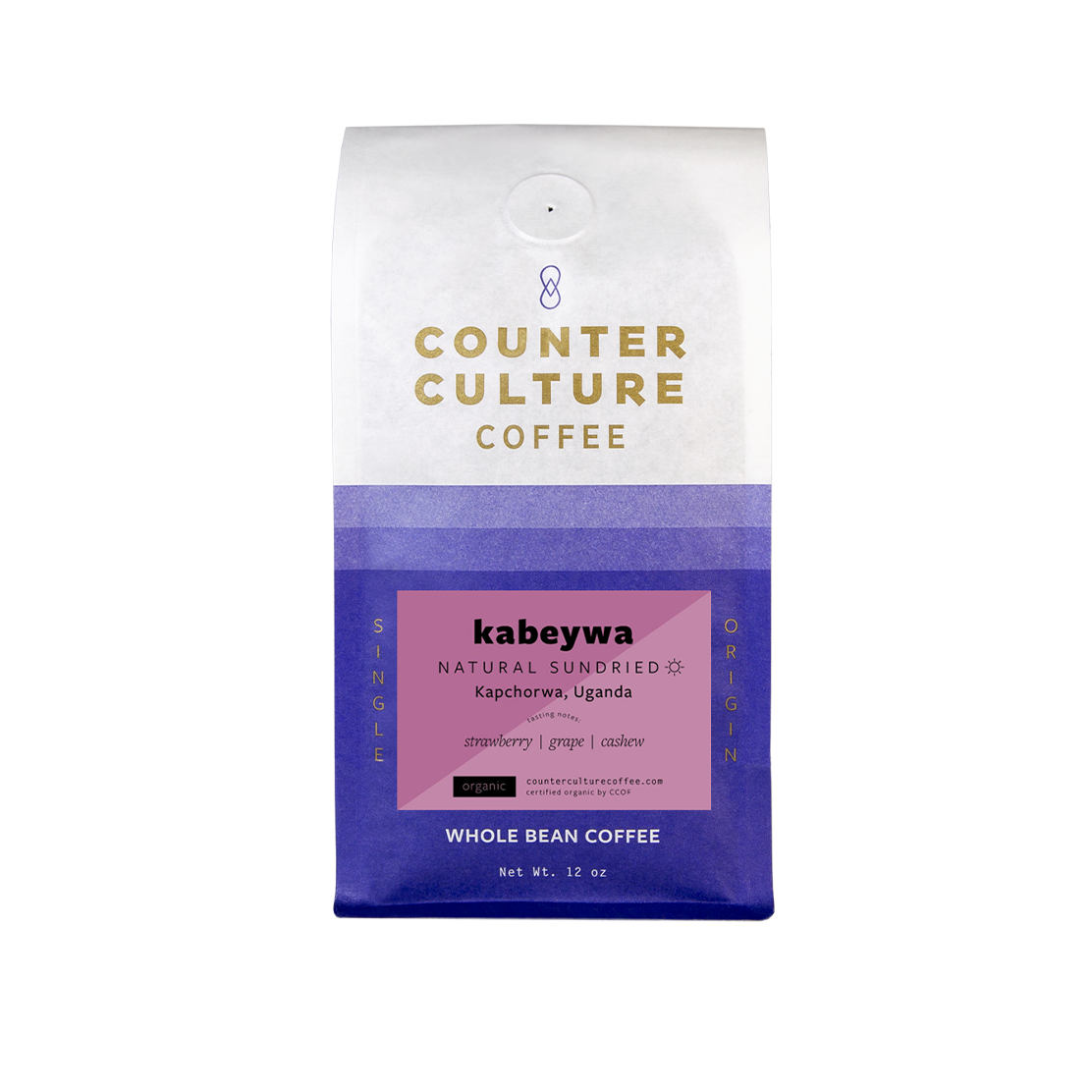
Nearby tagsArabicacashewgrapeKapchorwa, Mount ElgonKawacom washing stationLightSingle originSL14, SL28, Nyasaland (locally called Bugisu)Specialtystrawberry
Quick answer — what is Kabeywa community farmers; Kawacom (processor/exporter)?
The Kabeywa community farmers are a collective of smallholder coffee producers located in the Mount Elgon region of Uganda, primarily organized through Kawacom, a leading processor and exporter. This partnership is significant because it provides small-scale farmers with access to international specialty markets, technical agronomic support, and sustainable processing infrastructure. By centralizing quality control and post-harvest operations, this model elevates the cup quality of Ugandan Arabica while ensuring greater economic stability and traceability for the farmers involved in the Kabeywa community.
The real story
The Kabeywa community is situated on the slopes of Mount Elgon in eastern Uganda, a region characterized by its high altitude, volcanic soil, and favorable climate for Arabica coffee cultivation. This area has long been home to smallholder farmers who traditionally cultivated coffee as a primary cash crop but often faced challenges regarding market access, processing consistency, and infrastructure. The integration of these farmers into the supply chain managed by Kawacom—a subsidiary of the Neumann Kaffee Gruppe (NKG)—has transformed the local coffee landscape by bridging the gap between remote production and the global specialty market.
Kawacom serves as both a processor and an exporter, operating in Uganda with a focus on improving quality through sustainable practices and direct engagement with farmer groups. In the context of Kabeywa, Kawacom functions as the critical link that facilitates the aggregation of coffee cherries from numerous independent smallholders. By establishing collection centers and wet mills within or near the Kabeywa community, the company allows for standardized processing techniques that are often difficult for individual farmers to achieve on their own.
The agronomic practices in Kabeywa center primarily on traditional Arabica varieties, such as SL14 and SL28, which have historically thrived in the Mount Elgon ecosystem. These varieties are prized for their complex acidity and fruit-forward profiles. To maintain quality, the partnership emphasizes meticulous harvesting practices, where farmers are trained to pick only ripe, red cherries. This focus on primary production quality is the foundation upon which Kawacom’s processing protocols are built, ensuring that the terroir of the mountain is preserved through the post-harvest stages.
Processing in the Kabeywa network typically involves rigorous quality control measures, including the use of modern wet mills and controlled fermentation and drying processes. Kawacom has been instrumental in implementing sustainable farming certifications, such as UTZ (now part of Rainforest Alliance) and organic standards, which require farmers to adhere to specific environmental and social guidelines. These certifications not only improve the long-term health of the coffee farms but also allow the Kabeywa farmers to command premium prices for their yields, distinguishing their product from commodity-grade coffee.
For the roaster and the consumer, the Kabeywa tag represents a commitment to traceable, origin-specific Ugandan coffee. The value of this model lies in its ability to reconcile the fragmentation of smallholder production with the consistency requirements of the specialty coffee industry. By utilizing the Kawacom infrastructure, the Kabeywa farmers can maintain transparency throughout the supply chain, allowing roasters to provide clear documentation regarding the origin and social impact of the coffee they offer.
The significance of the Kabeywa and Kawacom collaboration extends beyond mere transactionality; it represents a broader movement toward professionalized smallholder coffee production in Uganda. As the global demand for high-quality African Arabica grows, the ability of groups like the Kabeywa farmers to adapt their processing methods and increase their yields while maintaining ecological stewardship becomes vital. Their story is one of integrating traditional mountain agriculture with modern export logistics, ultimately securing a more stable and quality-focused future for the coffee communities of Mount Elgon.
Coffee reviews & profiles
1 page