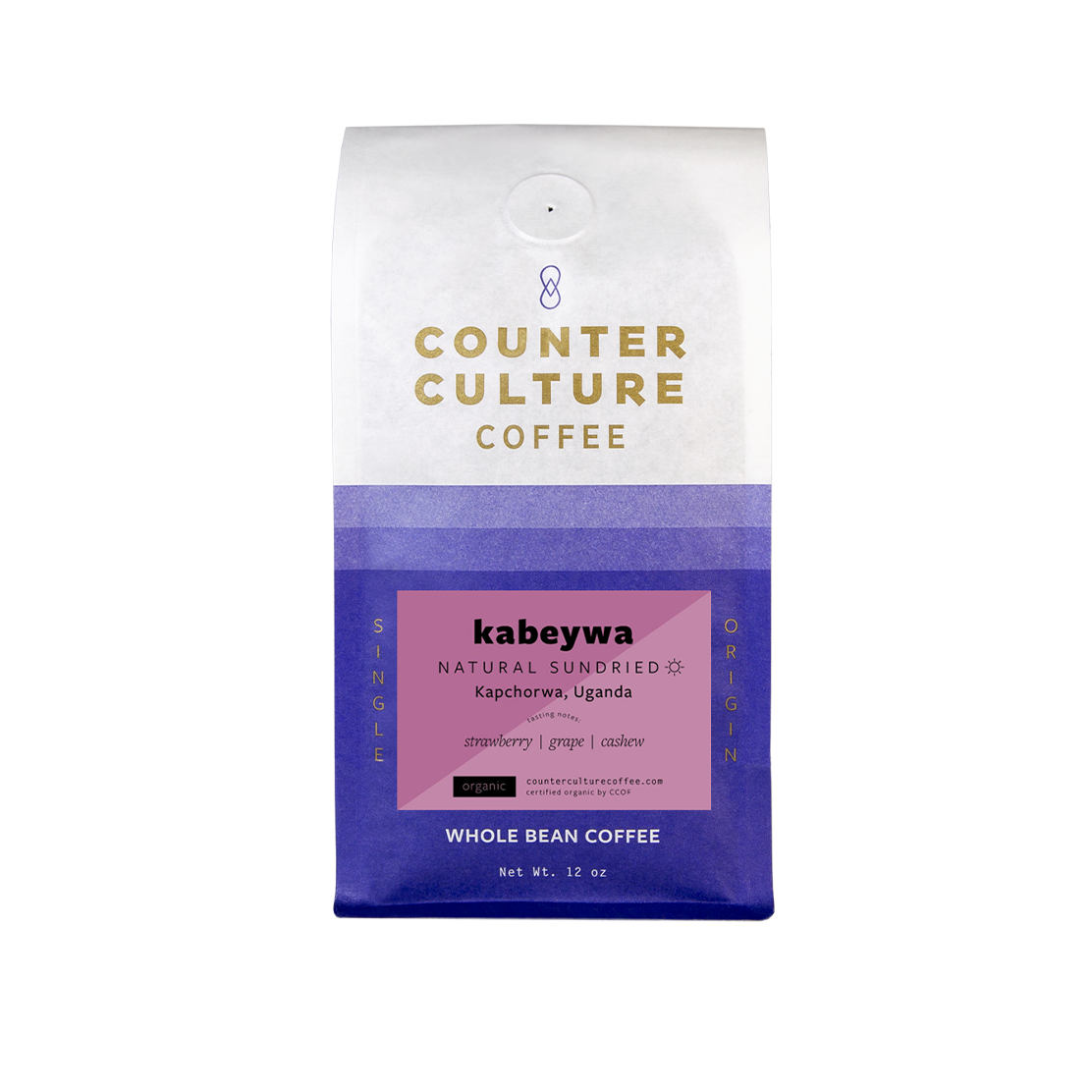
Origins tag
Kapchorwa, Mount Elgon
1 page on this site carry this tag — reviews, profiles, answers and stories. Tags are derived from our documented data, never invented.
Nearby tagsArabicacashewgrapeKabeywa community farmers; Kawacom (processor/exporter)Kawacom washing stationLightSingle originSL14, SL28, Nyasaland (locally called Bugisu)Specialtystrawberry
Quick answer — what is Kapchorwa, Mount Elgon?
Kapchorwa is a high-altitude coffee-producing district located on the slopes of Mount Elgon in Eastern Uganda. It is renowned for producing some of the country's finest specialty Arabica, characterized by bright acidity, complex fruit notes, and a silky body, largely driven by its fertile volcanic soil and proximity to the Kenyan border.
The real story
Kapchorwa, situated on the western slopes of the extinct shield volcano Mount Elgon, represents the pinnacle of Uganda’s specialty Arabica production. The region shares a border with Kenya, and its geographical proximity to the Kenyan coffee industry has historically influenced its agricultural practices and variety selection. As part of the broader Bugisu region, Kapchorwa is defined by its high-altitude terrain, typically ranging from 1,600 to 2,200 meters above sea level, which provides the cool, misty climate necessary for high-quality Arabica development.
The coffee sector in Kapchorwa is overwhelmingly dominated by smallholder farmers, who typically cultivate plots between 0.5 and 2.5 hectares. These farmers are often organized into cooperatives or participate in centralized schemes, such as those managed by Kyagalanyi Coffee Ltd, which operates a significant washing station in the district. This infrastructure is vital, as it provides farmers with access to agricultural extension services, training in sustainable farm management, and the ability to process cherries to international specialty standards.
Terroir is the defining factor of Kapchorwa’s output. The region features deep, fertile volcanic loam soils rich in organic matter, which, combined with consistent rainfall and natural shade, create an ideal environment for coffee trees. The varieties most commonly found in the area are SL14 and SL28, both of which were originally developed in Kenya and are prized for their cup quality. Other varieties, including Nyasaland, Bourbon, and Kent, are also present, contributing to the genetic diversity of the region's harvests.
The harvest calendar in Kapchorwa generally spans from August to March, with the main crop typically peaking between October and January. Because the region is prone to high humidity and intense sun, precise processing is essential. While traditional home-processed parchment remains common among smallholders, the expansion of centralized washing stations has allowed for more consistent fully washed lots, which are noted for their clean, sweet, and fruity profiles.
In the cup, Kapchorwa coffee is frequently compared to its Kenyan neighbors due to the shared varieties and volcanic terroir. Drinkers can expect a sophisticated profile often featuring bright, wine-like acidity, notes of dark berries, stone fruit, and floral aromatics, supported by a silky, full body. These characteristics have made Kapchorwa a cornerstone of Uganda’s reputation as a rising powerhouse in the African specialty coffee market.
Beyond the cup, the region faces the ongoing challenge of aging coffee trees and the need for climate-resilient agricultural practices. Investment in the area has focused on stumping, pruning, and intercropping to improve yields and protect the environment, particularly given the district's proximity to the Mount Elgon National Park. These efforts are critical for the economic empowerment of the local Bugisu people, for whom coffee has served as a primary engine of development for generations.
Today, Kapchorwa stands as a model for how infrastructure investment can elevate smallholder production. By bridging the gap between traditional farming knowledge and modern processing techniques, the region continues to produce high-scoring lots that challenge the historical perception of Uganda as solely a Robusta-producing nation. For roasters and consumers, Kapchorwa represents a distinct, high-quality origin that bridges the gap between classic East African profiles and the unique, volcanic character of the Ugandan highlands.
Sources behind this explanation
- https://blog.genuineorigin.com/2026/06/uganda-coffee-report-unlocking-coffee-excellence
- https://tadah.se/en/kaffe/glasriket
- https://originroasting.co.za/blogs/news/uganda-kapchorwa
- https://www.genuineorigin.com/uganda-mt-elgon-kapchorwa-a-washed-2026
- https://ugandacoffeeexporter.com/regions
- https://peninsulacoffeeau.com/products/uganda-bugimotwa-washed
- https://www.genuineorigin.com/site/images/factsheets/factsheet-GEN20UGB.pdf
- https://royalcoffee.com/product/3427097000050133077
- https://virgincoffee.org/2025/12/14/why-altitude-matters-understanding-coffee-terroir-from-mount-elgon-to-your-cup
Coffee reviews & profiles
1 page