Farms & farmers tag
Kawacom washing station
1 page on this site carry this tag — reviews, profiles, answers and stories. Tags are derived from our documented data, never invented.
Nearby tagsArabicacashewgrapeKabeywa community farmers; Kawacom (processor/exporter)Kapchorwa, Mount ElgonLightSingle originSL14, SL28, Nyasaland (locally called Bugisu)Specialtystrawberry
Quick answer — what is Kawacom washing station?
The Kawacom washing station is a central processing facility in Uganda’s Mount Elgon region, operated by Kawacom (U) Ltd, a subsidiary of the Ecom Agroindustrial Corporation. It serves as a critical hub for smallholder farmers, providing the infrastructure necessary to transition from traditional, low-quality processing to high-standard washed and honey-processed specialty coffee.
The real story
The Kawacom washing station is a pivotal piece of infrastructure located in the foothills of Mount Elgon, near Uganda’s eastern border with Kenya. It functions as the primary collection and processing point for approximately 2,000 smallholder farmers in the region. These farmers typically manage very small plots, often averaging around 0.2 hectares, where coffee is grown alongside other crops for personal consumption and supplemental income. By centralizing the processing of cherries, the station allows these small-scale producers to access international specialty markets that would otherwise be unreachable.
Kawacom (U) Ltd is a major player in the Ugandan coffee sector and operates as a subsidiary of the global commodity firm Ecom Agroindustrial Corporation. As one of the country's leading exporters, the company plays a significant role in the national coffee economy, consistently ranking among the top exporters by volume in reports published by the Uganda Coffee Development Authority. Their presence in the Mount Elgon region is defined by a commitment to improving post-harvest handling, which has historically been a bottleneck for quality in the area.
Before the establishment of such central washing stations, farmers in the Mount Elgon region often relied on rudimentary, on-farm peeling machines to process their fresh cherries. This decentralized approach frequently resulted in inconsistent quality and defects. Kawacom’s intervention involved investing in high-quality processing equipment and actively persuading farmers to deliver their fresh cherries to the central station. This shift ensures that cherries are pulped, washed, and dried under controlled conditions, significantly reducing the risk of fermentation or mildew.
Beyond standard washed processing, the station has expanded its capabilities to include micro-lot honey processing. This method involves removing unqualified floating beans before the remaining cherries are sun-dried for approximately three weeks. During this period, the fruit is turned frequently to ensure even drying and to preserve the clean, rich flavor profiles that have earned the region comparisons to high-quality Kenyan coffee. This technical evolution has been instrumental in elevating the reputation of Ugandan Arabica on the global stage.
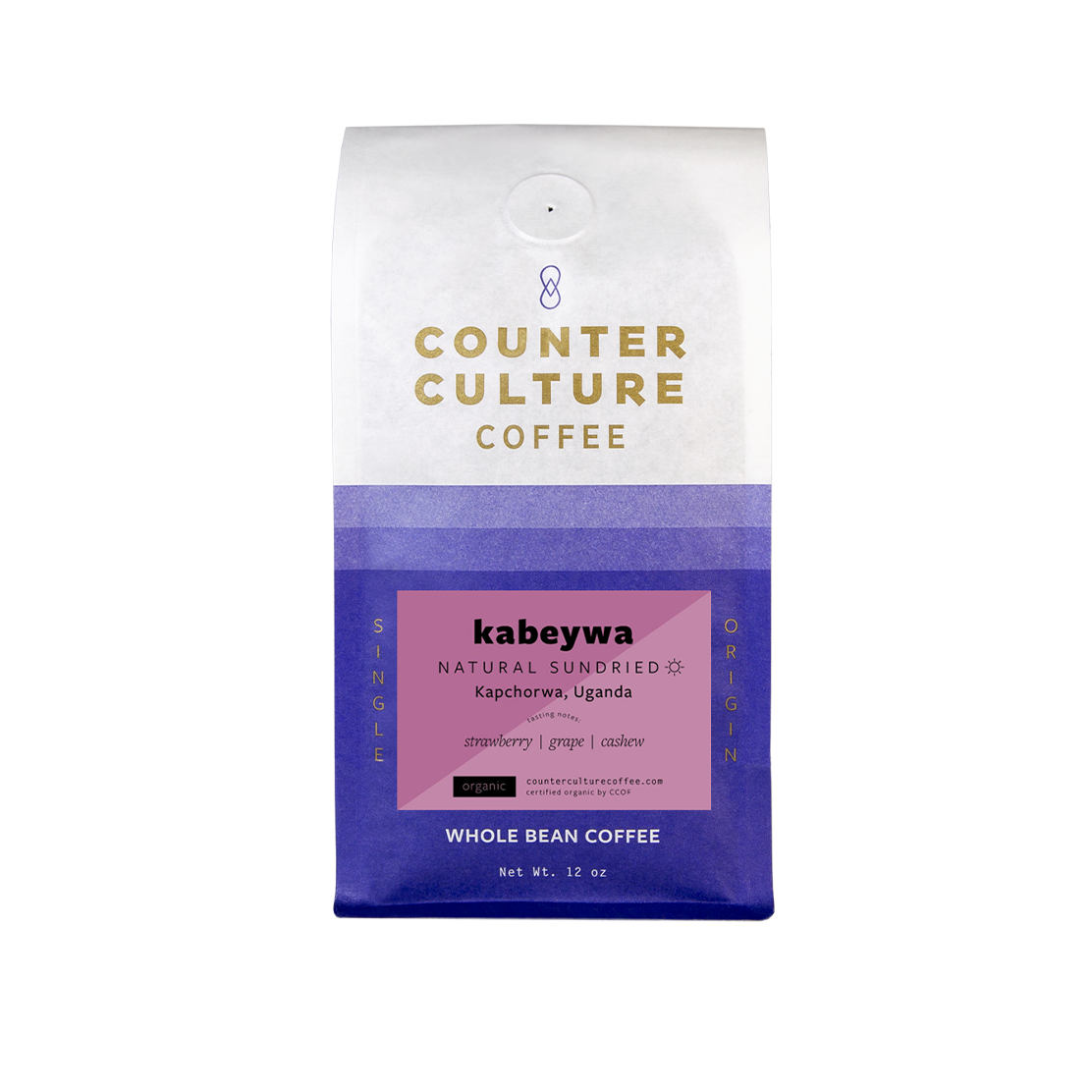
The impact of this facility is best illustrated by the success of the farmers it supports. For instance, the Kawa Cooperative, associated with the Kawacom/Kabeywa operations, achieved recognition by winning the 2017 Harvest Season Flavor Competition in Uganda. Such accolades serve as a testament to the effectiveness of the central processing model in unlocking the intrinsic quality of the Mount Elgon terroir. For the roaster, this means access to traceable, high-quality lots; for the farmer, it provides a direct payment system upon delivery of fresh cherries, creating a more stable and transparent income stream.
Today, the Kawacom washing station stands as a model for how large-scale exporters can integrate smallholder farmers into the specialty coffee value chain. By providing the necessary technical knowledge, equipment, and market access, the station helps bridge the gap between subsistence farming and global excellence. As the Ugandan coffee industry continues to focus on sustainability and climate-smart production, the role of such centralized infrastructure remains essential for maintaining the quality and competitiveness of the country's coffee exports.
Sources behind this explanation
- https://ugandacoffee.go.ug/sites/default/files/2026-05/07-April%202026%20Report%20pptx(1)%20(1).pdf
- https://new.ugandacoffee.go.ug/sites/default/files/2022-03/November%202021.pdf
- https://ugandacoffee.go.ug/sites/default/files/2026-06/08%20May%202026%20Report%20pptx(1)(1).pptx_ii.pdf
- https://world.gafei.com/coffee125485.html
- https://www.cbi.eu/sites/default/files/pdf/research/2371.pdf
- https://lifeboostcoffeeco.shop/products/lifeboost-africa
Coffee reviews & profiles
1 page