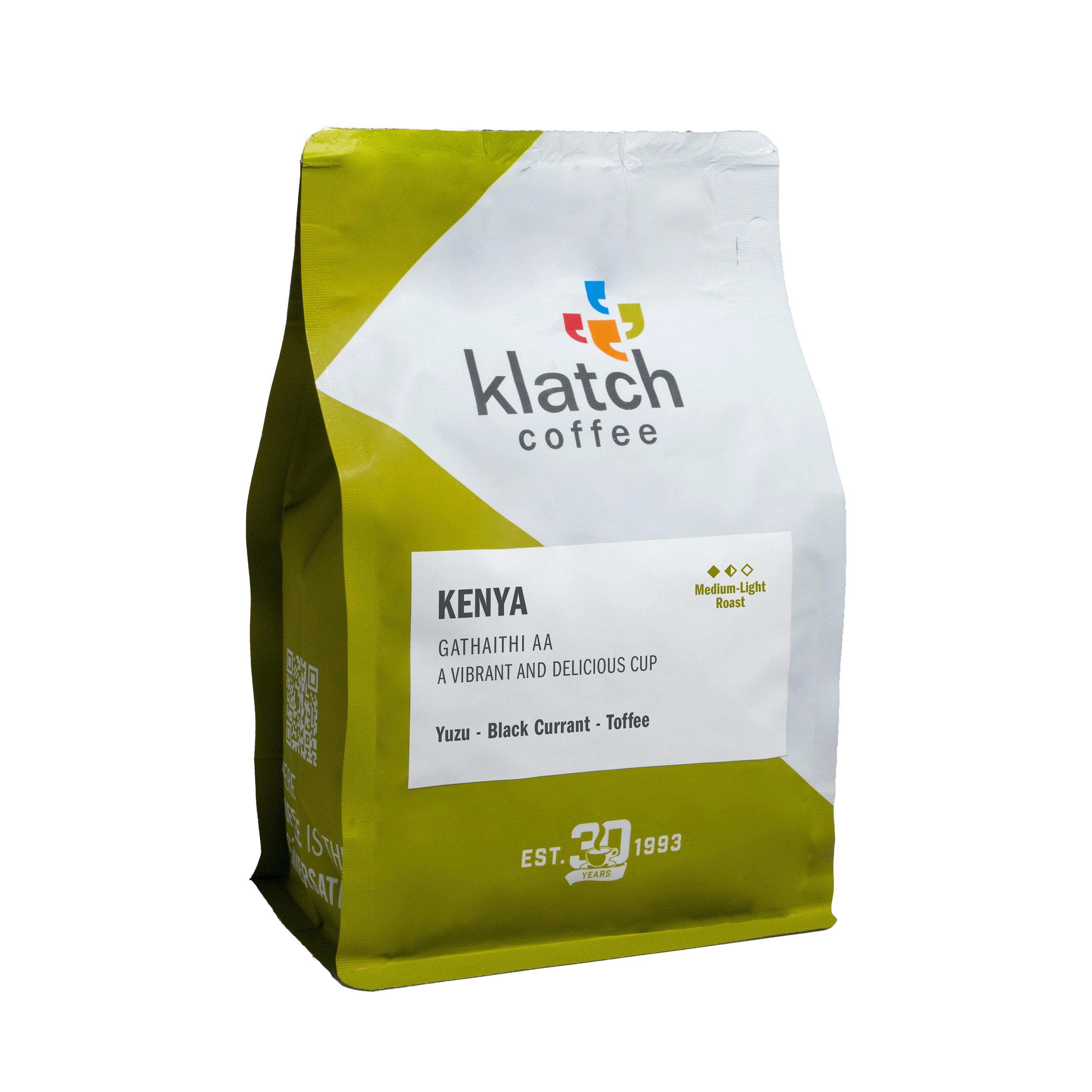
Varieties tag
Ruiru 11, SL28, SL34 and Batian
1 page on this site carry this tag — reviews, profiles, answers and stories. Tags are derived from our documented data, never invented.
Nearby tagsapricotArabicablack currantGathaithi Coffee FactorygrapefruitMedium-LightpeachplumraspberrySingle originSpecialtyTetu, Nyeri Countytoffeeyuzu
Quick answer — what is Ruiru 11, SL28, SL34 and Batian?
SL28 and SL34 are legendary Kenyan cultivars prized for their exceptional cup quality, while Ruiru 11 and Batian are modern, disease-resistant hybrids developed to protect the industry from devastating pathogens. Together, these varieties represent the tension between the pursuit of world-class flavor and the practical necessity of agricultural resilience in the face of climate and disease pressures.
The real story
The story of Kenyan coffee is defined by the pursuit of two competing goals: the unmatched sensory complexity of the 'SL' selections and the urgent need for disease resistance. In the 1930s, Scott Agricultural Laboratories (SL) selected SL28 and SL34 from single trees in Kenya. SL28, belonging to the Bourbon genetic group, became famous for its drought resistance and intense, complex acidity. SL34, which possesses a Typica-like genetic background, is equally celebrated for its cup quality. These two varieties remain the gold standard for Kenyan coffee, though they are notoriously susceptible to Coffee Berry Disease (CBD) and Coffee Leaf Rust (CLR).
The vulnerability of these traditional varieties was laid bare in 1968, when a CBD epidemic decimated 50% of Kenya’s coffee production. This crisis forced the government to prioritize agricultural research, leading to the establishment of an intensive breeding program at the Coffee Research Station in Ruiru. The primary objective was to create a variety that could withstand the twin threats of CBD and CLR without sacrificing the flavor profile that had made Kenyan coffee a global benchmark.
Released in 1985, Ruiru 11 was the first major result of this effort. It is a complex, composite hybrid that incorporates genetic material from a wide array of sources, including SL28, SL34, K7, N39, and Rume Sudan, alongside Catimor, which provides its disease resistance. Ruiru 11 is a compact, high-yielding plant designed for efficiency. While it successfully addressed the immediate threat of disease, some in the specialty industry have historically found its cup quality less distinguished than the original SL selections.
In 2010, the Coffee Research Institute released Batian to bridge the gap between the resilience of Ruiru 11 and the superior flavor of the SL varieties. Named after the highest peak of Mount Kenya, Batian is a composite variety derived from the fifth filial generation of Ruiru 11 progeny. It incorporates the same high-quality lineage—SL28, SL34, Rume Sudan, N39, and K7—but is backcrossed to favor the flavor-forward characteristics of the SL types while maintaining the robust disease resistance inherited from the Timor Hybrid.
In the field, these varieties offer different management strategies. SL28 and SL34 require significant canopy space and are labor-intensive due to their disease susceptibility. In contrast, Ruiru 11 and Batian are bred for higher density and resilience, making them more attractive to farmers facing increasing climate volatility and pathogen pressure. As of 2019, hundreds of thousands of Kenyan families had replanted their farms with these newer, more resilient cultivars to ensure the long-term viability of their livelihoods.
Despite the clear advantages of the newer hybrids, the market remains heavily influenced by the prestige of the traditional varieties. Many producers continue to prioritize SL28 and SL34 because of their established reputation for high-scoring, premium-priced coffee. Consequently, the Kenyan landscape is a mosaic of old and new: the classic, fragile, but exquisite SL trees standing alongside the modern, hardy, and increasingly refined hybrids like Batian.
Ultimately, the evolution of these varieties reflects the broader challenges of specialty coffee. The industry is currently engaged in an ongoing debate regarding whether these newer hybrids can fully replicate the iconic, bright, and wine-like acidity of the SL selections. As research continues, the goal remains to refine these composite varieties, ensuring that the future of Kenyan coffee is both economically sustainable for the farmer and sensorially rewarding for the consumer.
Sources behind this explanation
- https://worldcoffeeresearch.org/news/2018/varieties-catalog-goes-global
- https://seyhq.shop/products/kiunyu-ab
- https://xliiicoffee.com/en/journal/ruiru-11-coffee-variety
- https://world.gafei.com/coffee149544.html
- https://greencoffeecollective.com/pages/glossary/batian
- https://ozonecoffee.co.uk/blogs/varietals/coffee-varietal-batian
- https://www.seycoffee.com/products/kiratina-aa
- https://worldcoffeeresearch.org/countries/kenya
- https://www.solaicoffee.com/blog/solai-blog-2/coffee-varieties-explained-bourbon-typica-gesha-sl28-how-genetics-shape-flavor-153
- https://varieties.worldcoffeeresearch.org/varieties/batian
Coffee reviews & profiles
1 page